Erin Cooper began bleeding at 26 weeks and suffered repeated haemorrhages before an emergency C-section at 34 weeks. She required 13 blood transfusions, underwent a hysterectomy and was later diagnosed with Placenta Accreta Spectrum (PAS). Campaigners including Action for Accreta say PAS is often undiagnosed before delivery and call for better screening, specialist training and a national registry. NHS safety investigators and NHS England are reviewing evidence and service specifications.
Mother Says Catastrophic Birth Haemorrhage Ended Her Nursing Career — Campaigners Call For Better PAS Detection
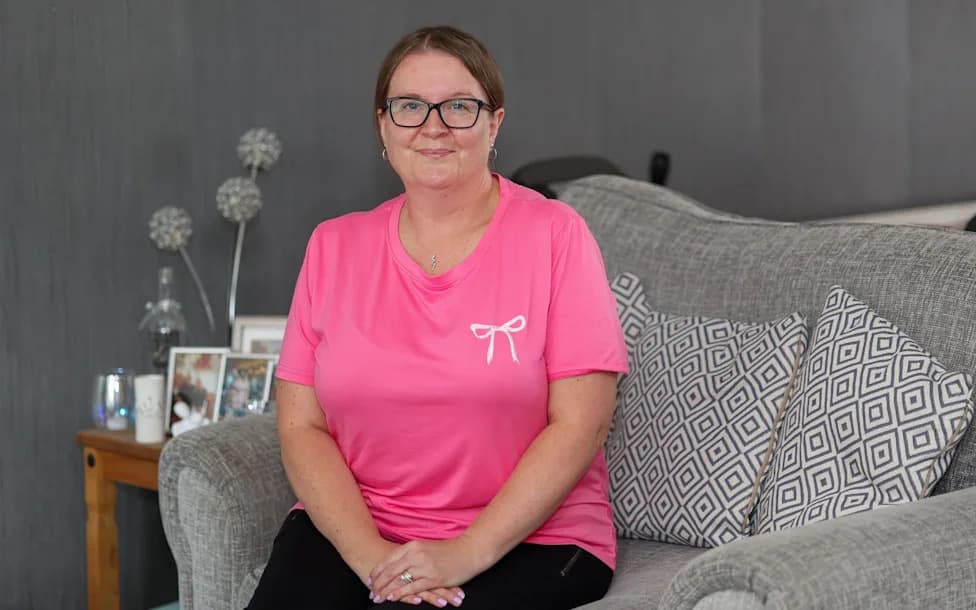
Erin Cooper has had to give up her job as a nurse due to the trauma of losing so much blood and having an emergency hysterectomy while giving birth [Martin Giles/BBC]
Two years ago, while 26 weeks pregnant and packing for a holiday, intensive care nurse Erin Cooper began bleeding heavily. 'I was terrified. In the back of my mind, I thought my baby was dead,' she recalls. An ambulance technician held her hand en route to hospital as she begged, 'Please don't let me die, I've got two older children that I need to be home for.'
Although doctors controlled the immediate bleeding, they did not determine its cause. Erin suffered further haemorrhages and at 34 weeks a massive bleed ruptured her membranes, leading to an emergency caesarean under general anaesthetic. Her son Milo was delivered safely, but Erin required 13 blood transfusions and later learned she had undergone a hysterectomy.
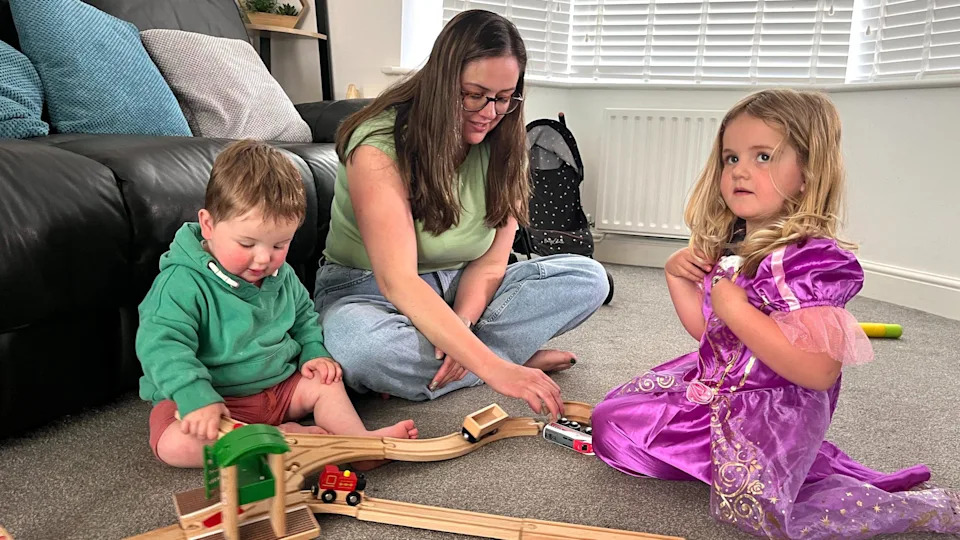
Erin says she is so grateful to have three healthy children but thinks every day about the fact that she is now infertile [Martin Giles/BBC]
'When I woke up, I had a piece of paper in my hands. I couldn't talk. And I wrote the word 'hysterectomy'. And they said, 'Yes, we had to do hysterectomy'. I knew at that point, things had gone really wrong.'
Doctors subsequently diagnosed Erin with Placenta Accreta Spectrum (PAS), a condition in which the placenta implants abnormally deep into the uterine wall. Attempts to detach such a placenta after birth can trigger rapid, life-threatening haemorrhage.
Rising Concern And Campaigning
PAS was long considered rare, but clinicians and campaigners say cases are increasing — possibly in line with rising caesarean-section rates. There is no single national PAS registry in the UK; NHS estimates of incidence vary from about one in 300 to one in 2,000 pregnancies.

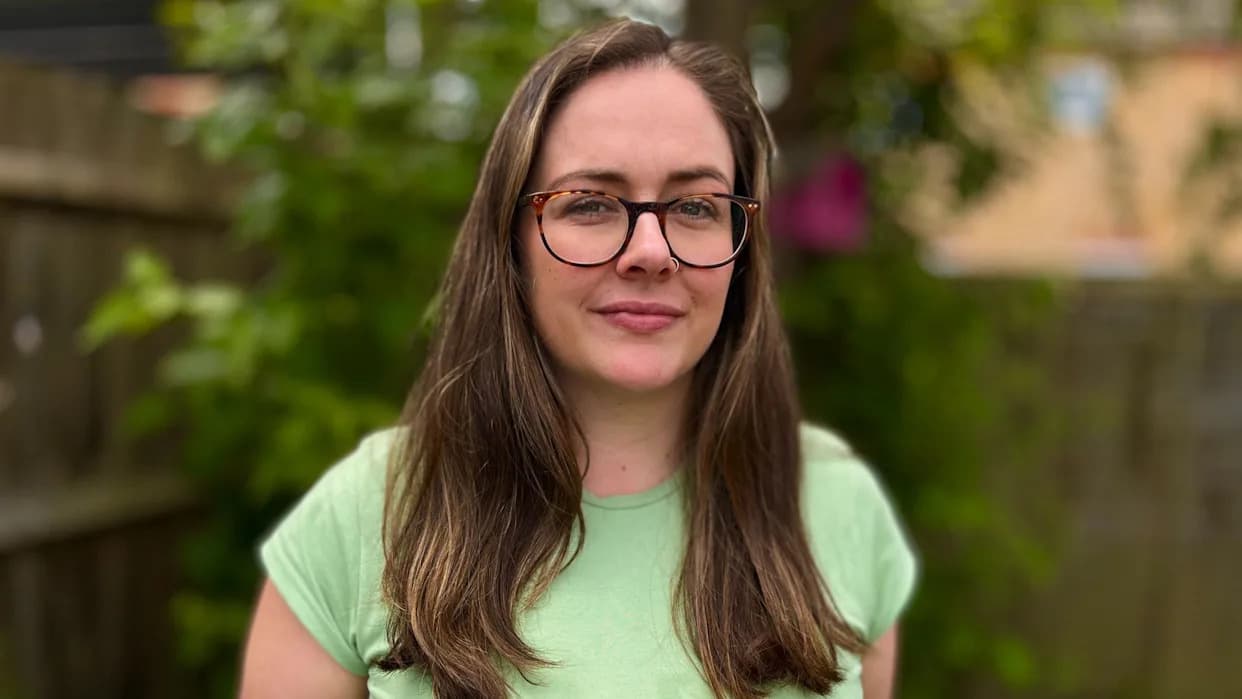
Amisha Adhia started a campaign group after suffering from PAS during her pregnancy [BBC/Martin Giles]
More than 100 mothers have joined the campaign group Action for Accreta to highlight what they describe as a 'dangerous gap in maternity care': limited specialist training, inconsistent screening and no mandatory reporting of PAS cases. Action for Accreta reports that 61% of PAS cases are undiagnosed before delivery, 64% of affected mothers require major emergency surgery, and 30% undergo emergency hysterectomy.
Human Cost
Some women have suffered permanent bladder or bowel damage. One mother reported her baby had a neonatal stroke and later developed cerebral palsy following complications linked to PAS. Charlotte Dron, who lost three litres of blood during an emergency caesarean for her second child in 2018, described the scene as chaotic: a nurse fainted and midwives were shouting. She required counselling and was warned by clinicians that further pregnancy would carry a high risk to her life.
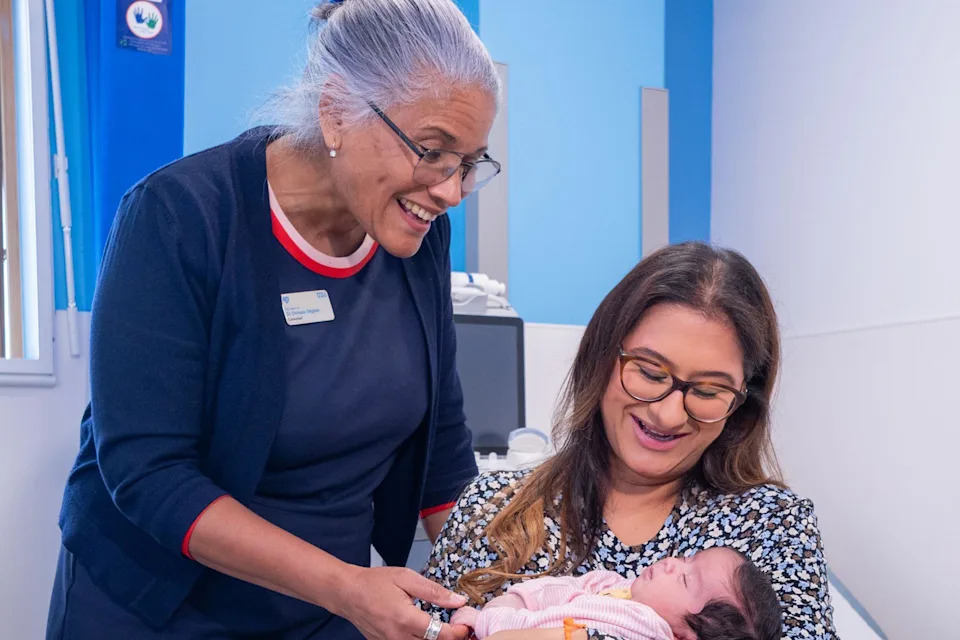
Amisha credits Dr Chineze Otigbah (left) with saving her life and that of her baby daughter after spotting the signs of PAS [Amisha Adhia]
Erin says she loved working in intensive care and operating theatres, but the trauma of blood loss and the hysterectomy has left her with PTSD and unable to continue in patient-facing roles. 'I panic when I hear sirens,' she says. 'I can't drive past the hospital without feeling like I'm about to have a panic attack.' She adds that earlier diagnosis during pregnancy could have reduced risk.
Clinical Response
Consultant obstetrician Dr Chineze Otigbah, who has studied PAS for two decades, warns services may be unprepared for the condition's growing frequency. The Health Services Safety Investigations Body (HSSIB) is reviewing evidence to determine whether a national safety investigation is needed. NHS England says it is reviewing the specification for specialised commissioned services to improve data collection and access.
Campaigners welcome commitments to change guidelines from professional bodies, but they say faster action is needed on screening, specialist training and creating a national dataset so that women at risk can be identified and referred to specialist centres.
Information about support with infertility and related issues is available via the BBC Action Line.
Help us improve.