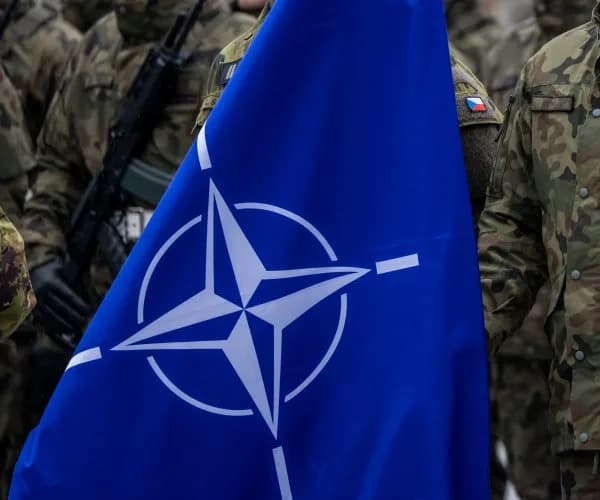
Nordic and Baltic investigations and satellite imagery indicate Russia is building new military infrastructure near its borders with Finland and Norway that could support tens of thousands of troops. Finland and NATO officials say the works—including an expanded base at Novaya Vilga—could enable deployments in the tens of thousands, with aggregated estimates up to 115,000 across the region. In response, NATO activated Forward Land Forces Finland and prepositioned a Swedish battlegroup; the U.S. is pursuing a "Nordic Bridge" concept to improve Arctic integration with NATO and NORAD. Officials judge near-term conflict risk as low but warn the infrastructure raises long-term strategic concerns.
Russia Builds New Arctic Military Infrastructure Near Finland as NATO Bolsters Northern Defenses
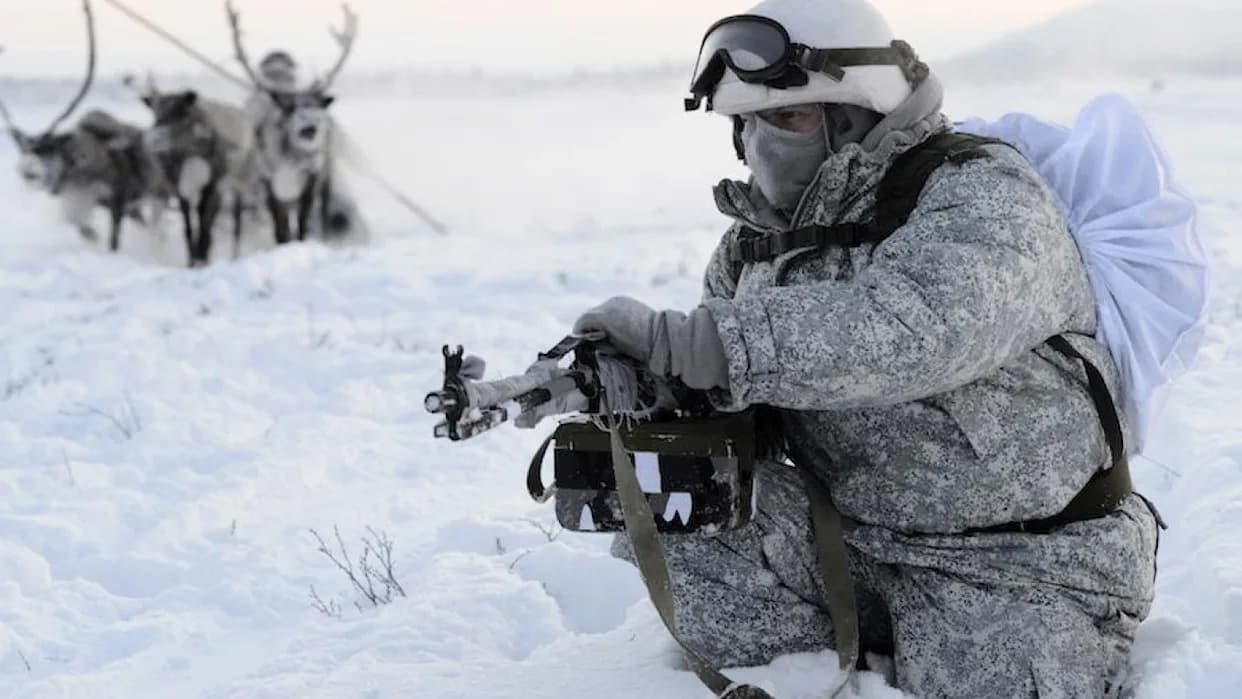
NATO and Russia are building up a presence in the high north.
Russia and NATO are intensifying military activity and infrastructure investments across the Arctic and Northern Europe, underscoring the region's rising strategic importance. Recent joint investigations by Nordic and Baltic media, together with satellite imagery and official statements, show new Russian facilities near the Finnish border and elsewhere that analysts say could support large-scale troop deployments in the future.
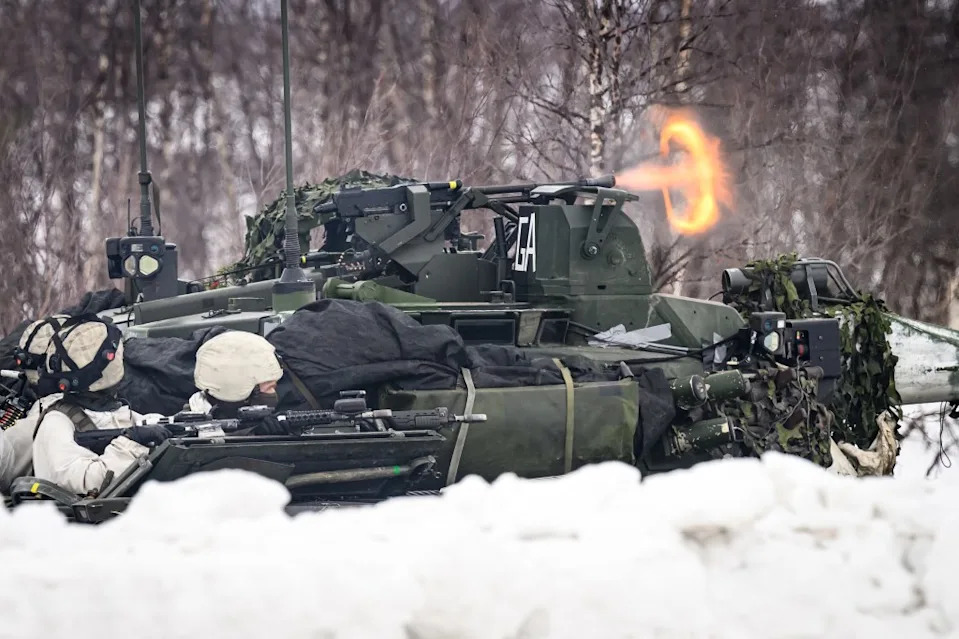
Swedish soldiers take part in training on the Finland/Norway border during the Nordic Response military exercise on March 09, 2024 in Kivilompolo, Finland. (Photo by Leon Neal/Getty Images) LEON NEAL
What The Investigations Found
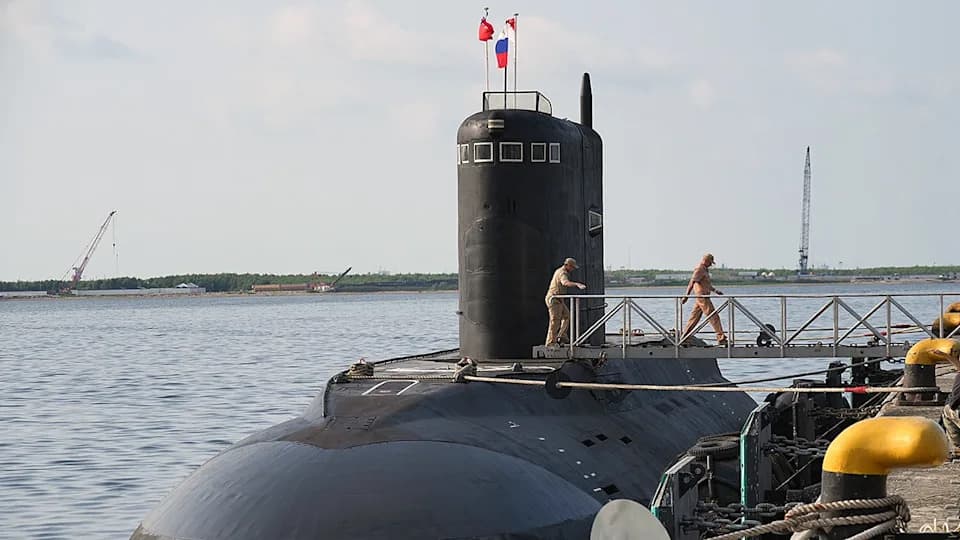
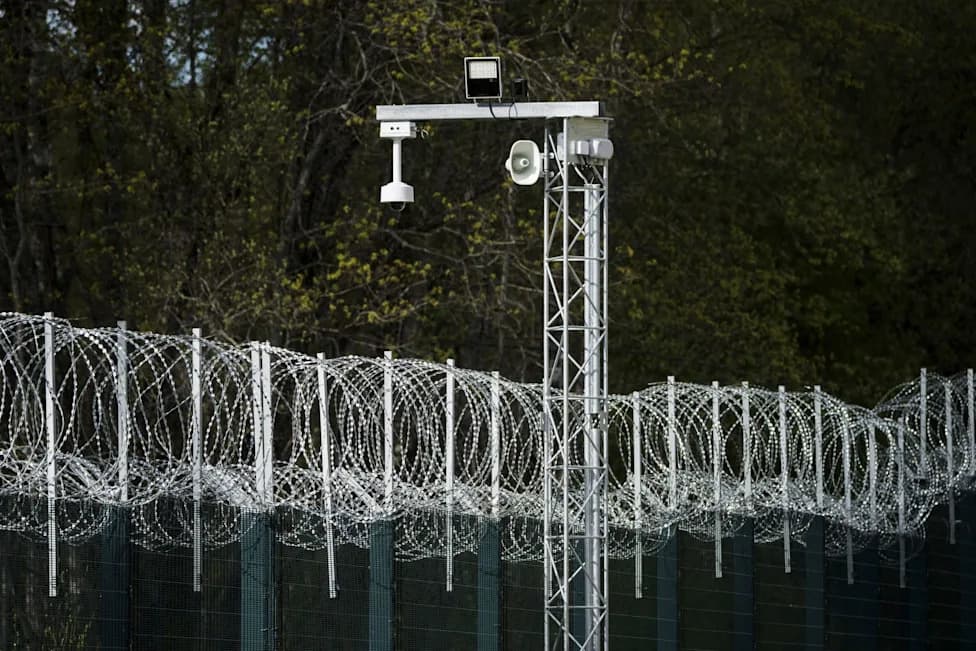
Multiple media outlets analysed satellite imagery and local reporting and concluded that Russia is expanding barracks, vehicle staging areas and ammunition storage sites along its borders with Finland and Norway. The joint investigation reported that these developments could enable the deployment of tens of thousands of troops in Northern Europe and the Baltic region.
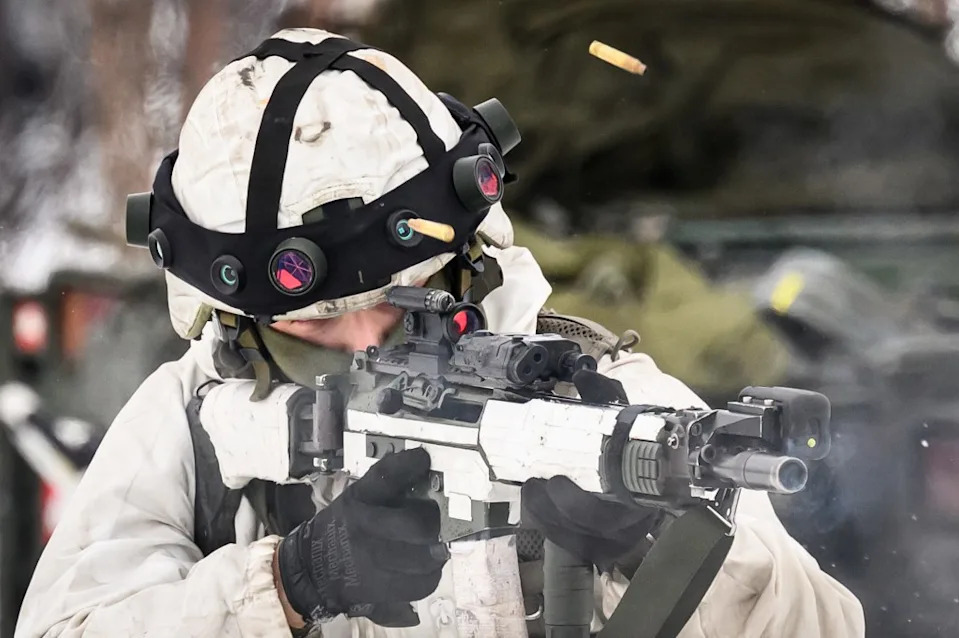
A Swedish soldier takes part in a training exercise during the Nordic Response military exercise on March 09, 2024, in Kivilompolo, Finland. LEON NEAL
“New satellite images show that Russia is increasing its armament in [the] vicinity,” the joint report stated. Investigators examined preparations for as many as 80,000 soldiers, while some aggregated estimates put potential deployment capacity across the broader region at up to 115,000 personnel.
Finnish reporting identified an expansion at a base in Novaya Vilga, about 100 miles east of the Finnish border, that Finnish analysts say could accommodate up to 6,000 troops. Finnish Army Chief Pasi Välimäki told investigators the forces Russia could mass near the border might rise to about 80,000, compared with roughly 20,000 previously.
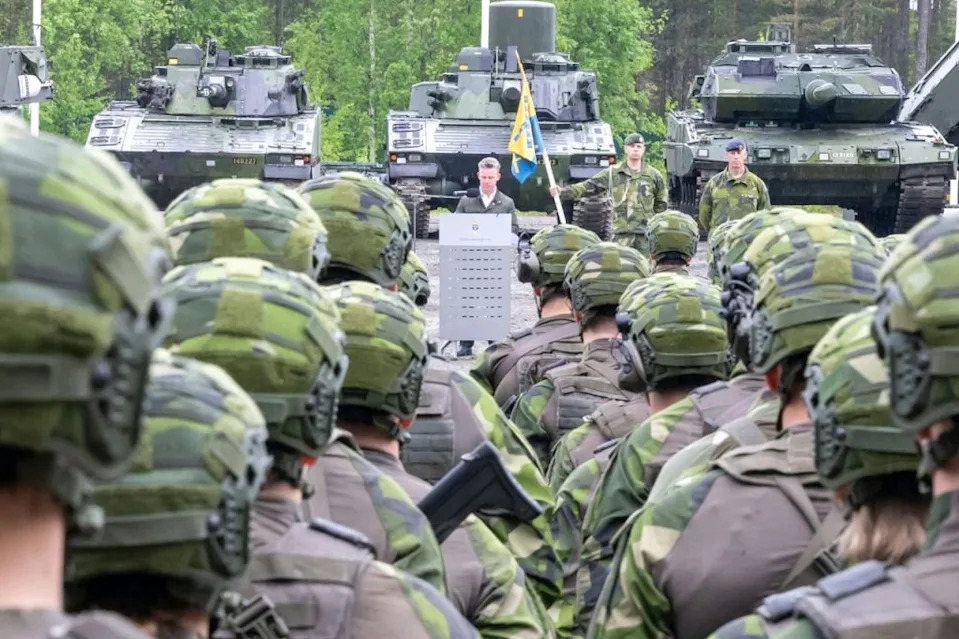
The NATO Forward Land Forces Finland (FLF) was established on June 6, 2026. (NATO Photo by OR-7 Dennis Sattler) MSgt OR-7 Dennis Sattler; DEU Army
Sources, Caveats And Current Context
Analysts and alliance officials caution that Russia is currently committed to large-scale operations in Ukraine and is suffering substantial attrition there, which limits near-term options to transfer massed forces to the Arctic. A NATO official told reporters the alliance assesses the risk of immediate conflict in the High North as low given Russia’s current commitments in Ukraine, but warned that Moscow could seek to expand westward into Nordic and Baltic countries after any ceasefire.
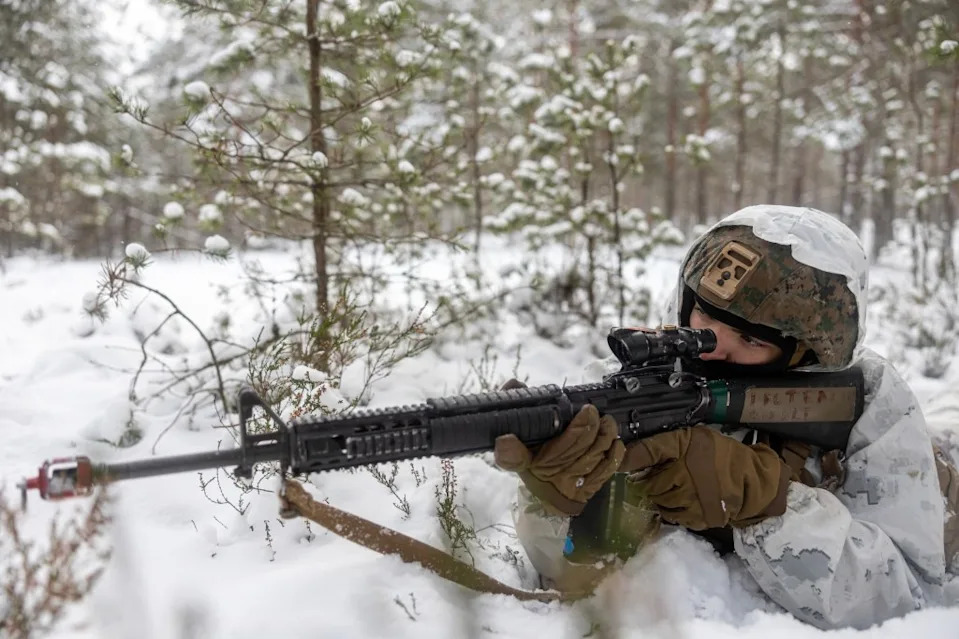
U.S. Marine Corps Lance Cpl. Thomas Teague, a motor vehicle operator assigned to Combat Logistics Battalion 6, Combat Logistics Regiment 2, 2nd Marine Logistics Group, provides security for a convoy during offensive and defensive operations in Syndalen, Finland during exercise Freezing Winds 23 (FW23), Nov. 30, 2023. (U.S. Marine Corps photo by Lance Cpl. Christian Salazar) Cpl. Christian Salazar
NATO And U.S. Responses
In reaction to these developments, NATO has accelerated the delivery of tangible capabilities and has activated new force structures in the region. NATO’s Forward Land Forces (FLF) Finland has begun operations across Finland and Sweden and includes a newly formed multinational battlegroup led by Sweden.
Under FLF Finland, a Swedish battalion battlegroup is prepositioned in Boden, Sweden, with a Multinational Staff Element based in Rovaniemi, Finland. NATO says Sweden’s 2026 contribution will total roughly 600 personnel initially, with the option to expand to about 1,200 if required. U.S. Air Force Gen. Alexus G. Grynkewich, Supreme Allied Commander Europe (SACEUR), described the High North as "one of the most strategically significant and environmentally challenging areas in the world" and said allied initiatives will help ensure regional security.
U.S. Arctic Integration: Nordic Bridge
The United States is also adapting its command and cooperation structures for the Arctic. At the SOF Week symposium, U.S. Northern Command (NORTHCOM) announced the "Nordic Bridge" concept to strengthen integration between NORTHCOM and U.S. European Command (EUCOM), and to enhance cooperation between NORAD and NATO. NORTHCOM says Nordic Bridge aims to improve domain awareness, interoperability and joint training through increased data sharing, coordinated exercises and closer staff cooperation.
Broader Implications
These moves reflect longer-term strategic competition in the High North. While experts see no immediate path to open conflict in the Arctic, the combination of new Russian infrastructure, NATO force posture adjustments and U.S.-NATO integration measures suggests all parties are preparing for a more contested environment. The investments could shorten response times and expand options for force employment if geopolitical conditions change.
Contact: [email protected]
Help us improve.