The article examines why the Northern Ireland–Republic of Ireland land border appears unusually unpoliced compared with other European frontiers, highlighted by the Belfast attack that led to the charging of Hadi Alodid. It explains how the UK–Ireland Common Travel Area (CTA), codified in 2019, permits free movement for British and Irish nationals but places some of Britain’s border control in Irish hands. Rising migration and asylum claims have strained the CTA, and policy options—Schengen‑style common controls, UK Border Force at Irish entry points, or tighter land‑border checks—are politically and practically challenging. The piece calls for renewed UK–Ireland cooperation and a public debate to reconcile free movement with security.
Why Britain Can No Longer Rely On Ireland To Police Their Shared Border
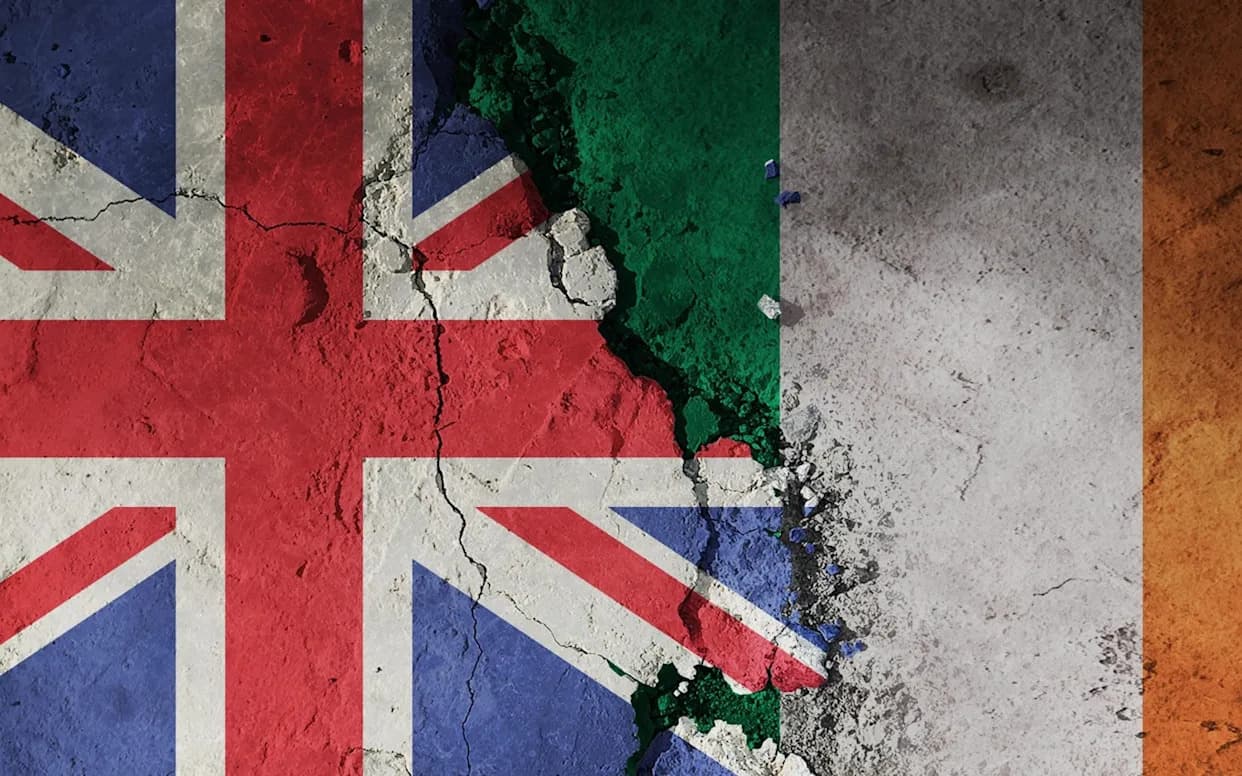
People smugglers have exploited the soft border between Britain and Ireland to bring illegal migrants into the UK
Why does the land border on the island of Ireland appear to be the one European frontier where visible policing is effectively absent? Elsewhere in Europe, external frontiers are fenced, airports enforce entry checks and internal Schengen controls can be reimposed when necessary. Yet the boundary between Northern Ireland and the Republic remains unusually porous.
The question has been sharpened by the violent attack in Belfast on Monday night, after which an individual, Hadi Alodid, has been charged. Reports suggest a journey from Sudan via Paris and Dublin to north Belfast that concluded with permission to remain in the UK. While many details remain unclear, the apparent route highlights tensions in how movement between the two jurisdictions is managed.
The underlying mechanism is the UK–Ireland Common Travel Area (CTA), established after Irish independence in 1922 and formally codified in 2019. The CTA allows British and Irish citizens to move and settle across both jurisdictions without routine passport checks and depends on close alignment of immigration policies and cooperation on security for third‑country nationals.
Importantly, the CTA’s privileges extend only to British and Irish nationals. Third‑country nationals must meet each state’s entry requirements—typically a visa. This model worked more comfortably when third‑country travel was limited and while both states were EU members, benefiting from free movement. Today, however, rising migration flows, increasingly porous travel routes, and growing asylum claims have put strain on the arrangement.
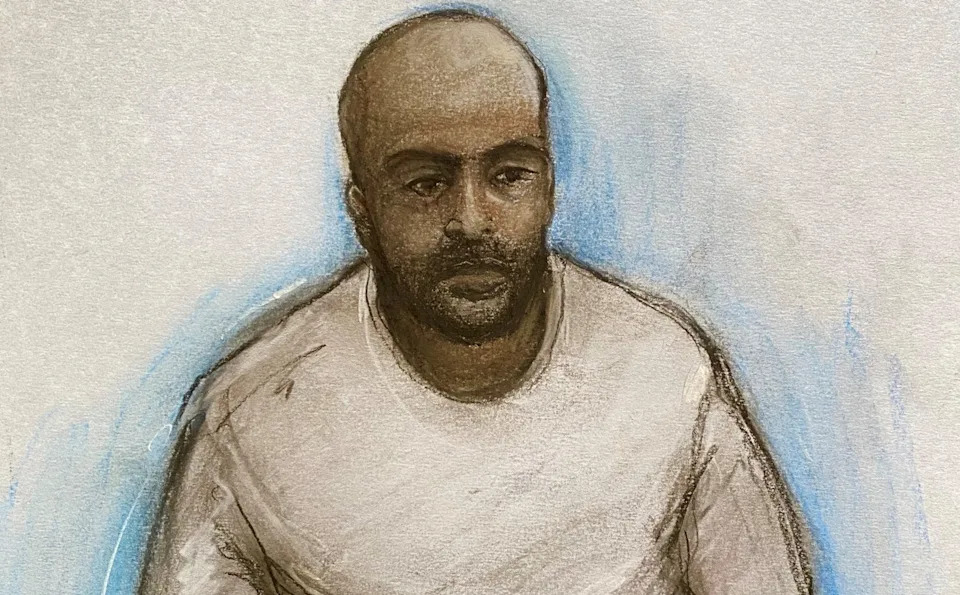
A court sketch of Hadi Alodid, who has been charged with attempted murder - Elizabeth Cook/PA Wire
That strain means part of Britain’s border control effectively operates in another sovereign state. For the CTA to function safely, it requires confidence that Irish entry controls are applied diligently and in a manner compatible with UK policy. While there is intelligence sharing, "behind the border" checks, and cooperation on arrests and removals, the system shows stress and potential for divergence if the UK pursues much tighter controls.
Policy options are limited and politically sensitive. One theoretical route would convert the CTA into a formal Schengen‑style arrangement with common external controls—but that would pull Ireland out of the EU free‑movement zone and bind it into a Britain‑centred regime, a politically fraught outcome in Dublin and Brussels. Another would be to seek a UK Border Force presence at Irish ports of entry, as has been arranged in the Gibraltar‑Spain context; however, this would require Irish consent and would likely prove politically contentious.
The remaining alternative is to reconsider controls closer to the land border: increased visible checks, targeted screening and closer cross‑border policing when necessary. Such measures would require careful legal, operational and political planning to avoid damaging community relations in Northern Ireland and cross‑border cooperation.
Conclusion: The CTA has served both countries for a century, but changing migration patterns and security concerns mean the arrangement needs renewed scrutiny. Rather than shifting blame, the UK and Ireland should open a pragmatic, public debate about how to preserve free movement for citizens while closing any unintended back doors for irregular migration. Solutions will demand cooperation, clear rules and political courage on both sides of the border.
Help us improve.