The EU has allowed nine countries, including France and Portugal, to delay full implementation of the Entry‑Exit System (EES) after repeated IT failures. EES—an EU biometric platform using facial recognition and fingerprints—was intended to replace manual passport checks but has suffered outages that caused long queues and missed flights. A 150‑day grace period over the summer was widely deemed ineffective, and the postponement is seen as recognition that technical fixes are still needed. Eurostar and travel industry groups have urged authorities to prioritise "border fluidity" while problems are resolved.
EU Pauses Full Rollout of Entry‑Exit Biometric System for Nine Countries After Repeated IT Failures
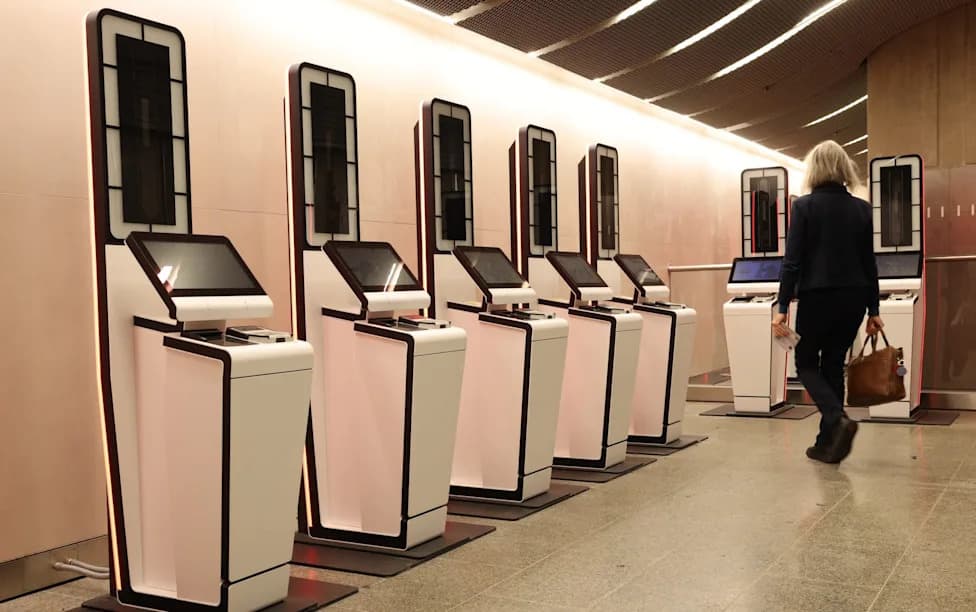
EES kiosks at St Pancras railway station in London - Adrian Dennis/AFP
The European Union has postponed full implementation of its controversial Entry‑Exit System (EES) for nine countries after persistent IT failures caused widespread travel disruption.
What the Decision Covers
EU officials have granted Belgium, France, Germany, Greece, Italy, Malta, the Netherlands, Portugal and Switzerland permission to delay the planned full deployment of EES. The system, mandated by Brussels, uses facial recognition and fingerprinting at the bloc's external borders and was intended to replace routine manual passport checks.
Why the Postponement?
Repeated outages in the IT infrastructure supporting EES's biometric databases have forced border authorities to revert to manual passport stamping when the system is unavailable. Because some airports—such as Berlin Brandenburg—have reduced the number of staffed border‑control booths, system crashes have translated into hours‑long queues, missed flights and major disruption for travellers.
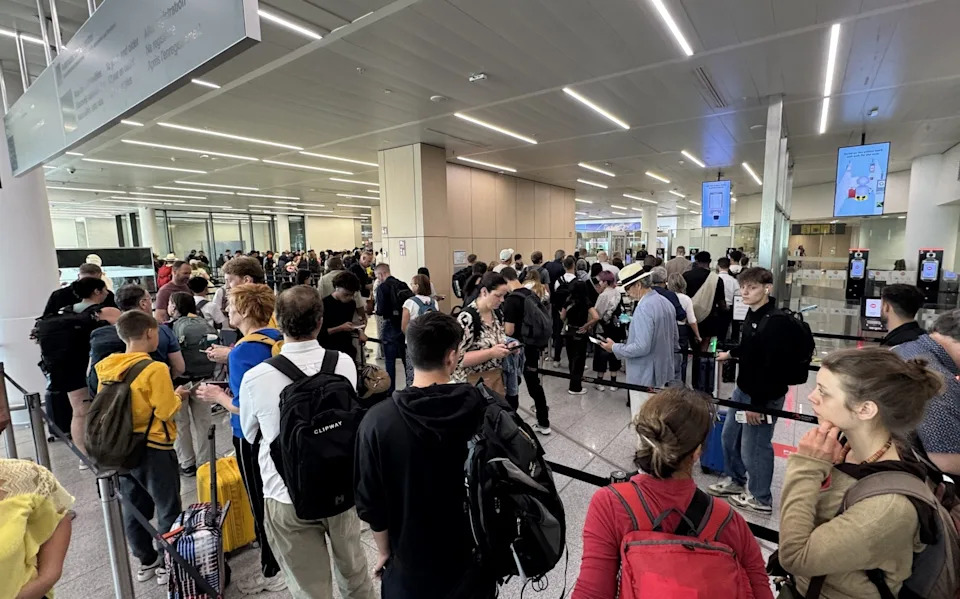
Long queues at passport control at Brussels airport. Belgium is one of the nine countries allowed to further delay the implementation of EES - Dursun Aydemir/Anadolu via Getty Images
"The phrase is 'maintaining border fluidity'," said Gwendoline Cazenave, Chief Executive of Eurostar, after meeting officials from the French Interior Ministry. "They [the EU] know that they need to maintain border fluidity."
Scale of the Disruption
Since EES was ordered live in October last year, the platform has been linked to delays affecting hundreds of thousands of passengers and disruption to thousands of flights, with consequences for millions of travellers. A 150‑day summer grace period intended to ease the transition proved largely ineffective, prompting the latest decision to allow further postponements.
Travellers from outside the Schengen Area—such as British nationals—are subject to EES checks at locations including London St Pancras station (Eurostar) and the ports of Dover and Calais. Airlines, airports and tourism industry groups had warned that the system was not ready for full deployment.
The Department for Transport and the EU Embassy in London have been approached for comment.
Help us improve.