Experimental CAR‑T therapy has induced remission in early UK lupus trials, reprogramming patients' T cells to eliminate the B cells that drive disease. Of six patients treated at UCLH, five remain in remission and follow‑up presented at EULAR showed positive outcomes more than 18 months after therapy. The approach carries significant risks and requires larger, longer trials to confirm durability and wider applicability, but it could be adapted for other autoimmune diseases such as multiple sclerosis and rheumatoid arthritis.
Revolutionary CAR‑T 'Immune Reset' Drives Lupus Into Remission In Early UK Trials

Katie Tinkler, one of the first patients treated [BBC]
An experimental therapy that effectively "resets" a malfunctioning immune system has driven systemic lupus erythematosus (lupus) into remission in early United Kingdom trials, offering fresh hope for patients with severe, treatment‑resistant disease.
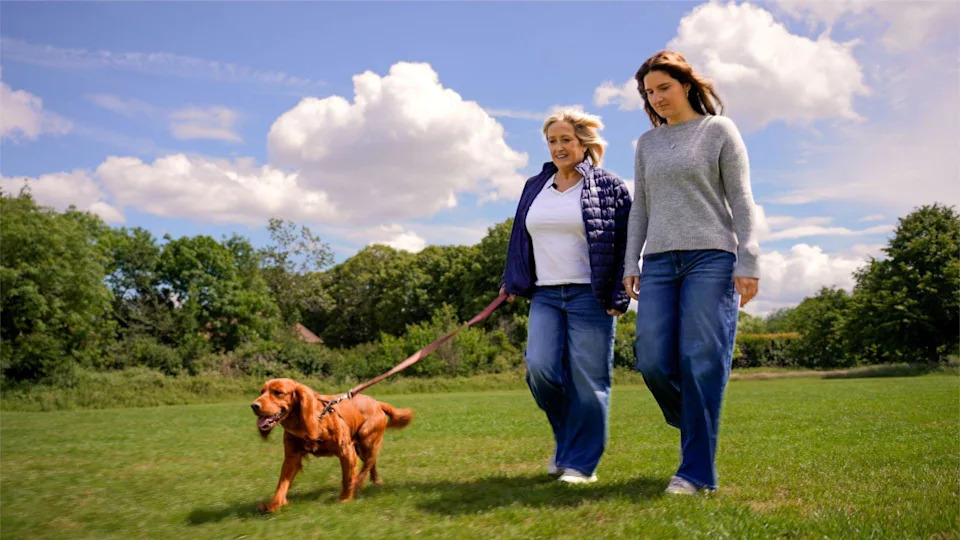
Katie walking Solo along with her daughter Evie [BBC]
The approach, delivered at University College London Hospitals (UCLH), uses chimeric antigen receptor T‑cell (CAR‑T) technology to reprogramme a patient's own immune cells so they eliminate the B cells that drive autoimmune damage. Researchers say the strategy could potentially be adapted to other antibody‑mediated autoimmune disorders such as multiple sclerosis and rheumatoid arthritis.
[BBC]
Patient Story: From Near‑Collapse To Active Life
Katie Tinkler, one of the earliest recipients of the therapy, described a dramatic turnaround. Diagnosed in 1993 at age 20, she endured years of painful flares, organ damage and repeated hospital stays that left her close to needing dialysis. A year and a half after receiving CAR‑T in November 2024, Katie is off lupus medication, reports recovered organ function and says:
"I've never been this good. I'm literally saying yes to anything — I sort of forgot that you could feel this good."
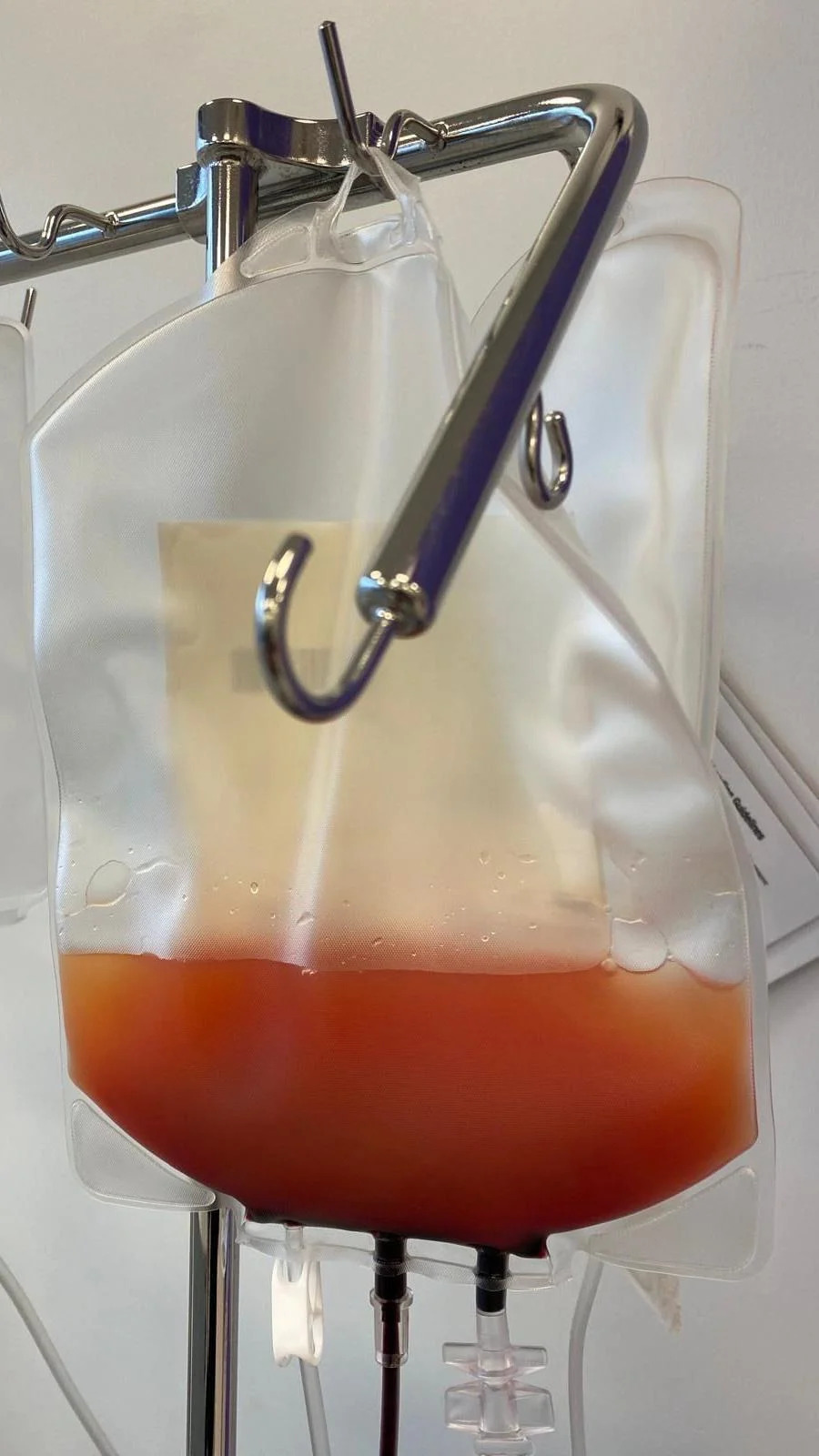
Katie's T cells had to be harvested from her blood before being modified and put back into her body. [Katie Tinkler]
How The Treatment Works
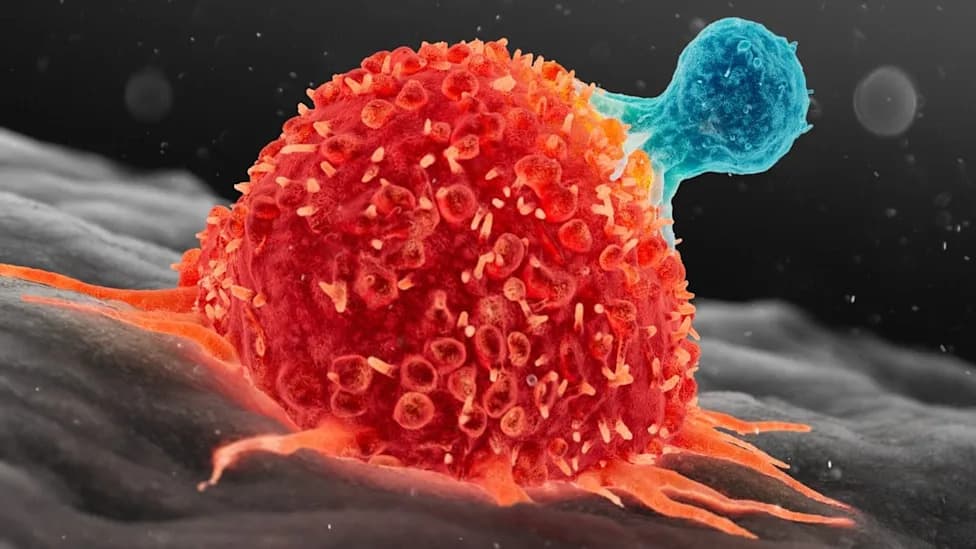
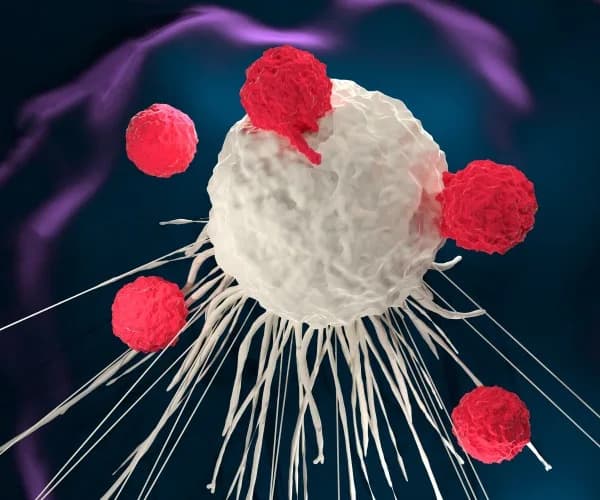
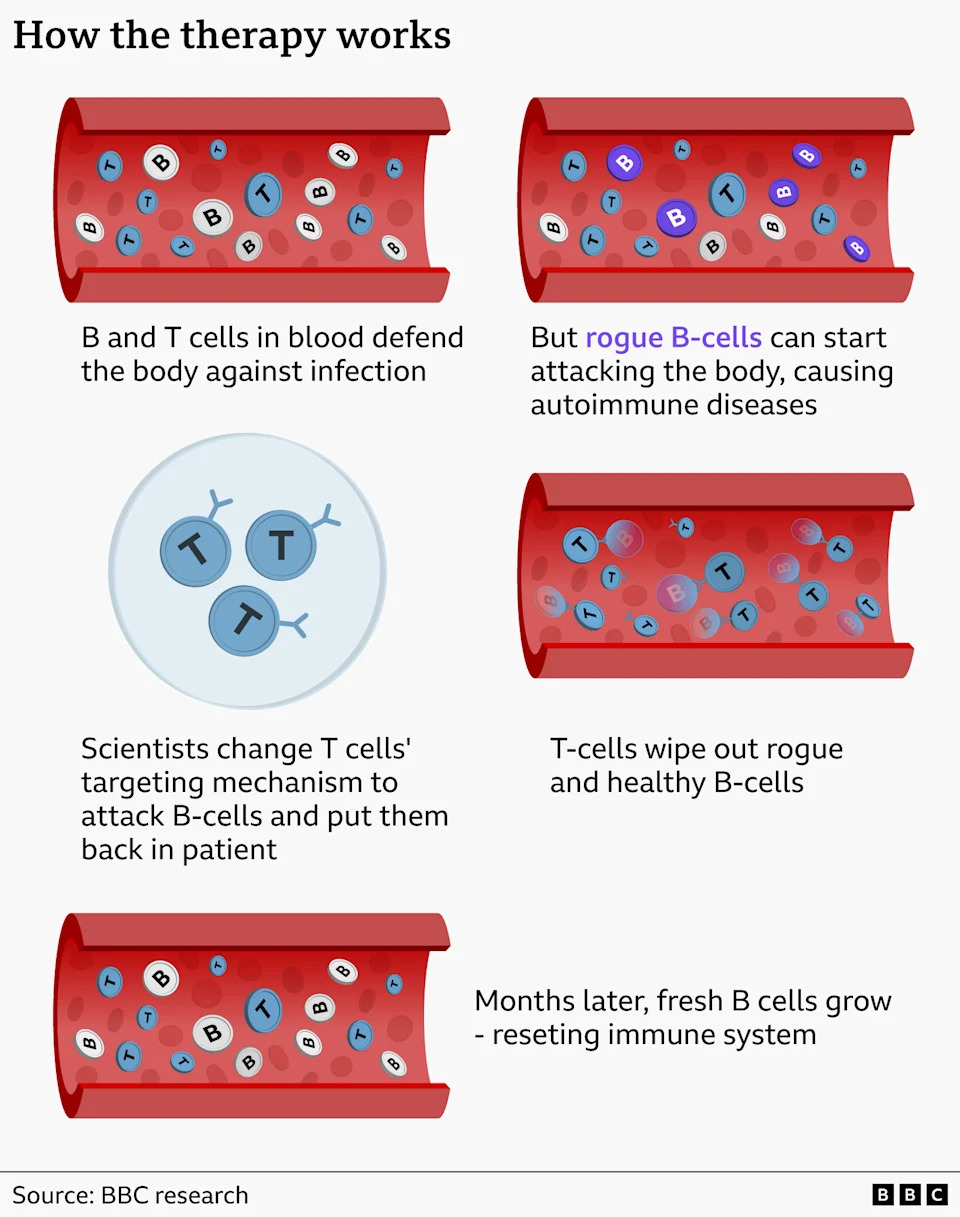
In lupus, certain B cells become "rogue" and produce antibodies that attack healthy tissue. The CAR‑T method creates a targeted "civil war" inside the immune system: clinicians harvest millions of the patient's T cells, genetically modify them in the laboratory so they recognise and kill B cells, and then reinfuse the engineered T cells back into the patient.

Katie has been skiing for the first time in a decade [Katie Tinkler]
The modified T cells initially deplete both pathogenic and healthy B cells. Over subsequent months, new healthy B cells repopulate the immune system — effectively producing an immune system reset that removes the cells driving the disease.
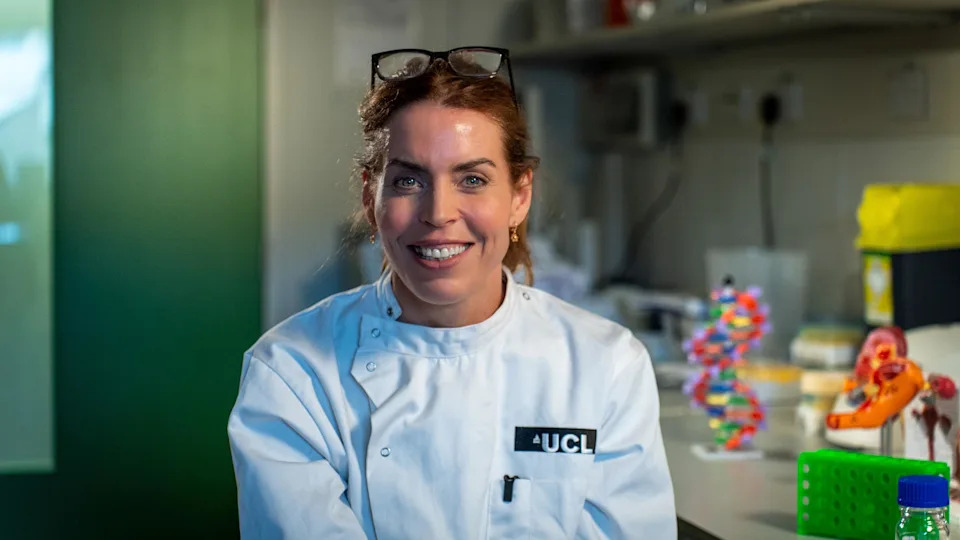
Dr Claire Roddie is researching CAR-T therapy [BBC]
Outcomes, Risks And Open Questions
Of the first six patients treated in the UCLH trial, five remain in remission; the sixth showed improvement but experienced a lupus flare after 11 months. The team presented follow‑up data at the EULAR European Congress of Rheumatology, reporting patients were still well more than 18 months after treatment.
However, this is early data. Clinicians caution that longer follow‑up and larger, controlled trials are required to determine how durable remissions will be, how reproducible the results are across diverse patient groups, and the full safety profile. The procedure also carries significant risks: patients undergo a rigorous preparatory regimen — including chemotherapy — and were warned of potential serious complications, including life‑threatening events.
Dr Maria Leandro, consultant rheumatologist at UCLH, commented: "If we were to have patients in remission for three to five years consistently, that would be a major gain in lupus. This is clearly a significant step forward towards a possible cure, so it is very exciting." Dr Claire Roddie of UCL added that clinical studies are already exploring CAR‑T in multiple sclerosis and that the approach has broad potential where B cells drive disease.
What Comes Next
Researchers plan larger trials and longer follow‑up to confirm safety, duration of benefit and applicability to other autoimmune diseases. For patients like Katie, the improvement is life‑changing: she says she now hopes to climb mountains, try a triathlon and reclaim activities that lupus had taken from her.
Takeaway: Early CAR‑T results in lupus are promising but preliminary — they point to a possible new class of treatments for antibody‑driven autoimmune diseases, pending confirmation in larger, longer studies.
Help us improve.