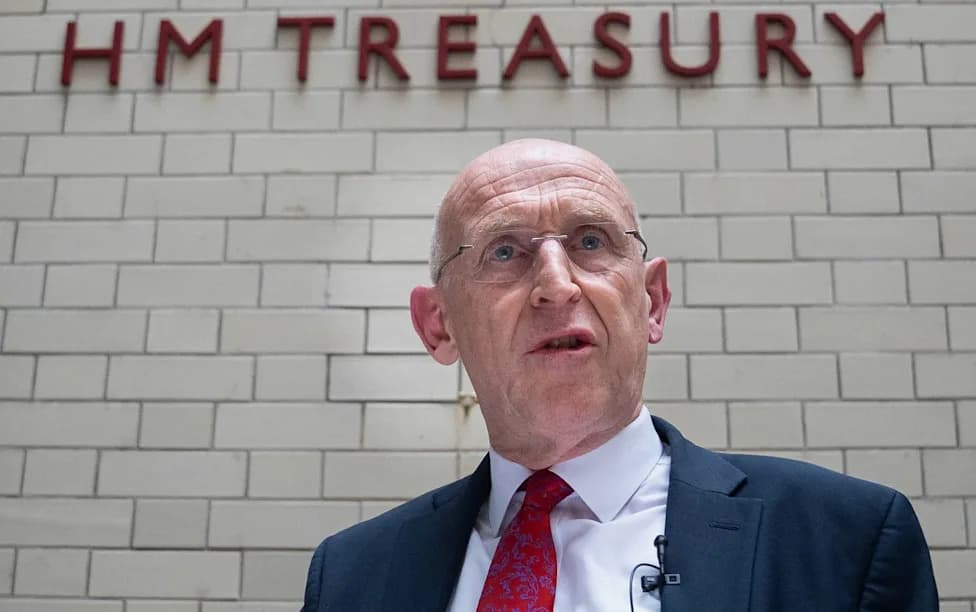
John Healey resigned as U.K. Defence Secretary, saying the government's Defence Investment Plan "falls well short" of what is needed to keep British forces ready amid rising global threats. He warned the settlement would reduce operational readiness and increase risks to personnel, citing commitments from the Middle East to the Arctic and rising Russian activity. The resignation intensifies pressure on Prime Minister Keir Starmer as Britain balances NATO spending targets and expanding security roles.
U.K. Defence Secretary John Healey Resigns, Warns Funding Plan 'Falls Well Short'
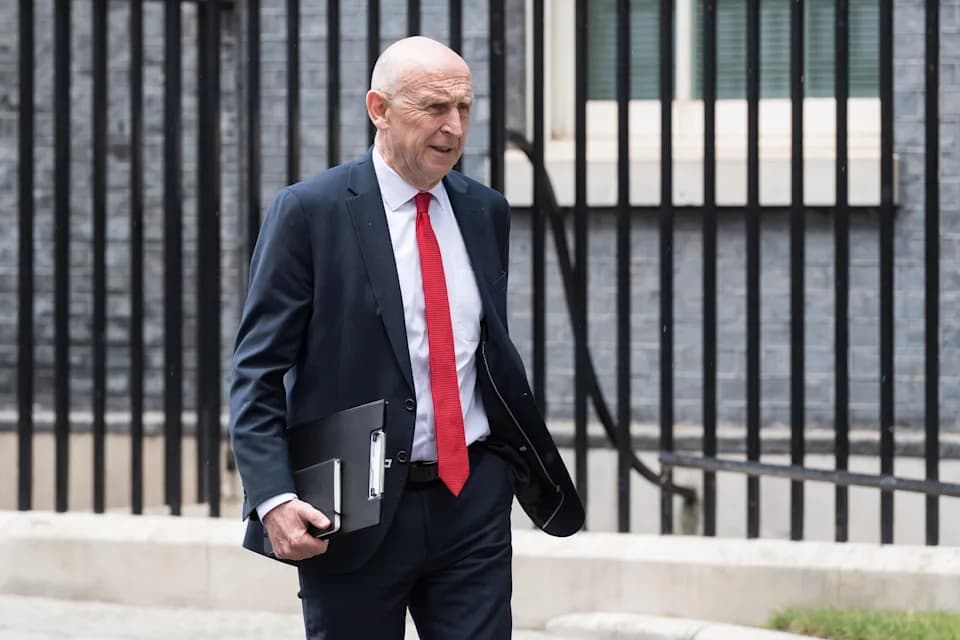
John Healey leaves 10 Downing Street in London, England on June 09, 2026. / Credit: Wiktor Szymanowicz/Future Publishing via Getty Images
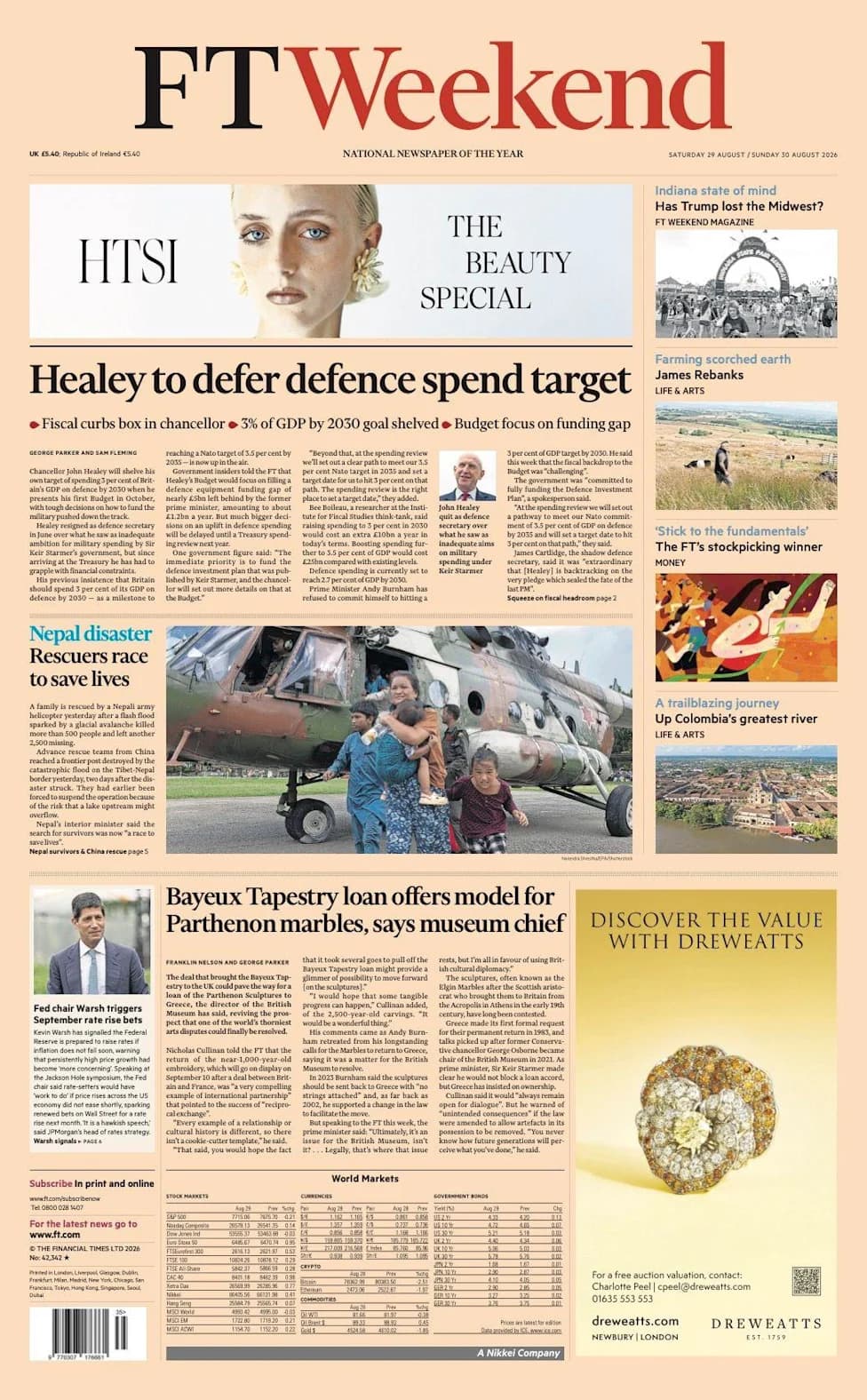
John Healey resigned as U.K. Defence Secretary on Thursday, saying the government's Defence Investment Plan (DIP) does not provide the necessary funding to keep Britain’s armed forces ready at a time of rising global threats.
In a resignation letter to Prime Minister Keir Starmer, Healey said the Labour government entered office recognizing "a new era of threat which demanded a new era for defence," but that ministers had failed to supply the resources needed to meet that moment.
Healey wrote that the defence settlement he was "first given in full" on Monday "falls well short of what is required for defence and the country at this dangerous time." He warned the settlement would force choices that would reduce operational readiness and increase risks to personnel.
Why He Resigned
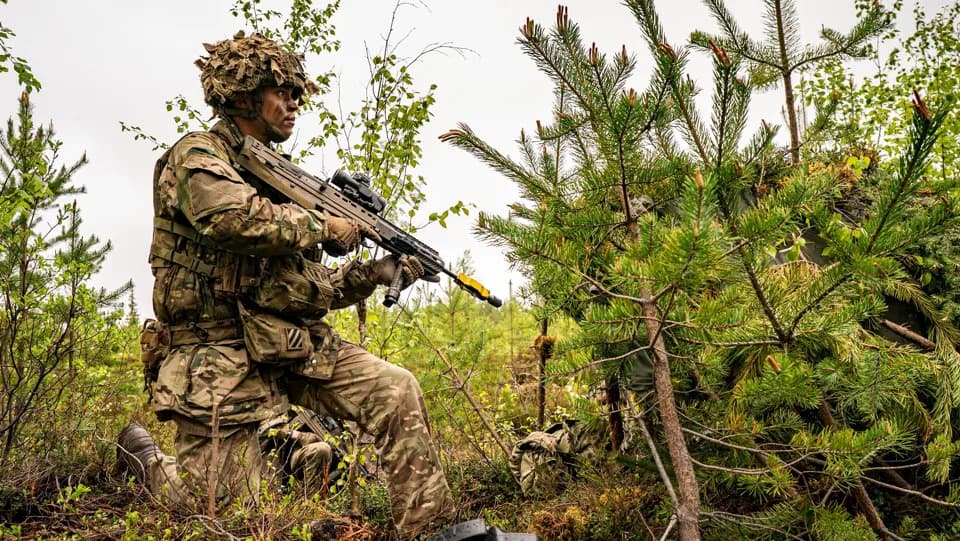
Healey framed his departure against a backdrop of expanding U.K. commitments and rising international tensions. He pointed to a range of obligations already stretching military resources, including:
- Co-leading a multinational mission in the Strait of Hormuz;
- Commanding NATO's Arctic Sentry operation amid growing polar security concerns;
- Heightened Russian activity directed at the U.K. and its allies and sustained attacks on Ukraine;
- Potential British deployments envisaged under broader international arrangements, such as the Paris Agreement on Ukraine, following any future ceasefire.
"You know what defence needs," Healey wrote to Starmer, invoking the prime minister's speech at the Munich Security Conference. "Without a DIP that meets the moment in this way, I am being forced to make decisions that would reduce the readiness of our Forces and increase the risk to personnel on operations, and could make the country less safe."
Political Fallout
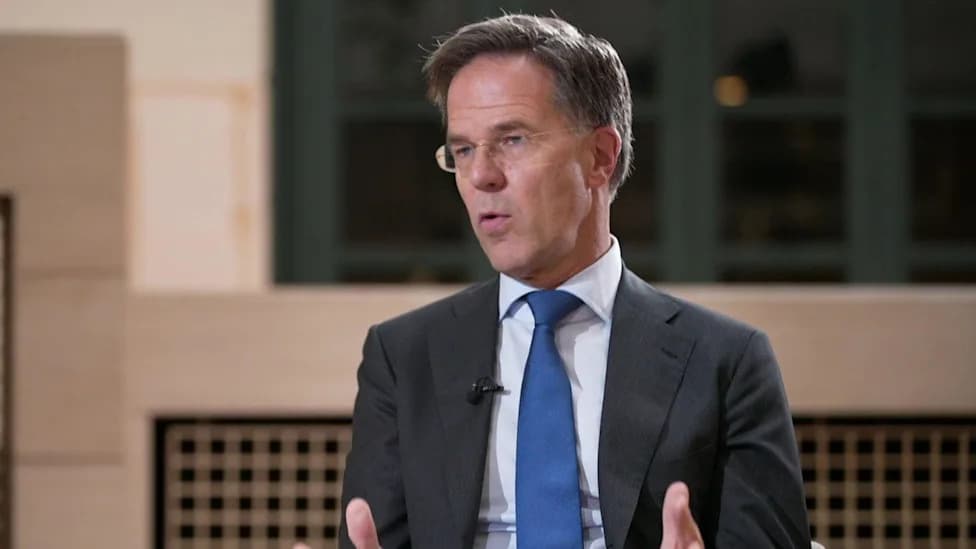
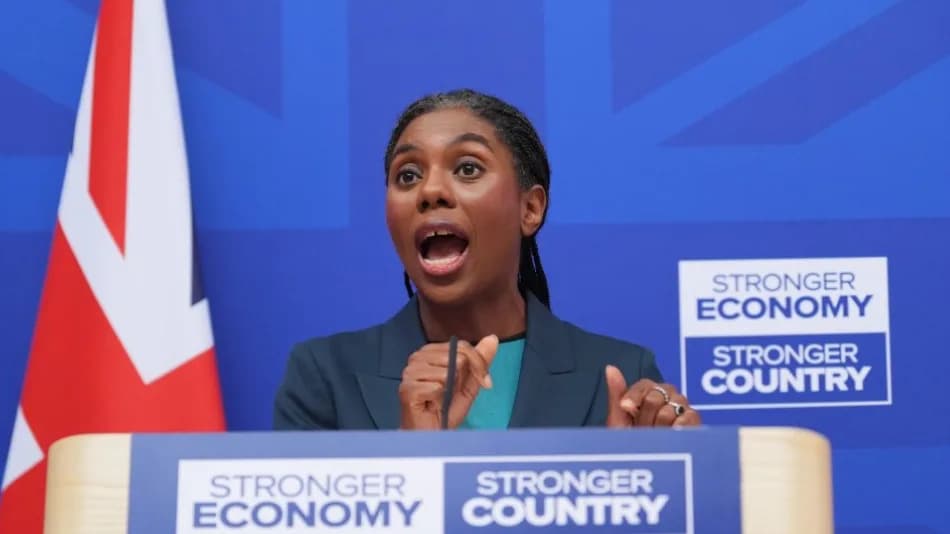
Healey's departure follows months of internal dispute over the DIP. The issue has intensified political pressure on Mr. Starmer at a sensitive moment for his administration. Opposition figures seized on the resignation to criticise the government's defence credentials: Green Party leader Zack Polanski called the government "in chaos," while Conservative leader Kemi Badenoch described Healey's warnings as "shocking" if they are accurate.
The resignation also arrives amid ongoing debates about NATO burden-sharing: Mr. Starmer previously articulated an ambition to raise U.K. defence spending to 3% of GDP within a few years, while NATO leaders have agreed a longer-term target of 3.5% of GDP by 2035. Delivering those commitments, Healey and others say, will require sustained and increased investment.
What Comes Next
The government must now appoint a successor and decide whether to revise the DIP. The episode highlights the political and financial challenges of aligning defence ambitions with available resources while Britain expands its international military role.
Key dates and facts: Healey said he received the full DIP on Monday and resigned on Thursday; Starmer is due to meet NATO counterparts in Ankara in July to discuss defence commitments.
Help us improve.