A PLOS One study tracking ten adult reef manta rays (Mobula alfredi) around the Samarai Islands finds that these mantas do not migrate during monsoon seasons but instead dive deeper in place. Between 2016 and 2018, 75% of tagged individuals stayed within about six miles of Milne Bay; the farthest moved just over 50 miles. Average dive depths were ~207 ft during the NW monsoon and ~161 ft during the SE monsoon, reflecting seasonal shifts in zooplankton distribution. The results clarify important local habitats for targeted conservation of this Vulnerable species.
Reef Manta Rays Don’t Flee Monsoons — They Dive Hundreds of Feet Near Papua New Guinea
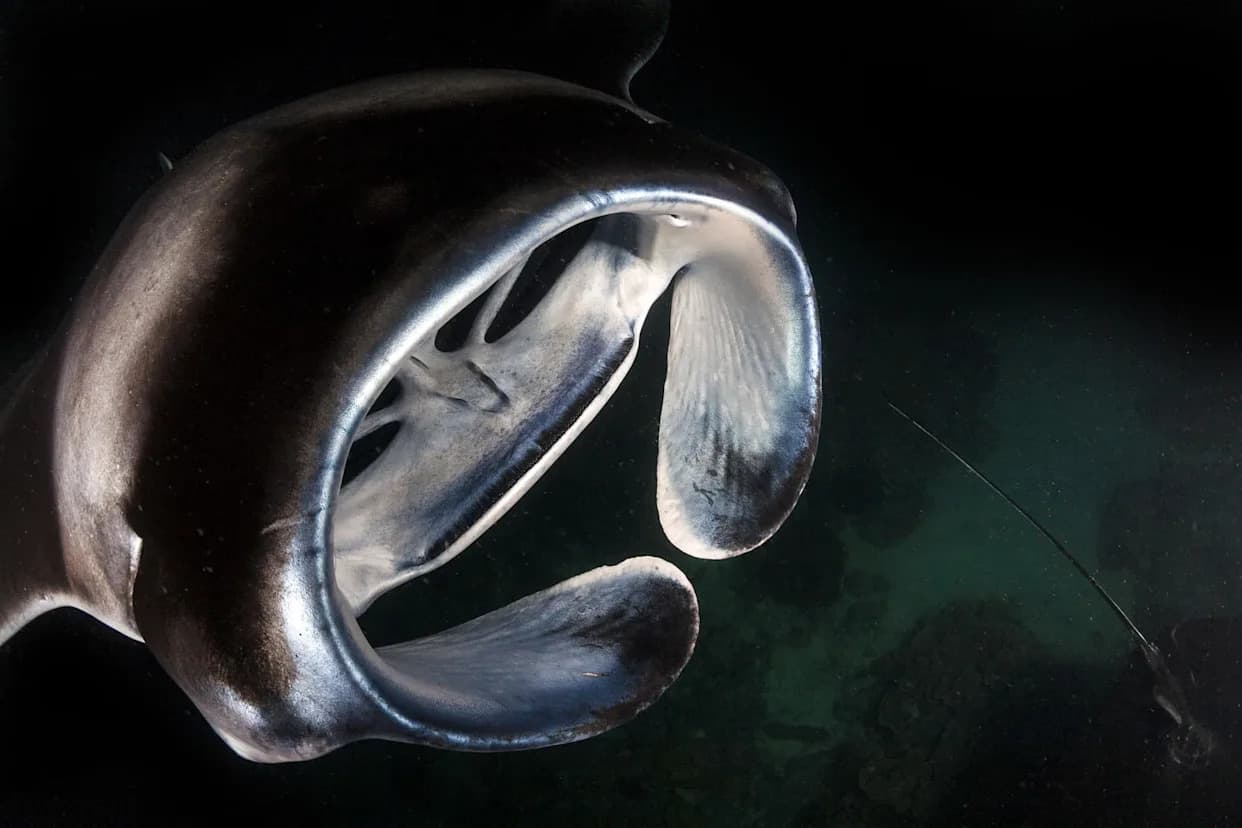
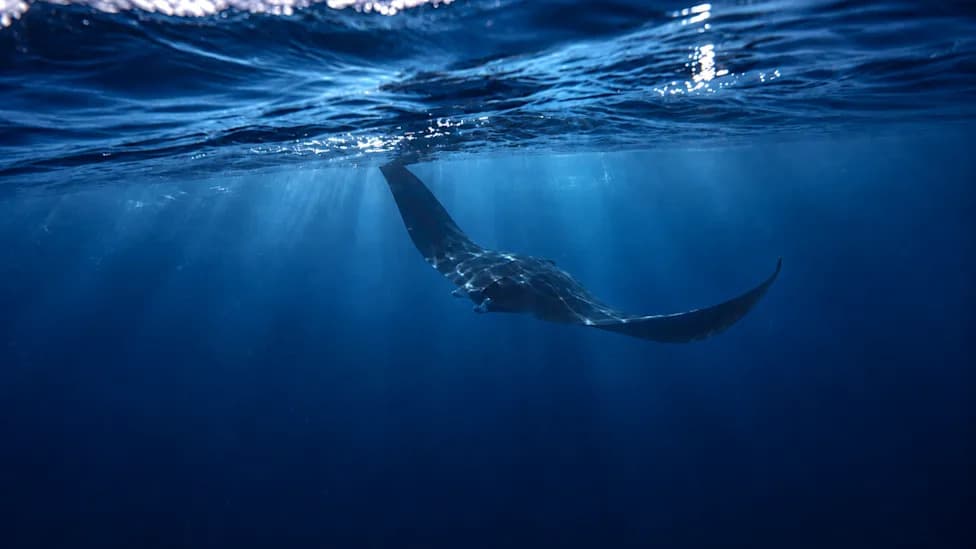
Manta ray© nicolasvoisin44/Shutterstock.com
Giant reef manta rays that inhabit the shallow seas around Papua New Guinea don’t escape monsoon storms by migrating away — they simply go deeper. A new study in PLOS One finds that these mantas expand their vertical range and remain locally faithful even when surface conditions become rough.
Study Details and Methods
The research, led by Anna Knochel (then a Ph.D. student at the University of the Sunshine Coast), is the first study focused specifically on reef mantas (Mobula alfredi) around coastal Papua New Guinea. Between 2016 and 2018, researchers fitted ten adult manta rays with satellite-linked archival tags (SPLASH10) in the Samarai Islands, Milne Bay. The tags automatically detach and transmit data, recording horizontal positions (GPS and Argos) and vertical behavior (maximum dive depths and depth histograms).
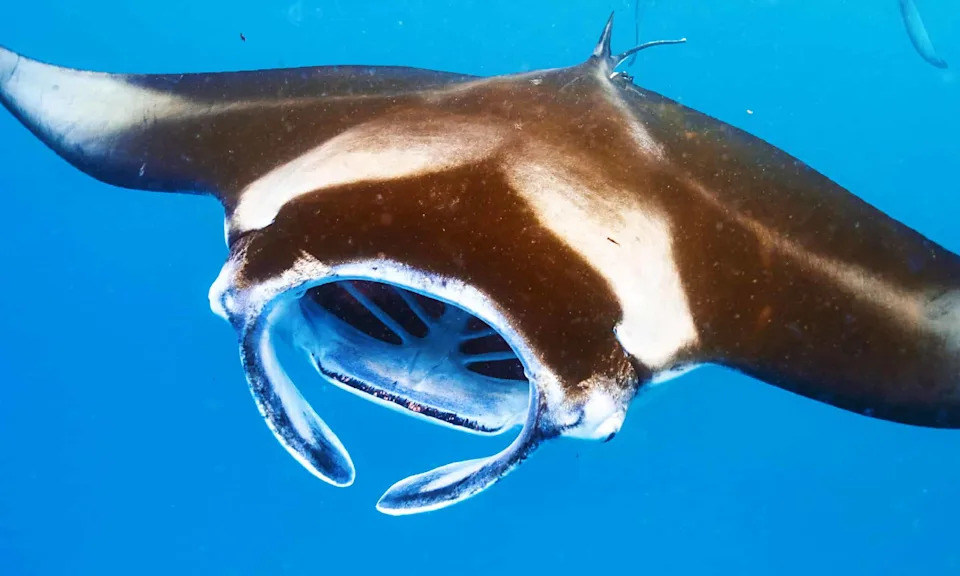
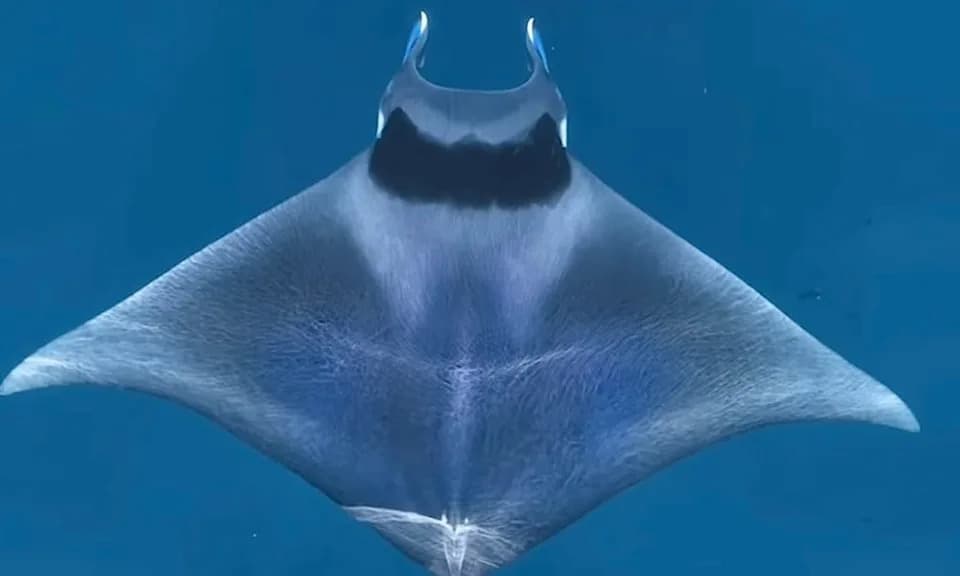
Reef manta rays live primarily in the Indian and Pacific oceans.©haveseen/Shutterstock.com
Key Findings
Contrary to expectations that mantas would travel to calmer waters during monsoons, most stayed local. About 75 percent of tagged individuals remained within roughly six miles of the original tagging site, and the maximum recorded horizontal movement was just over 50 miles — far shorter than the hundreds of miles other manta populations sometimes travel.
Instead of migrating, the mantas dove deeper during periods when surface productivity dropped. Average maximum dive depths differed by monsoon season: during the northwest (NW) monsoon (November–April) the average was about 207 feet, while in the southeast (SE) monsoon (May–October) it averaged roughly 161 feet. Two individuals were recorded diving beyond 1,300 feet in December.
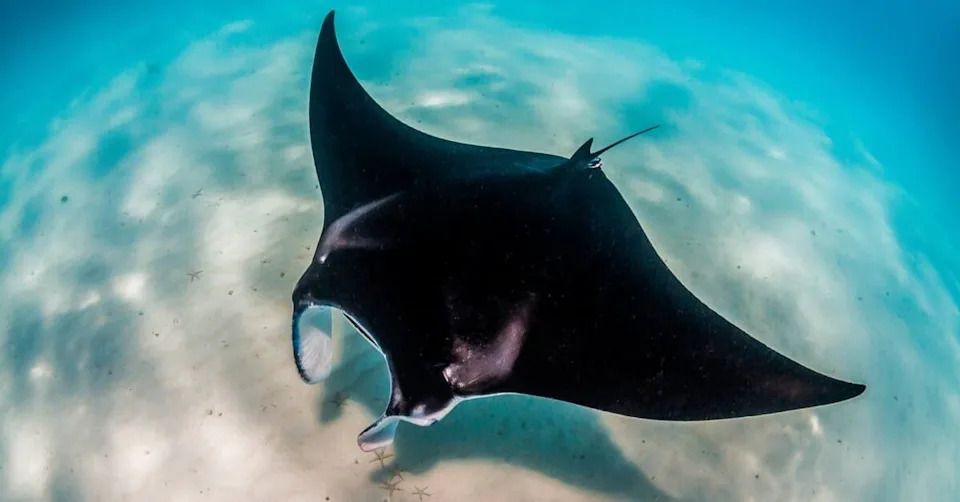
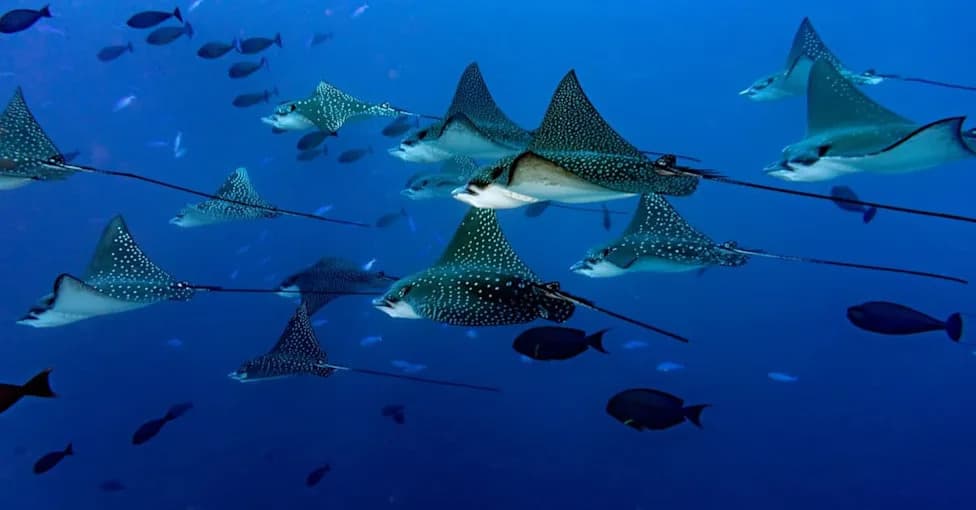
Manta rays feed on zooplankton.©Aaronejbull87/Shutterstock.com
Why They Dive Rather Than Leave
The seasonal changes in diving behavior align with shifts in zooplankton distribution. During the NW monsoon, surface productivity declines and zooplankton concentrate at greater depths, so mantas follow their prey downward. During the SE monsoon, higher surface productivity keeps zooplankton nearer the surface, reducing the need for deep dives.
Geography also helps explain the mantas’ site fidelity. The Samarai Islands lie in an upwelling zone at the edge of the Coral Sea; cold, nutrient-rich water rises consistently, sustaining productivity and abundant zooplankton year-round. That steady food supply reduces the need for long-distance migration.
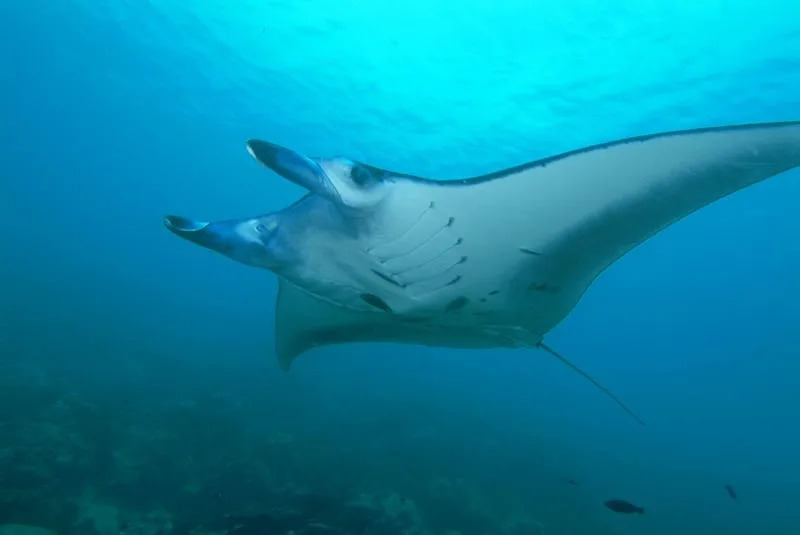
Reef manta rays don’t migrate in monsoon seasons; they dive deeper into their local waters.©Bartek.cieslak at pl.wikipedia / Creative Commons –Original
Conservation Implications
Reef manta rays are listed as Vulnerable on the IUCN Red List. Populations are small and often geographically isolated, and mantas reproduce slowly. The study’s finding that this population remains closely associated with localized areas year-round means conservation measures can be targeted more precisely. Bycatch from the Gulf of Papua prawn trawl fishery and local hunting remain important threats.
“The data show that the mantas expanded their vertical use of the water column rather than leaving the region to find prey,” said Anna Knochel.
The research team included collaborators from The Manta Trust, Conservation International Asia-Pacific, Re:wild, the University of Plymouth, and Columbia University. Funding came from National Geographic and Conservation International.
Takeaway
Rather than escaping stormy surface conditions by migrating, reef manta rays around the Samarai Islands respond to monsoons by diving deeper to follow their zooplankton prey. This behavior, combined with strong site fidelity, helps conservationists focus protection efforts on key local habitats.
Help us improve.