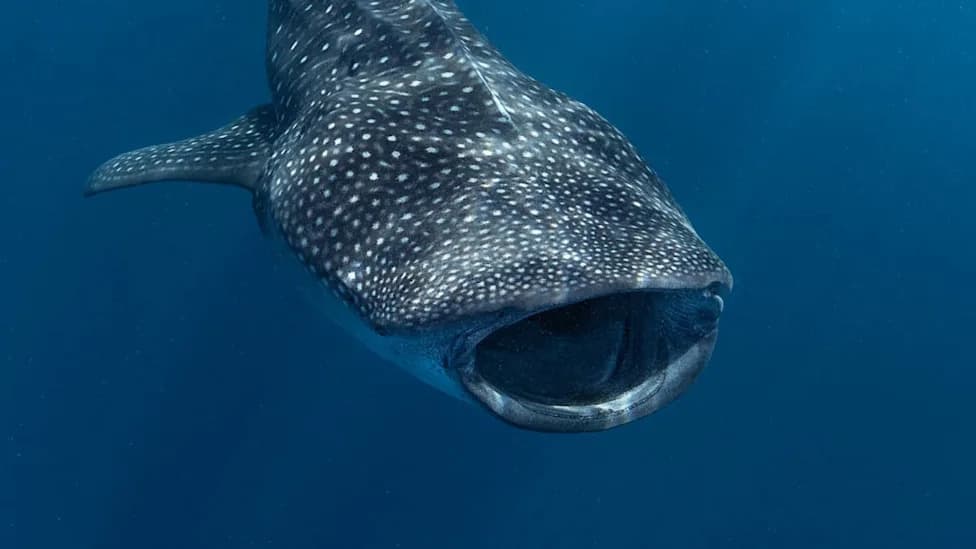
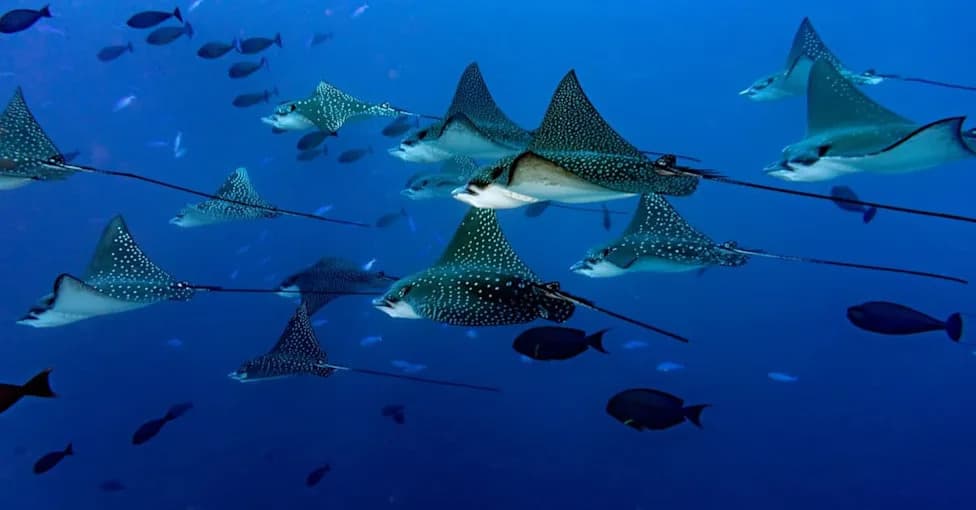
A giant oceanic manta ray with an estimated 29-foot wingspan was filmed off San Diego by Net Zero Expeditions, possibly the first documented local sighting of the species. NOAA lists Mobula birostris as Threatened under the Endangered Species Act. Researchers link the appearance to a year-long marine heat wave and a strengthening El Niño, which are driving warm-water species northward. Other tropical visitors, such as spinetail devil rays, have also been reported, suggesting broader shifts in regional marine life.
29-Foot Endangered Oceanic Manta Filmed Off San Diego as Tropical Waters Surge
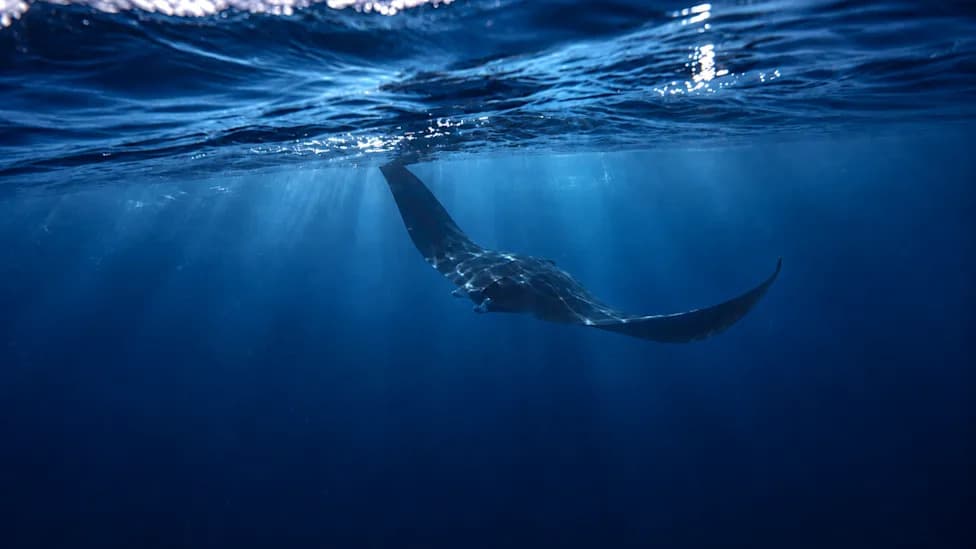
29-Foot Endangered Manta Ray Stuns San Diego as Tropical Waters Surge (Video)
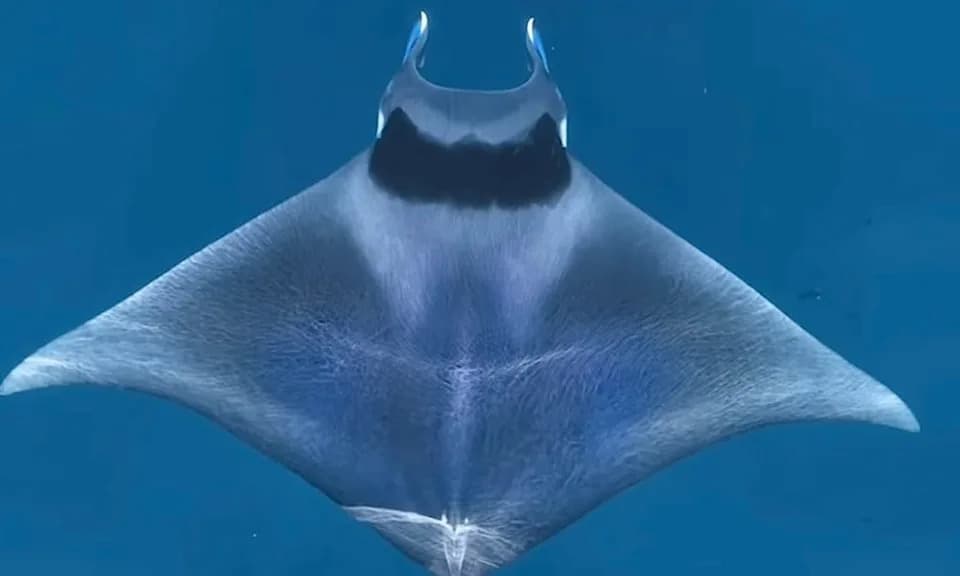
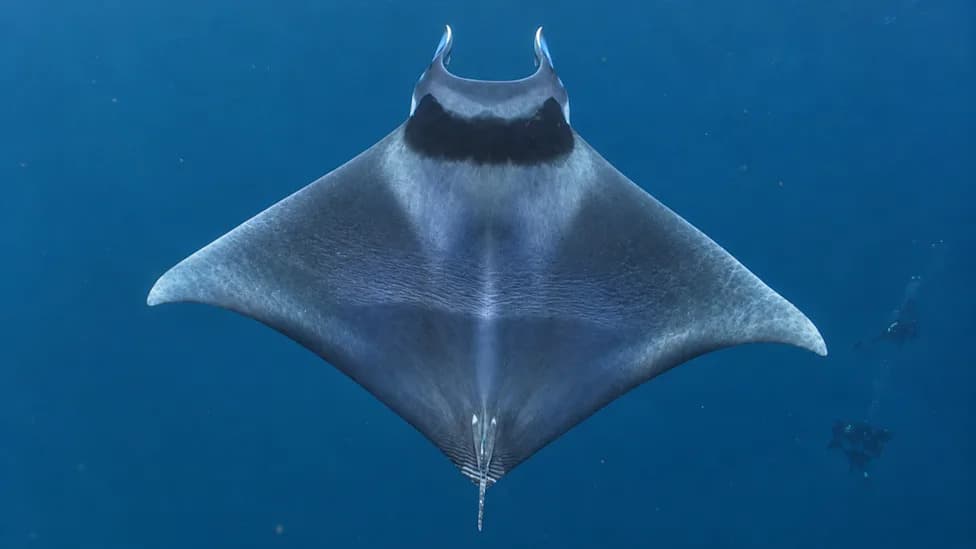
Southern California’s ocean — increasingly taking on tropical characteristics this season — delivered a rare and spectacular sighting off San Diego: a giant oceanic manta ray filmed by Net Zero Expeditions. The footage, released as “Endangered Oceanic Manta Filmed Off San Diego,” may document the first confirmed local encounter with this species.
The oceanic manta (Mobula birostris) can reach an approximate wingspan of 29 feet. The video shows the animal gliding through clear blue water, its broad, wing-like pectoral fins dwarfing nearby fish. Unlike stingrays, oceanic mantas are gentle filter feeders that consume large quantities of zooplankton.
"When an endangered oceanic manta shows up off San Diego, the ocean is telling us something," said Manolo Mendieta, founder of Net Zero Expeditions. He noted that a year-long marine heat wave has pushed warmer water farther north and that a strengthening El Niño is likely to amplify those changes. Mendieta emphasized that Net Zero Expeditions treats each trip as a scientific survey so that unusual observations are recorded and shared.
Why This Sighting Matters
NOAA lists Mobula birostris as Threatened under the Endangered Species Act and recognizes it as the world’s largest ray. Scientists and local operators link the appearance of this tropical species to a combination of prolonged marine heat and a developing El Niño, which together can push warm-water animals into regions that are normally too cool for them.
This sighting follows other unusual visitors this summer, including rare spinetail devil rays reported near San Diego’s Nine Mile Bank. NOAA notes that giant mantas are highly migratory and that their movements often follow seawater temperature, ocean currents and shifting concentrations of zooplankton — the manta’s food source.
Net Zero Expeditions called the encounter potentially historic because oceanic mantas are more commonly associated with warmer waters to the south. With El Niño strengthening, scientists warn that Southern California may see more tropical and subtropical species in the months ahead.
What Observers Should Know: Mantas are protected and non-aggressive; anyone who sees one should observe from a distance, avoid disturbing the animal, and report sightings to local research groups so the event can be documented.
Note: This article is based on footage and reporting first published by Surfer on Sep 30, 2026.
Help us improve.