Jonathan Hall KC, the government's independent reviewer of terrorism and state-threats legislation, warned that immigration should be considered a national-security issue following a knife attack in Belfast linked to a Sudanese asylum seeker. He suggested some migration flows may carry heightened security risks and noted that trauma among asylum seekers could increase the risk of violent behaviour in some individuals. Official figures cited in the debate show foreign nationals accounted for one in seven sexual convictions in 2024, though experts urge caution in interpreting such data. Hall's comments call for a balanced, evidence-based reassessment of migration policy that reconciles security needs with human-rights obligations.
Britain Confronts Security Risks Of Open Borders As Senior Reviewer Urges Rethink

Riots have torn apart Belfast - Paul Faith/AFP
For decades the British state has operated on an assumption that mass migration, human-rights commitments and national security can coexist without contradiction. That view has endured even as porous borders and a weak deportation system have, critics argue, allowed dangerous actors and organised criminals to enter and remain in the country with relative ease. Recent public comments from a senior reviewer suggest that complacency may be ending.
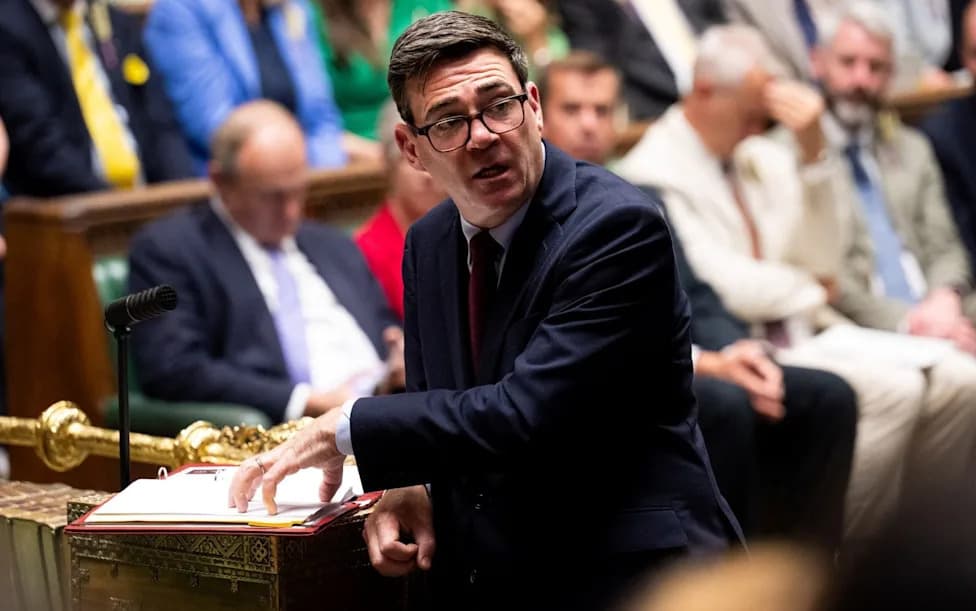
Today Jonathan Hall KC, the government's Independent Reviewer of Terrorism Legislation and Independent Reviewer of State Threats Legislation, made a rare public intervention urging policymakers to treat immigration as a national-security consideration alongside the economy and housing.
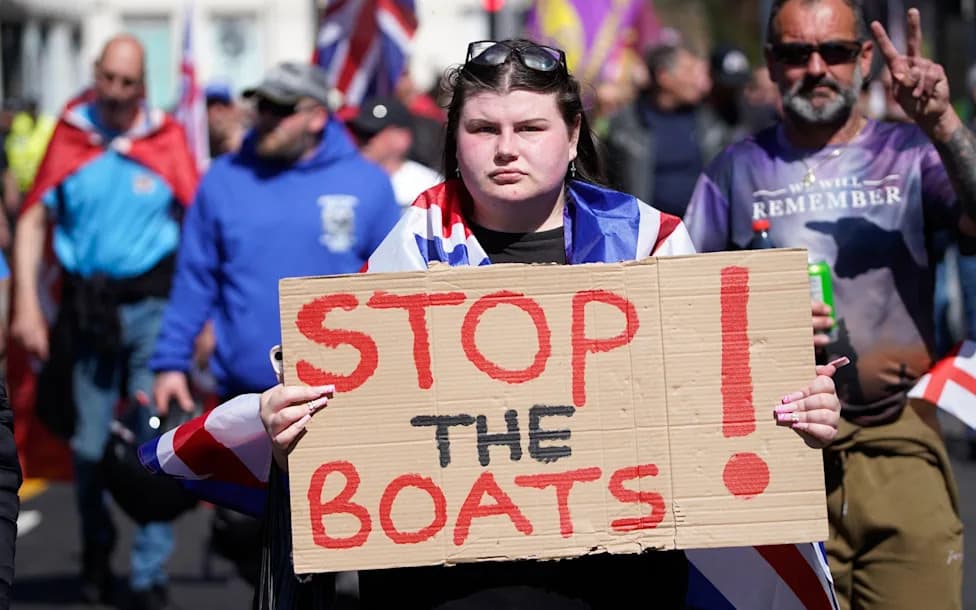
“Violence by newly arrived migrants is becoming more relevant,” Hall said, commenting on a recent case in which a Sudanese asylum seeker was charged over a knife attack in Belfast and unrest followed across the province.
Hall asked whether, if people from particular countries are statistically more likely to be involved in very serious offences or state-threat activity, migration policy should be assessed through a security lens as well as through social and economic perspectives. He also pointed to the additional factor that many asylum seekers from war-torn regions have suffered severe trauma, which may increase the risk that some individuals are prone to violent behaviour.
Those are serious points. Official figures cited in public debate show foreign nationals accounted for one in seven sexual convictions in 2024 — a statistic often used to highlight risks associated with some migrant cohorts. At the same time, experts emphasise that statistics must be interpreted carefully and that broad-brush claims risk stigmatising vulnerable people and undermining integration efforts.
What This Means For Policy
Hall's intervention makes it clear that the balance between security and human-rights obligations needs renewed attention. Practical responses could include improving screening and intelligence-sharing at the border, strengthening deportation and removal processes where legally appropriate, and expanding trauma-informed support to reduce the risk of violent outcomes among vulnerable migrants. Equally important is maintaining adherence to legal protections and avoiding policies that unfairly target entire communities.
Ultimately, Hall is urging a more realistic, evidence-based discussion about migration that recognises both legitimate security concerns and the state's human-rights responsibilities. Whether this prompts concrete policy changes across Whitehall remains to be seen, but the comments have already widened the public conversation.
Help us improve.