Two self-funded progressive candidates — Saikat Chakrabarti and Tom Steyer — spent tens and hundreds of millions respectively but finished third in California primaries and will not advance to the general election. Reporting also found thousands of Los Angeles voter registrations linked to addresses listed as homeless shelters, including a site that received a $600,000 grant while Councilmember Nithya Raman chaired a homelessness committee. In the Bay Area, Flock Safety’s license-plate readers and drones are tied to a reported 57% drop in auto thefts since 2023, but privacy advocates organized through DeFlock urge caution and oversight.
Big Money, Small Returns: Self-Funded Progressives Falter in California Primaries
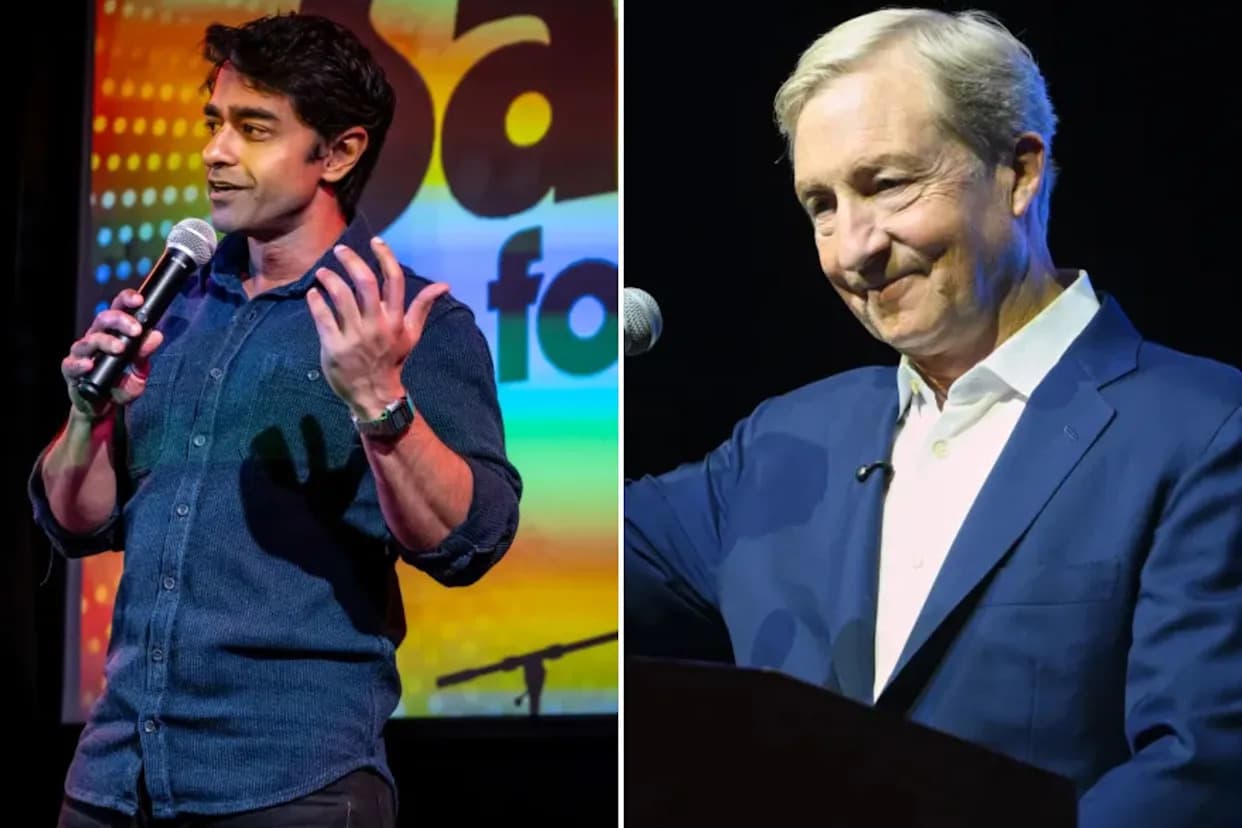
An image collage containing 2 images, Image 1 shows Saikat Chakrabarti speaking into a microphone with a colorful
Three short developments from California politics and public safety show that large personal spending and surveillance technology do not guarantee political success or uncontested public support.
1. Money Didn’t Buy CD-11 Or The Governor’s Mansion
By Riley Nork
California’s primary took days to tabulate, in part because of the state’s complex election administration. Two high-profile, self-financed progressive candidates — Saikat Chakrabarti and Tom Steyer — spent heavily and still failed to advance to the November general election. Chakrabarti, who once served as Alexandria Ocasio-Cortez’s chief of staff, spent roughly $10 million on his bid for the open CD-11 seat but finished third. Steyer, the philanthropist and former hedge fund manager, spent more than $200 million in the governor’s race and also placed third.
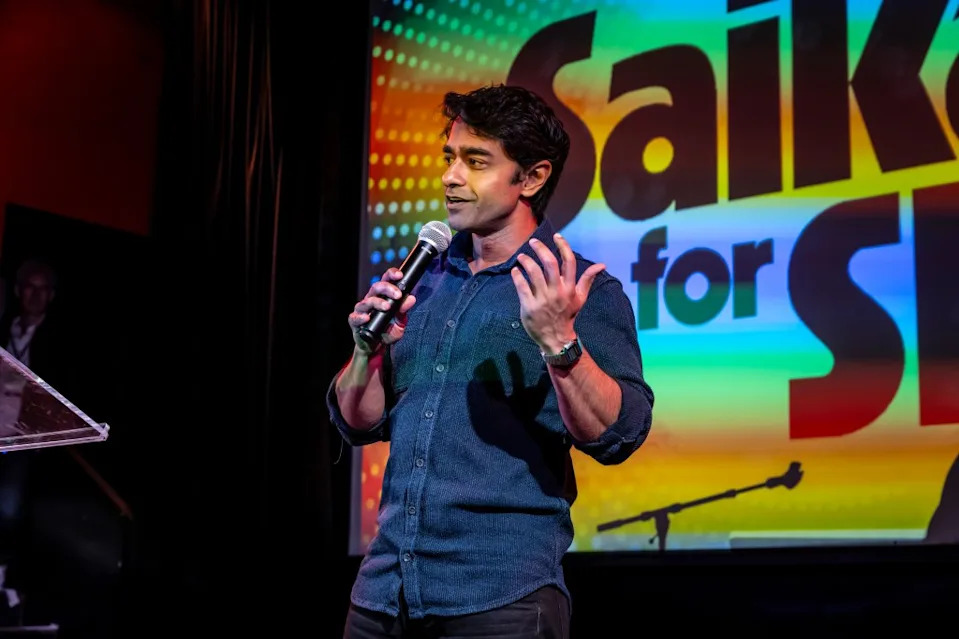
Saikat Chakrabati — who took the Bezos approach of gravitating toward a thicc Latina after making his tech money, serving as AOC’s chief of staff — dropped $10 million on his House race. Carlos Avila Gonzalez/San Francisco Chronicle via AP
These results underscore a simple point: personal wealth can amplify a campaign, but it does not guarantee electoral success. The outcomes complicate narratives that equate big donations with guaranteed control of political outcomes and suggest voters weigh other factors beyond spending.
2. Voter-Registration Anomalies in the Los Angeles Mayoral Contest
By Mike Solana
Reporting raised questions about voter registrations in Los Angeles after councilmember Nithya Raman briefly led in the mayoral race. Investigations found that several thousand voter registrations were tied to addresses listed as homeless shelters — many of which currently provide no beds or sleeping accommodations. One of those sites reportedly received a $600,000 grant while Raman chaired a city homelessness committee, prompting scrutiny and calls for clarification.
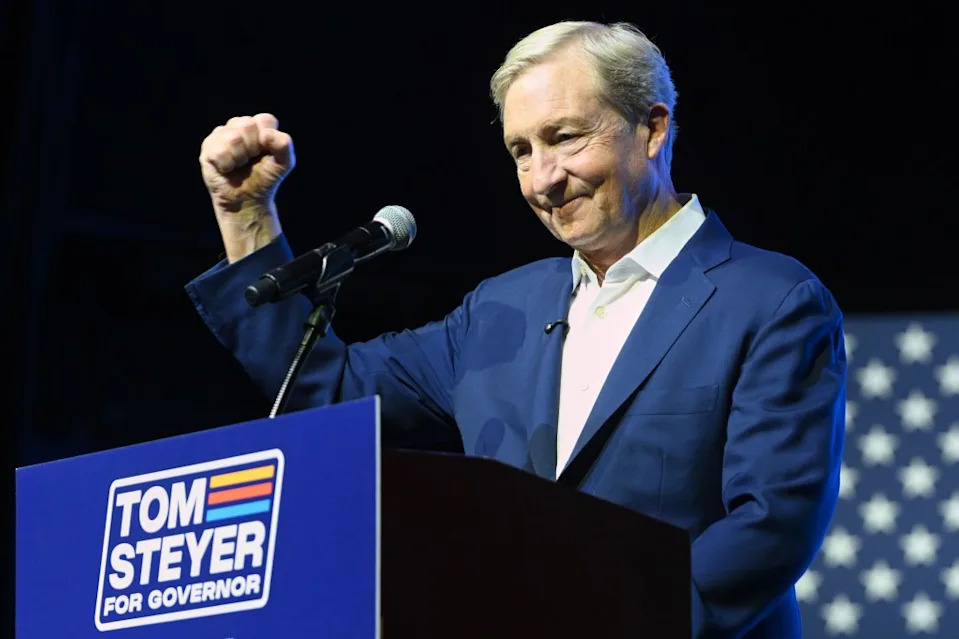
Meanwhile Tom Steyer, the self-professed billionaire “class traitor,” spentover $200 millionon his race for governor. AP Photo/Noah Berger
Critics say the registration patterns and the grant merit closer review to ensure there was no improper influence. Supporters of Raman contend the funding was part of legitimate policy efforts to address homelessness. The situation highlights the challenges of maintaining accurate voter rolls and the political sensitivities that follow targeted funding decisions.
3. Cameras, Drones, And A Drop In Auto Theft
By Max Weiner
A viral clip resurfaced in which former San Francisco felon-turned-rapper Dreamlife Rizzy says drive-by thefts in the Bay Area have declined because of Flock Safety’s license-plate readers and drone use. Flock’s chief security officer, Rahul Sidhu, said, "When the risk of getting caught is too high, crime plummets." Flock points to local data suggesting a 57% drop in auto thefts in Oakland and Berkeley after systems were installed in 2023.
Privacy and civil-liberties activists have pushed back. Will Freeman, a software engineer who founded the DeFlock project to map camera coverage and provide activists with council talking points, argues the surveillance technology is risky, insufficiently tested and raises serious privacy concerns. Freeman — whose base in Boulder, Colorado, has a much lower violent-crime rate than many Bay Area cities — calls for measured oversight and public debate before wider deployment.
What This Adds Up To
Across these items are recurring themes: money doesn’t ensure votes, administrative oddities can fuel political controversy, and technology that promises public-safety gains also generates civil-liberties disputes. Each story illustrates how empirical claims — about influence, voter-roll integrity and crime reduction — deserve careful scrutiny and transparent public discussion.
Help us improve.