The Trump-appointed FEMA Review Council recommended raising the per-capita damage threshold from $1.94 to $2.99, a change that an advocacy group says would have disqualified about 29% of disaster declarations from 2012–2025 (roughly 16 fewer declarations per year). Critics warn the shift would disproportionately harm rural communities, consolidate 15 forms of individual assistance into a single capped payment, and replace Public Assistance with a formula-based one-time grant—potentially leaving local infrastructure repairs underfunded. DHS called the report an important step toward streamlining FEMA.
Analysis: Trump-Appointed FEMA Review Could Have Blocked Nearly 30% Of Past Disaster Declarations
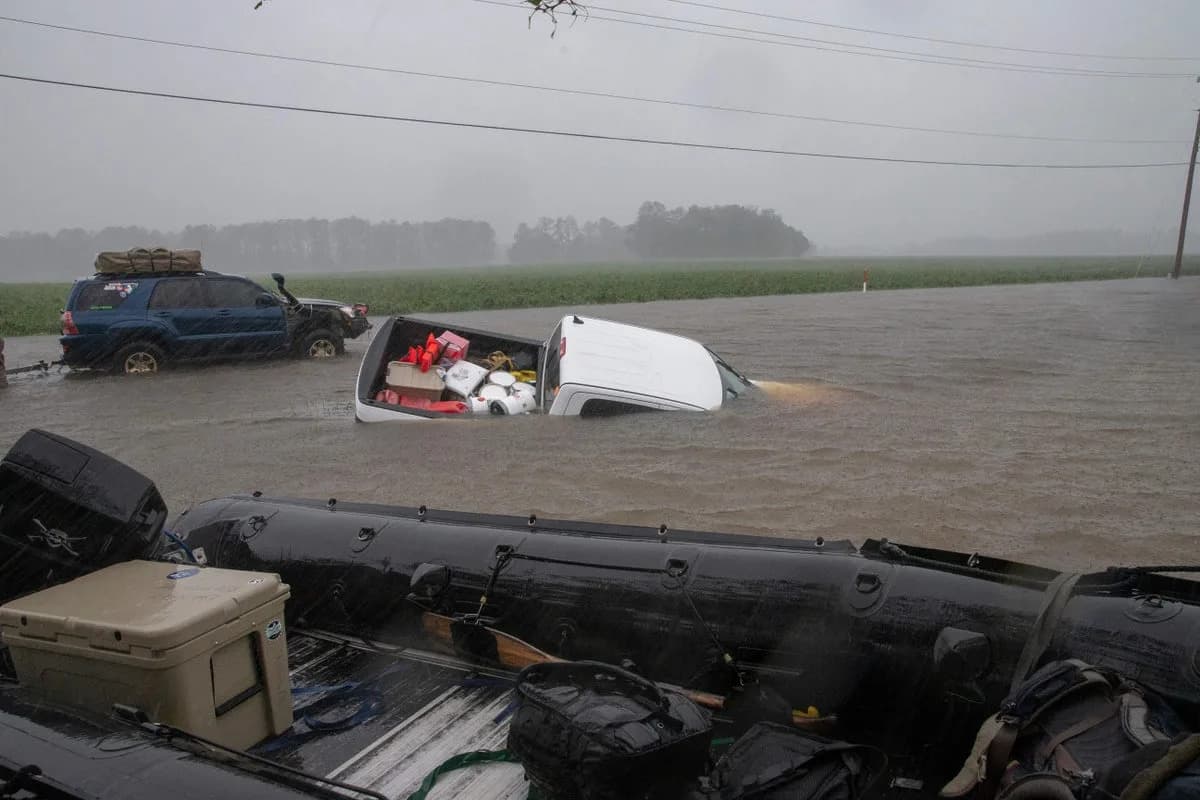
Under Trump’s proposed FEMA 2.0 nearly 30% of previous disaster declarations wouldn’t have been granted, group warns
An administration-led proposal to overhaul the Federal Emergency Management Agency would raise the bar for declaring major disasters and could make federal aid harder to obtain, a progressive advocacy group warns.
What the Review Council Proposed
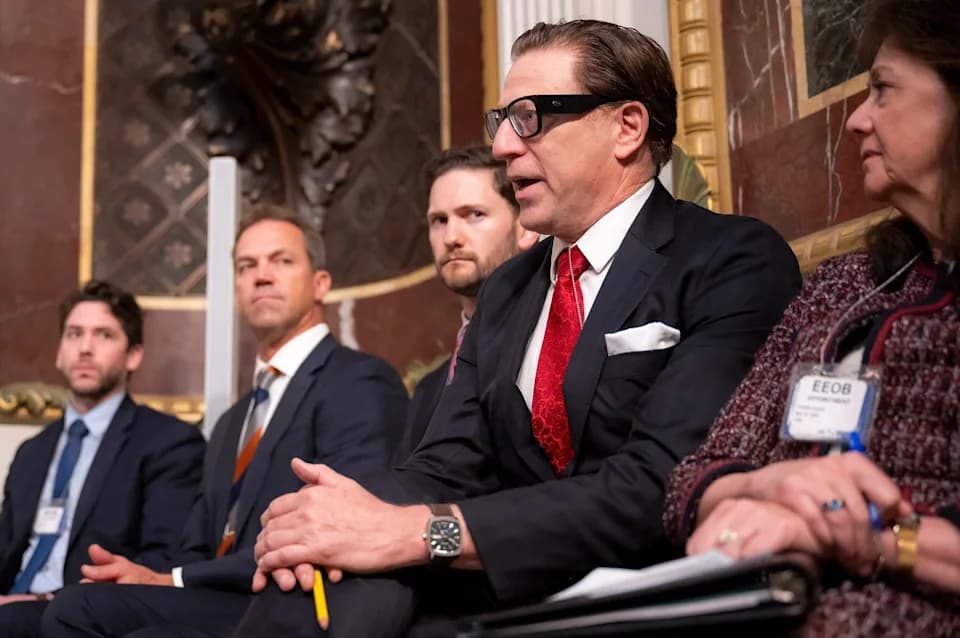
In May, a FEMA Review Council — whose members were appointed by President Donald Trump — released a 75-page report recommending broad changes to the agency. The council framed the overhaul as an effort to reduce “bureaucratic bloat” and shift more responsibility for disaster response to state and local governments. Former Virginia Governor Glenn Youngkin, a council member, said the agency is "broken and needs to be fundamentally transformed."
Key Change: Raising the Per-Capita Threshold
One of the most consequential proposals would increase the so-called per-capita indicator — the metric that compares estimated disaster damage to a state’s population to determine whether federal assistance is warranted. Under the council’s recommendation, the required per-person damage figure would rise from $1.94 to $2.99. Applying that higher threshold to past events, an analysis by the advocacy group Sabotaging Our Safety found roughly 29% of federal disaster approvals from 2012–2025 would not have qualified, equal to about 16 fewer federal disaster declarations per year.
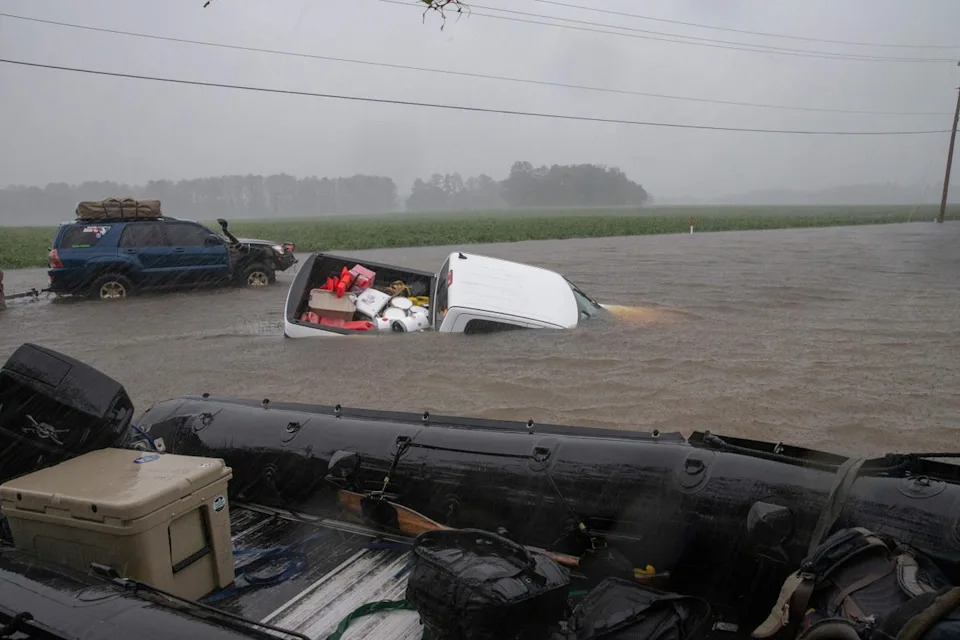
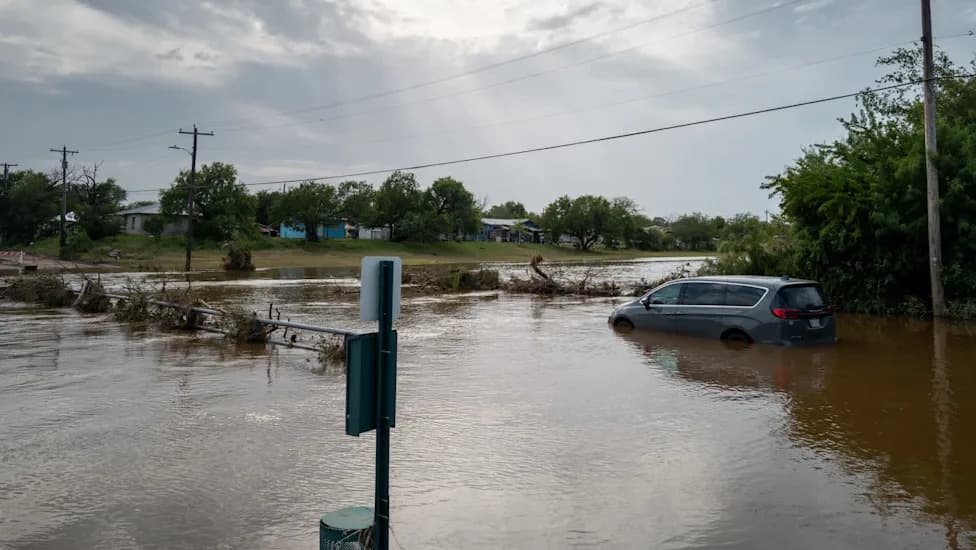
A proposed FEMA overhaul would significantly raise the bar for declaring major disasters — high enough that nearly one-third of declarations from 2012 to 2025 would not qualify, according to a new report. Pictured: A pickup truck is seen submerged in floodwater in Lumberton, North Carolina in the wake of 2018’s Hurricane Florence (AFP via Getty Images)
Who Would Be Hit Hardest?
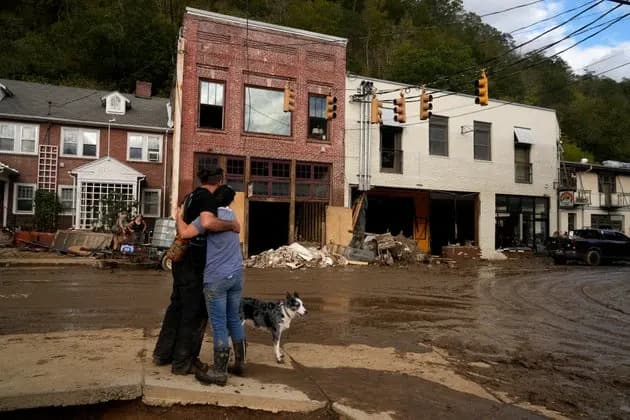
Advocates warn the higher threshold would disproportionately harm rural communities because the per-capita measure is calculated statewide. Severe local damage in a sparsely populated county may not produce sufficient statewide per-capita impact to trigger federal help, even when local needs are acute.
Consolidating Aid And Replacing Public Assistance
The council also proposed consolidating FEMA’s existing 15 categories of individual assistance into a single capped payment. Critics say that could limit aid for housing, medical costs, funeral expenses and vehicle repairs. Another major recommendation would replace FEMA’s Public Assistance program — which reimburses state and local governments for debris removal and infrastructure repairs — with a one-time, formula-based grant.
“The cost of rebuilding a school, a water system, a county road network, or a hospital depends on local construction costs, infrastructure age, code requirements, and supply chain conditions that the pre-set formula doesn't even attempt to capture,” the Sabotaging Our Safety report warns. “Basing payments off the expected magnitude of a disaster, rather than the cost of damage sustained, creates an inherent gap borne entirely by states and localities.”
Other Potential Consequences
The advocacy group also cautioned the changes could raise flood insurance premiums and make coverage less affordable for low-income households in flood-prone areas. Examples of storms that recently received federal aid — such as Hurricane Helene and Tropical Storm Debby — are among events that analysts say could have been affected under the proposed standards.

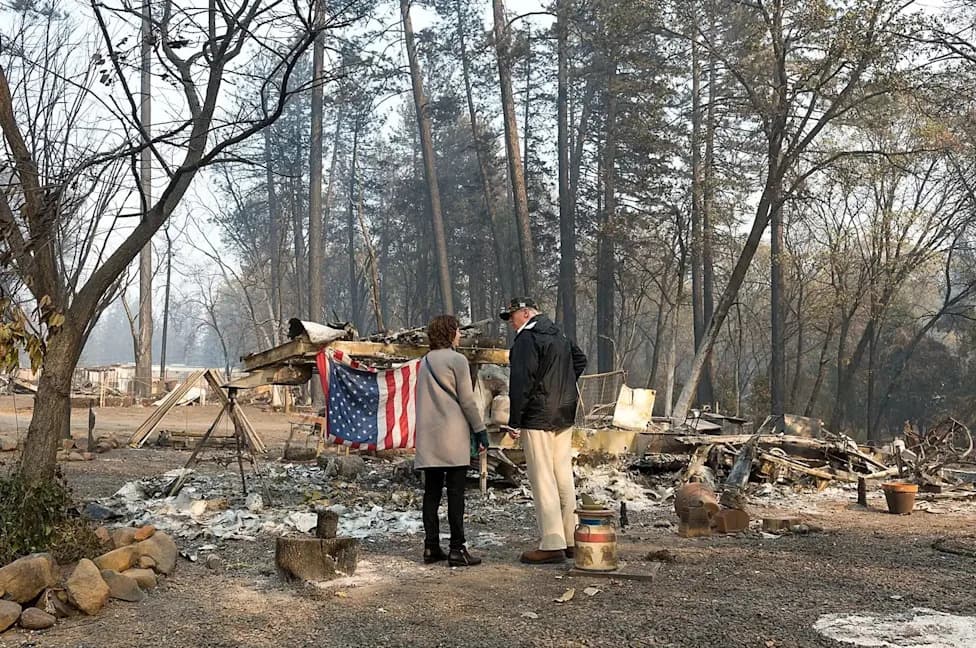
In the past, Trump has called for FEMA to be radically overhauled or dismantled. Pictured: Trump visits with local officials and residents affected by Hurricane Helene in 2014 (Getty Images)
Official Response
A Department of Homeland Security spokesperson described the council’s report as “an important milestone in this Administration's ongoing efforts to strengthen FEMA's mission, operations and accountability,” adding that DHS looks forward to working with state partners under Secretary Markwayne Mullin.
Context And Funding
President Trump has long advocated shrinking or remaking FEMA to reduce state dependence on federal relief, arguing that disaster response is sometimes slowed by red tape and a one-size-fits-all approach. According to the Congressional Budget Office, FEMA spent an average of $12 billion per year on disaster relief from 1991 through 2021. FEMA’s funds are replenished by Congress and federal aid typically is cost-shared with affected states.
Bottom line: If enacted, the proposed changes would narrow eligibility for federal disaster relief, shift greater financial burdens to states and localities, and could leave some communities — particularly rural and low-income areas — with fewer recovery options.
Help us improve.