California began a $33 million, two‑year pilot on June 1 that uses algorithm‑driven ramp meters and dynamic digital speed limits along eight miles of northbound I‑15 in Temecula. The system relies on roadway sensors to time merges and recommend merge speeds, trading occasional longer ramp waits for smoother mainline flow and shorter overall trip times. If the trial succeeds, officials plan to expand the approach to other congested corridors.
California Tests $33M 'Smart Freeway' on I‑15 — Algorithm‑Paced Ramp Meters and Dynamic Speed Limits Aim to Cut Congestion
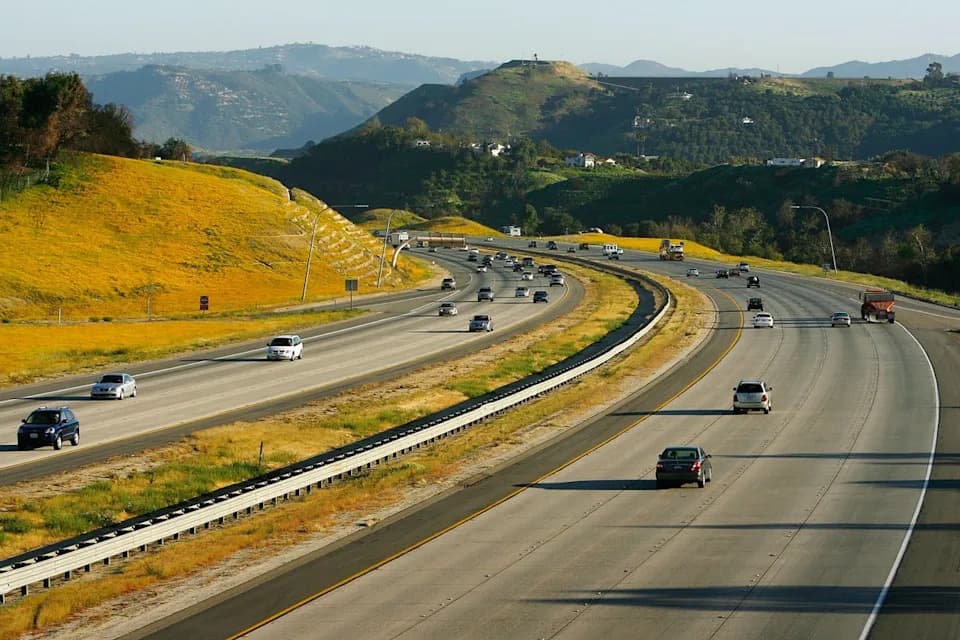
A stretch of a California interstate will be piloting a ‘smart freeway’ program that will use an algorithm to try and improve traffic flows (Getty)
California transportation officials have launched a $33 million, two‑year pilot of a "smart freeway" on an eight‑mile northbound stretch of I‑15 near Temecula. The system uses roadway sensors and an algorithm to pace vehicles onto the highway and to display dynamic speed recommendations designed to smooth traffic flow and reduce stop‑and‑go congestion.
How the Pilot Works
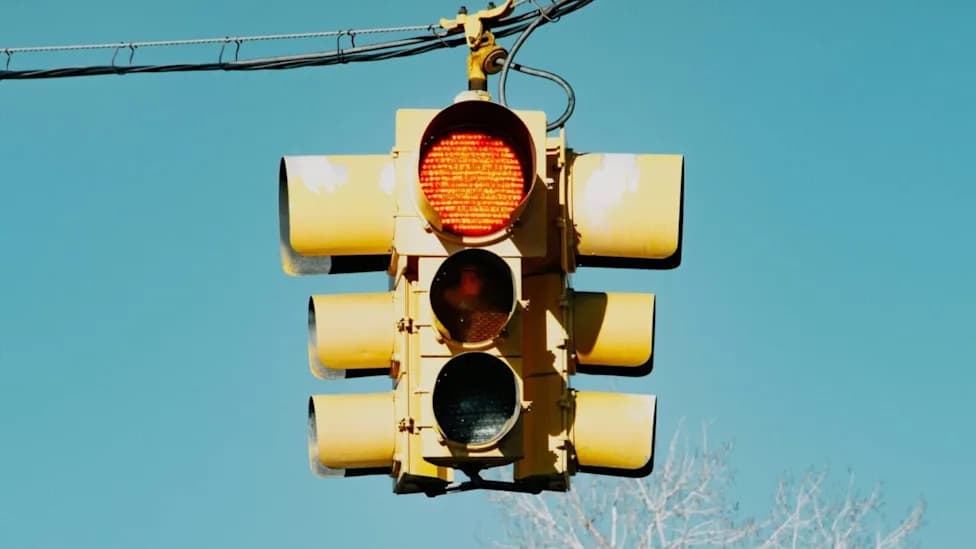
Meters installed at three on‑ramps are coordinated by an algorithm that decides when cars may enter the freeway and what merge speed to recommend. Unlike conventional ramp signals that run on fixed timers, this system adjusts entry timing and suggested speeds based on real‑time traffic conditions detected by embedded sensors.
Why Officials Are Trying It
Rather than spending hundreds of millions to add lanes to I‑15, the Riverside County Transportation Commission invested $33 million in this pilot to see whether smarter use of existing infrastructure can cut travel times. Under normal conditions the test segment takes about 10 minutes; during peak congestion it can swell to 25–45 minutes.
“This system is a lot less expensive than trying to build new lanes, and the idea here is let’s make the system that we have work better,” said David Knudsen, a spokesperson for the Riverside County Transportation Commission. He emphasized the pilot is driven by sensors and an algorithm, not an autonomous AI system.
Traffic Management Tools
In addition to ramp metering, the pilot deploys dynamic digital speed limits along the corridor to help keep traffic moving at a consistent pace. Coordinated metering across the three ramps aims to prevent mainline stop‑and‑go patterns that slow everyone down.
Early Evidence and Next Steps
Similar systems have been used overseas and in parts of the U.S. — for example, Denver implemented a comparable program on I‑25 that reported roughly a 20% reduction in travel time. The Riverside pilot will collect performance data over two years; if results meet expectations, the agency plans to expand the approach to other congested corridors in California and potentially beyond.
What Drivers Should Expect: Shorter overall travel times if the system works as intended, but occasional longer waits at ramp meters to allow smoother freeway flow once on the mainline.
Help us improve.