Kansas City is deploying an integrated counter-drone system for the 2026 World Cup to protect stadiums, hotels, transport corridors and fan zones. DroneShield and Airspace Link’s AirHub Portal will combine RF sensing, Remote ID and FAA data to provide real-time situational awareness. Responses range from electronic disruption to interceptor “hunter-catcher” drones, with an explicit focus on safety over crowds. Temporary FAA rules will create roughly 3.5-mile no-fly zones and 3,000-foot altitude limits; violations can carry six-figure fines and possible prison time.
Inside Kansas City's High-Tech Counter-Drone Shield Ahead Of World Cup 2026
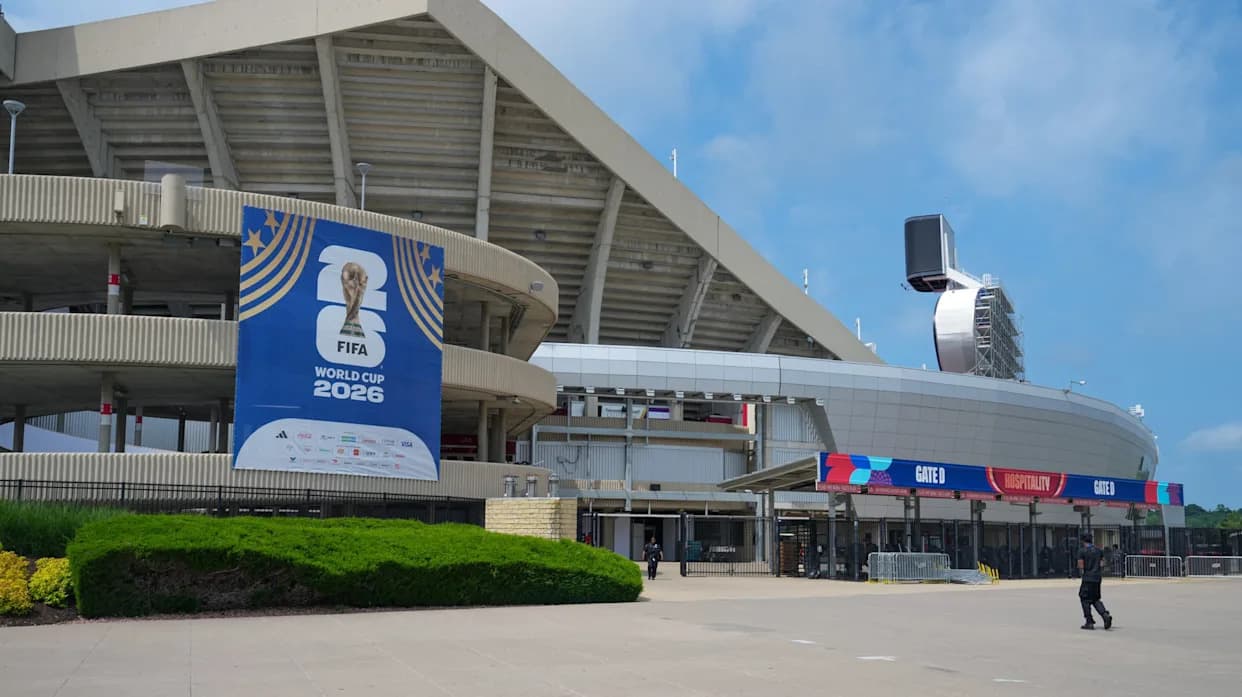
IMAGN IMAGES via Reuters Connect
Kansas City is rolling out a citywide counter-drone security program ahead of the 2026 World Cup to protect stadiums, hotels, transport corridors and public fan zones from unauthorized or hostile unmanned aircraft.
How The System Works
The setup combines multiple detection and response tools that operate together to give authorities a real-time view of low-altitude airspace across the city.
Detection: One primary platform is DroneShield, which uses radio-frequency (RF) sensing and automated detection to locate and track drones moving through congested urban airspace. Complementing that feed, the AirHub Portal from Airspace Link integrates live FAA flight data with Remote ID signals to create a shared, continuously updated picture of what’s flying and whether it’s authorized.
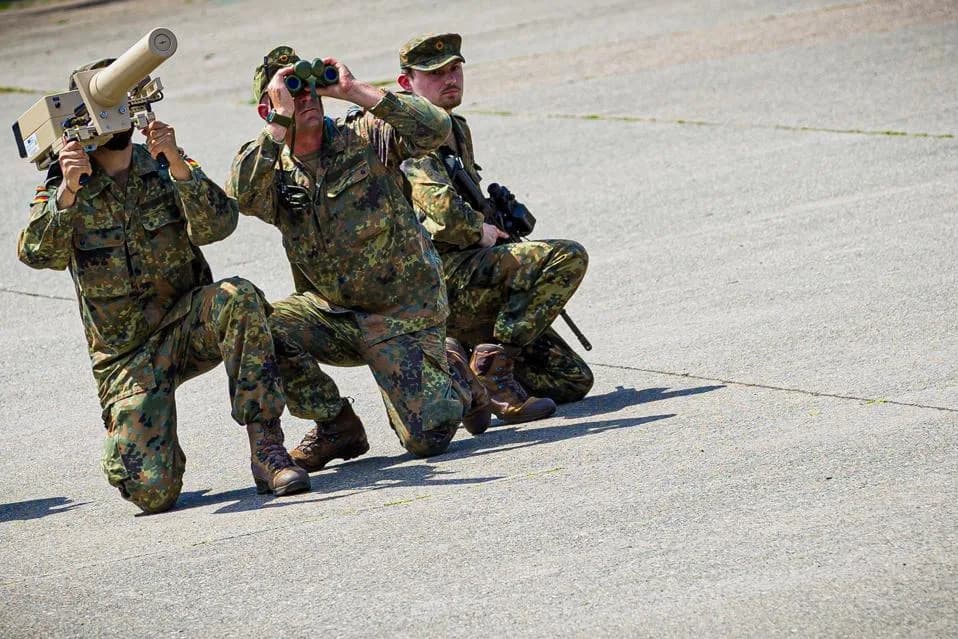
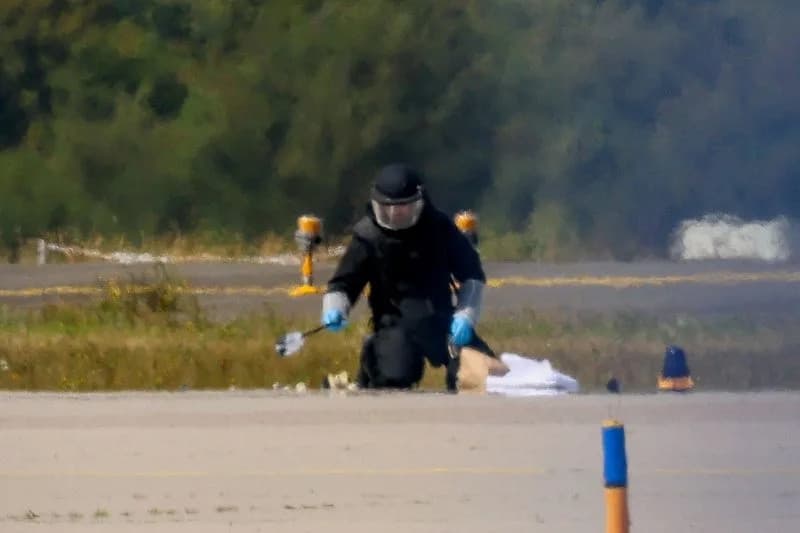
Response: When an aircraft enters restricted airspace, officials can choose from several graduated responses depending on the threat level. Options include electronic disruption tools that interfere with a drone’s control link and interceptor “hunter-catcher” drones that net and recover rogue aircraft. The strategy deliberately avoids destructive measures over crowds, prioritizing containment and safety.
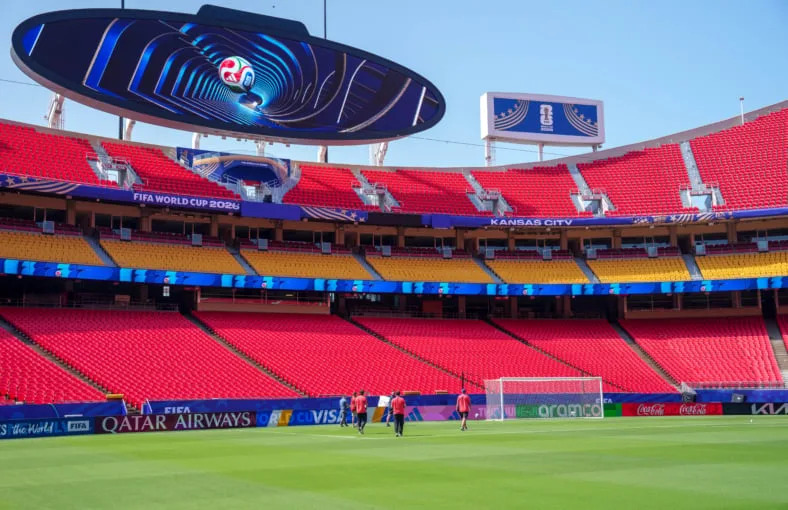
FIFA World Cup 2026-Kansas City Stadium Tour. IMAGN IMAGES via Reuters Connect
Coordination, Rules And Funding
Operation of the system is coordinated across multiple agencies rather than managed by a single department. The Department of Defense, local police, federal partners and agencies including the FBI are working through a joint interagency effort known as JIATF 401 to ensure fast information-sharing between city, county and state levels—particularly on match days.
Federal support comes from programmes including FEMA and the Department of Homeland Security’s counter-drone grants, which help fund equipment, training and interagency integration.
Protected Areas And Enforcement
Surveillance and protection zones extend well beyond the stadium footprint: they cover fan zones, transport hubs, major routes through the city and the hotels and training bases used by visiting teams. Visiting squads that have chosen regional bases include England, Argentina, the Netherlands and Algeria.
The FAA will impose temporary no-fly rules on match days, including a roughly 3.5-mile radius around stadiums and altitude limits up to 3,000 feet. Flying a drone inside those areas without authorization will be treated as a federal offense, with penalties that can include six-figure fines and potential prison time. Officials say enforcement will be strict during live matches and major public events.
Legacy And Future Use
Although the system is being deployed for the World Cup, city planners expect much of the infrastructure and coordination framework to remain afterward and evolve into a long-term urban airspace-management capability. The tournament will effectively act as a stress test for how cities manage increasingly crowded skies as drones become a routine part of everyday life.
Help us improve.