Key findings: In a mid-stage randomized trial, six BCG injections over five years reprogrammed white blood cells and significantly reduced HbA1c and insulin needs in adults with long-standing type 1 diabetes, improving time-in-range without raising hypoglycemia. A pilot study of a lab-grown 15-strain bacterial mixture prevented recurrent C. difficile in 7 of 9 patients, comparable to standard fecal transplants and without treatment-related adverse events. A first-in-human combined Lassa/rabies vaccine produced rapid, robust antibody responses in 54 volunteers with no serious adverse events; the vaccine can be freeze-dried to aid distribution.
Century-Old BCG Vaccine Reprograms Immune Cells, Dramatically Improves Blood Sugar in Long-Standing Type 1 Diabetes
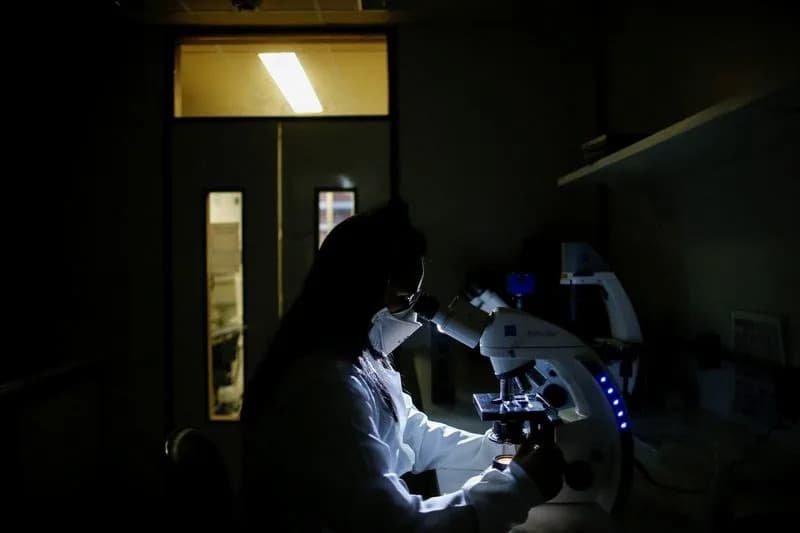
FILE PHOTO: A scientist looks through a microscope in a laboratory, in Brasilia, Brazil, June 30, 2021. REUTERS/Adriano Machado/File Photo
Researchers report that a long-established immunotherapy appears to reprogram white blood cells and substantially improve blood glucose control in adults who have had type 1 diabetes since childhood, even when pancreatic function is absent.
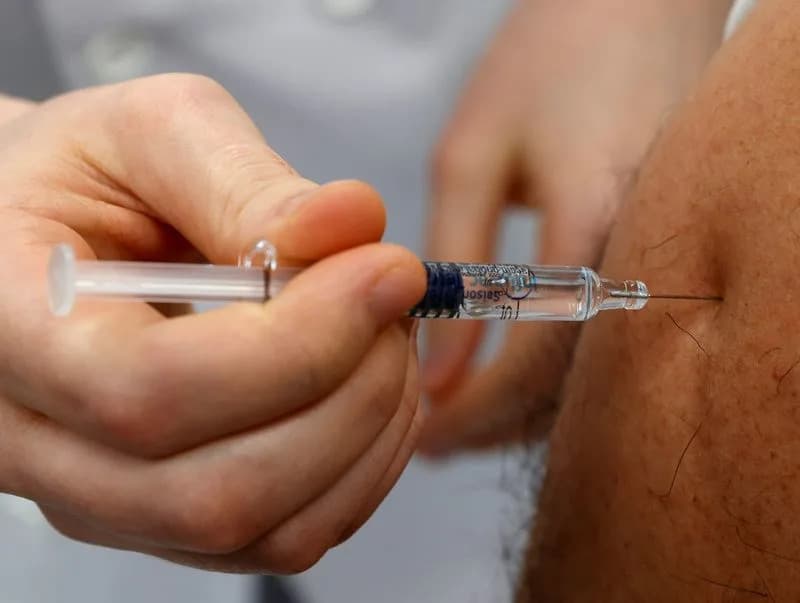
In a mid-stage, randomized trial presented at the American Diabetes Association meeting, 34 adults with long-standing juvenile-onset type 1 diabetes received six Bacillus Calmette-Guérin (BCG) injections over five years; 24 volunteers received placebo shots. Compared with controls, the BCG group had significant reductions in HbA1c (a standard measure of average blood glucose), required less injected insulin, and showed large gains in continuous glucose monitoring time-in-range—reported as up to a 183.7% improvement over baseline—without an increase in hypoglycemia.
How it may work
Study leader Dr. Denise Faustman of Massachusetts General Hospital said the treatment activates immune changes that ultimately reprogram malfunctioning white blood cells. Unlike prior immunotherapy approaches aimed mainly at stopping autoimmune attack on pancreatic beta cells, this strategy appears to correct a metabolic defect in white blood cells themselves: in people with type 1 diabetes those cells preferentially burn fat rather than glucose. Restoring normal immune-cell metabolism may help stabilize blood sugar independently of pancreatic insulin production.
"White blood cells in people with type 1 diabetes have a metabolic defect," Dr. Faustman said. "Their white blood cells consume fat in the blood for fuel. In healthy people, white blood cells consume sugar."
The investigators noted the improvements were not seen in the placebo group. They described BCG as a well-established, widely used vaccine (originally developed in 1921 to prevent tuberculosis) with a favorable safety profile when given in limited doses. The team cautioned that results come from a relatively small mid-stage trial and that larger studies are needed to confirm benefits and long-term outcomes.
Lab-Grown Bacteria Could Replace Stool-Based FMT for Recurrent C. difficile
A separate pilot study tested a manufactured bacterial product made from 15 defined strains originally isolated from healthy donors and then mass-produced under controlled laboratory conditions. This product aims to offer a standardized, scalable alternative to fecal microbiota transplants (FMT), which use donor stool to restore healthy gut flora after recurrent Clostridioides difficile infection.
Eight weeks after treatment, recurrence of C. difficile-associated diarrhea was prevented in seven of nine patients who received the lab-grown mixture and in eight of nine who received standard stool-based microbiota, according to a report in Nature Medicine. There were no treatment-related adverse events. Investigators say a defined, factory-produced product could improve safety, quality control and scalability compared with donor stool preparations.
First-In-Human Lassa/Rabies Vaccine Shows Promising Safety and Immune Response
An experimental combined vaccine for Lassa fever and rabies was tested in a randomized U.S. first-in-human trial of 54 healthy volunteers. The vaccine induced rapid, robust antibody responses against both viruses and produced no serious adverse events in the trial period reported. Participants will be monitored for about 13 months post-vaccination to assess persistence of immune responses; if durable, researchers plan larger trials.
Developers highlighted that the investigational vaccine can be freeze-dried for storage, which would ease distribution in regions where maintaining cold chains is challenging. Lassa virus, for which there is currently no licensed vaccine, is a World Health Organization-identified public health threat in parts of West Africa where severe disease can occur; those regions also often face a high burden of rabies.
Reporting by Nancy Lapid; additional reporting by Shawana Alleyne-Morris. Trial results were presented at scientific meetings and published in peer-reviewed outlets; investigators emphasize the need for larger, confirmatory studies.
Help us improve.