Utsunomiya City, north of Tokyo, closed nearly 100 public elementary and junior high schools after a series of bear sightings across the city. Police and local hunters captured one bear after patrolling the area; footage shows it being tranquilized and removed. Japan has seen a nationwide surge in bear attacks—driven by rising bear numbers, climate-related food shortages and rural depopulation—with at least three deaths and about 20 attacks reported between April and June 2.
Nearly 100 Schools in Utsunomiya Closed After Multiple Bear Sightings Amid National Surge
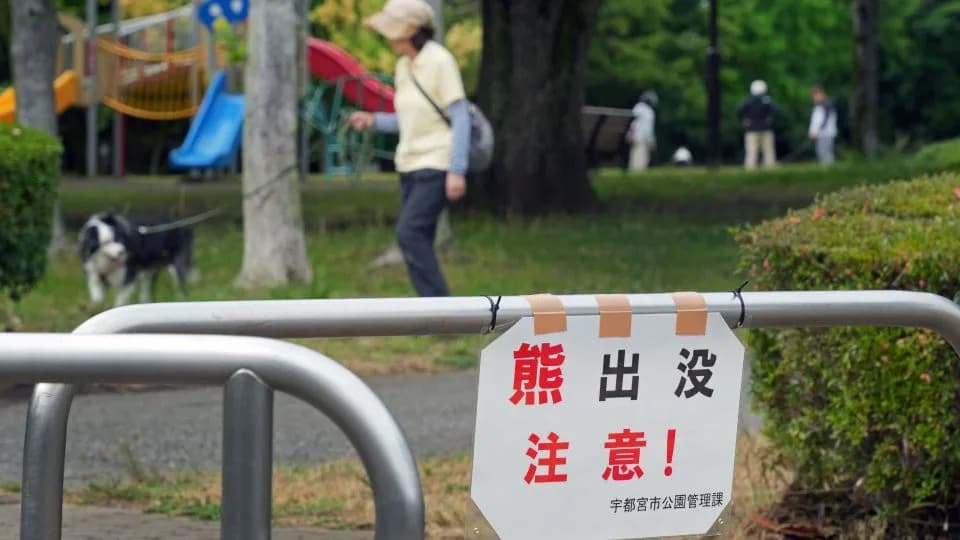
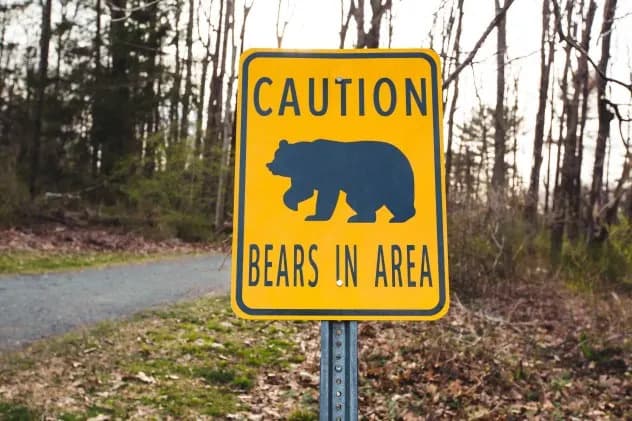
A sign warning of bears is posted at the entrance of a park in Utsunomiya City, Japan on June 8, 2026. - Kotaro Numata/Yomiuri Shimbun/AP
Utsunomiya City, north of Tokyo, temporarily closed nearly 100 public elementary and junior high schools after multiple bear sightings were reported across the city, officials said.
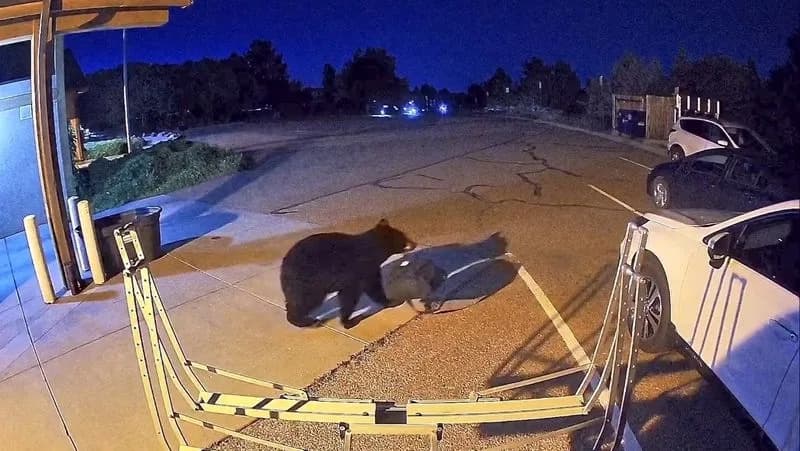
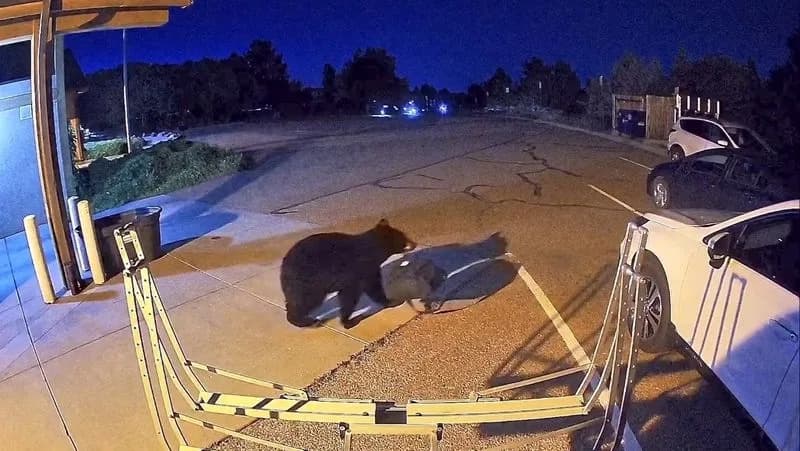
The city of about 500,000 logged its first recent sighting on Saturday, according to the city’s Wildlife Management Group. A day later a bear was seen on the grounds of a junior high school, and security cameras captured another animal in a downtown shopping district that night. Further sightings across Utsunomiya prompted the city board of education to order all public elementary and junior high schools closed starting Monday; officials said they would reassess the situation later in the week.
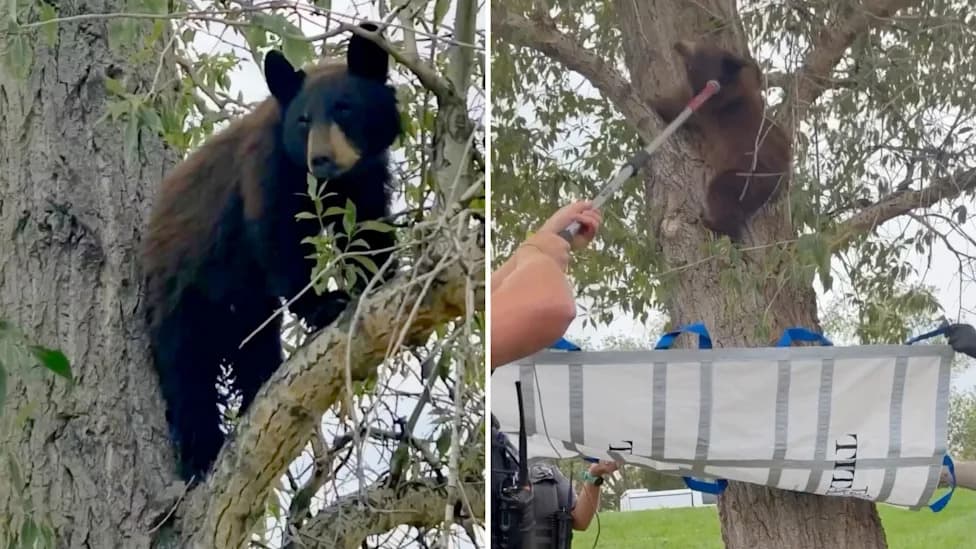
Police officers and members of the local hunting association patrolled the city and captured a bear on Tuesday evening. Footage reported by Reuters shows hunters tranquilizing the animal with a dart gun and loading it onto a truck for removal.
National Context
Japan has been grappling with a rise in bear encounters and attacks that reached record levels last fall. The situation prompted an unusual national response, including the deployment of military personnel to some hard-hit areas and travel advisories from foreign governments after viral videos showed bears in supermarket aisles and on school grounds.
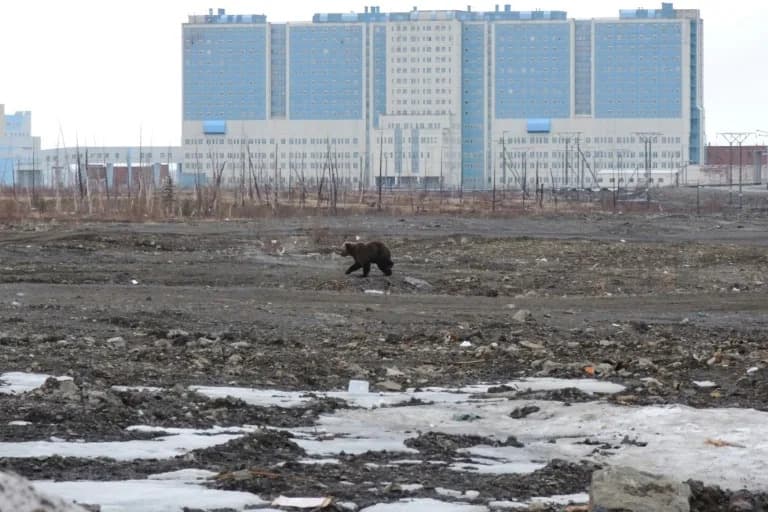
Experts say several factors are contributing to the surge: the bear population has grown as hunting has declined; climate change and poor harvests have reduced natural food sources and driven bears into populated areas; and rural depopulation has made it easier for bears to enter towns and villages.
Recent Toll And Safety Advice
Between April and June 2, public broadcaster NHK reported that at least three people were killed and about 20 others were attacked across at least nine prefectures. On June 2, a bear attack at a steel factory in Fukushima—roughly 170 kilometers (105 miles) from Utsunomiya—injured four people. Several other incidents involved people foraging in mountainous areas.
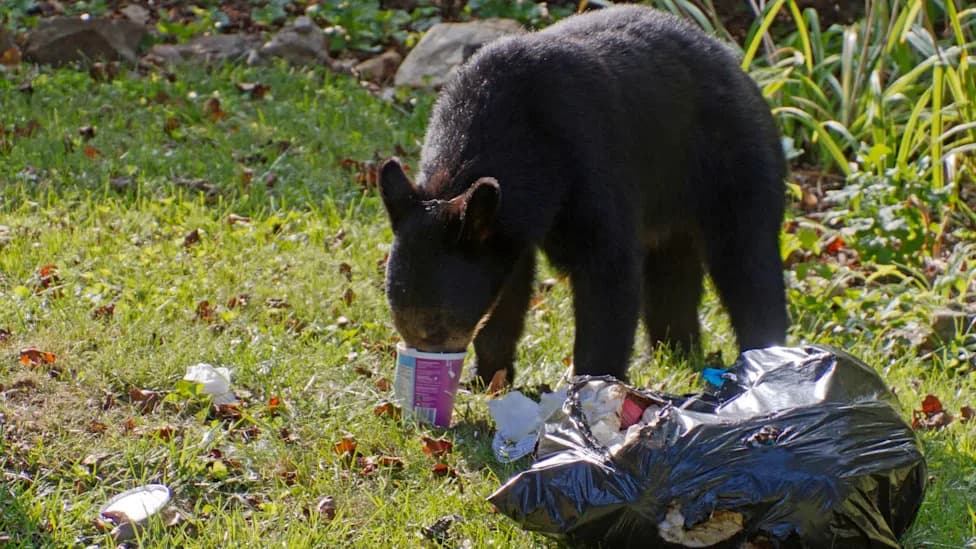
Utsunomiya officials have urged residents to lock doors and windows, avoid leaving garbage outside overnight, and stay alert in areas where bears have been seen. Authorities continue to monitor the situation and will determine school reopenings based on safety assessments.
Background: The capture in Utsunomiya and the broader national spike underscore growing conflicts between humans and wildlife as environmental and demographic changes alter animal behavior.
Help us improve.