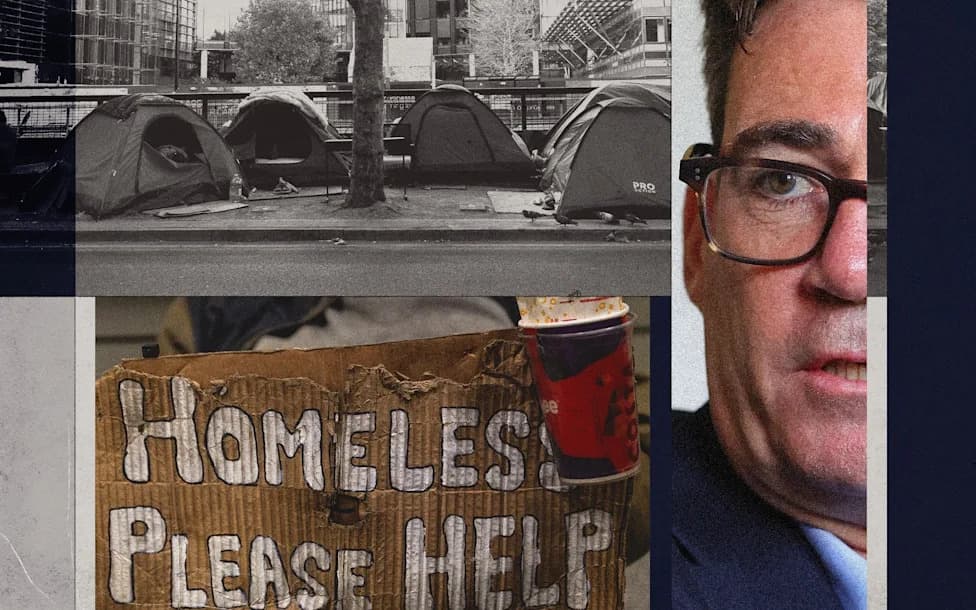
New research by Solace Women's Aid and the Single Homeless Project found 1,406 women had slept rough in the previous three months across councils surveyed in a September 2025 week-long census. The charities say the government's single-night counting method underestimates female rough sleeping — in comparable areas they found around ten times as many women, and uncovered 162 in areas where official data recorded none. Campaigners link most cases to domestic abuse and call for counting changes and tailored support to improve safety and access to services.
Charity Census Reveals Thousands Of Hidden Homeless Women Missed By Official Counts
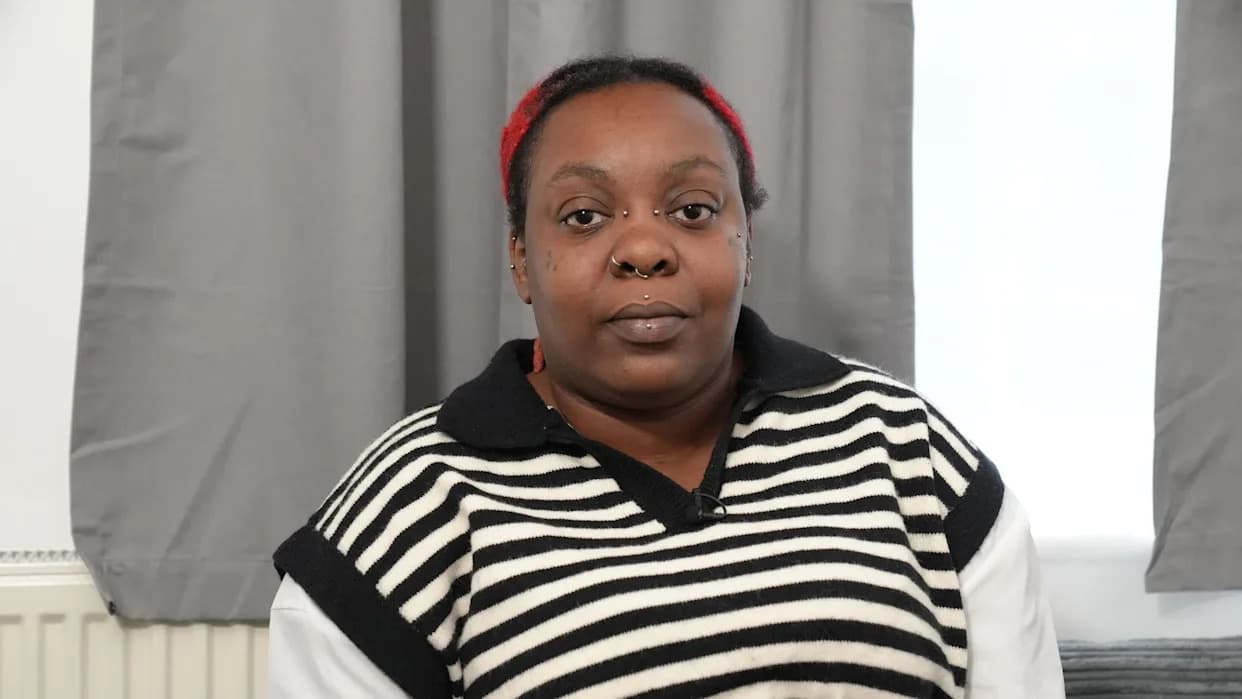
Victoria roamed London's streets for three years [BBC]
For three years Victoria lived on and around London's King's Cross station, yet many passers-by never recognised her as homeless. "When people used to see me, they didn't believe I was homeless," the 31-year-old says. She neither drank nor used drugs and often passed as a traveller — a pattern campaigners say helps hide many women from official counts.
New research from two charities, Solace Women's Aid and the Single Homeless Project, suggests far more women sleep rough than government figures indicate. The charities ran a week-long women-focused rough sleeping census in September 2025, working with all 33 London councils and 68 other local authorities (about a third of councils in England). Across the areas surveyed they recorded 1,406 women who had slept rough in the previous three months.
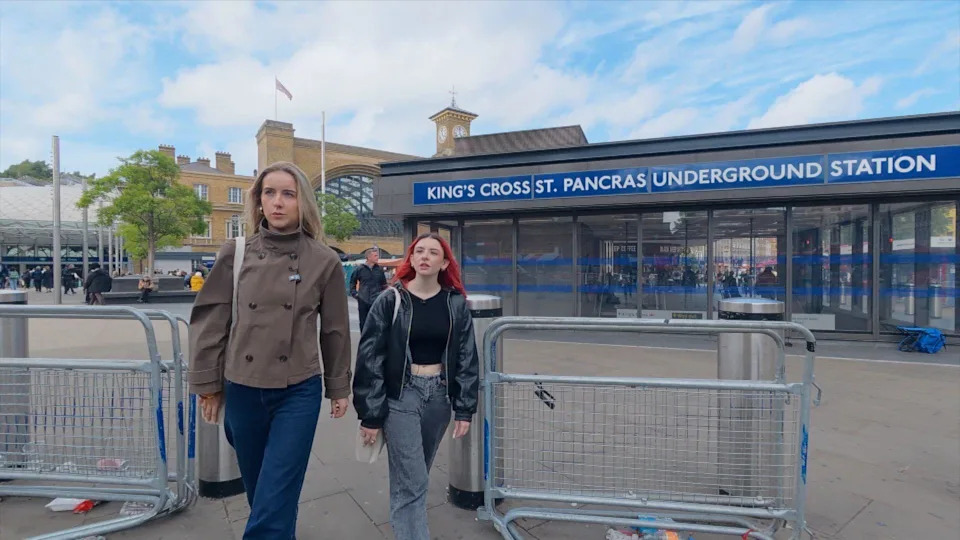
Homeless outreach workers Eabha and Elise [BBC]
Why Women Are Often Missed
The charities say the government's single-night snapshot — which counts people sleeping or about to bed down in the open air or in unsuitable buildings on a single night — underestimates the scale of female rough sleeping. Where the charities could compare their results with official data, they found roughly ten times as many female rough sleepers. In the boroughs included in the survey, almost double the number recorded on the government's single-night snapshot had slept rough over the prior three months. The official autumn 2025 snapshot recorded 733 women sleeping rough on a single night across England.
The charities also identified 162 women sleeping rough in six local authority areas where official data recorded none. Outreach workers patrolling around King's Cross, such as Eabha and Elise, describe women tucked away in parks, behind bushes, on night buses or trains, or waiting in A&E departments to avoid being moved on.
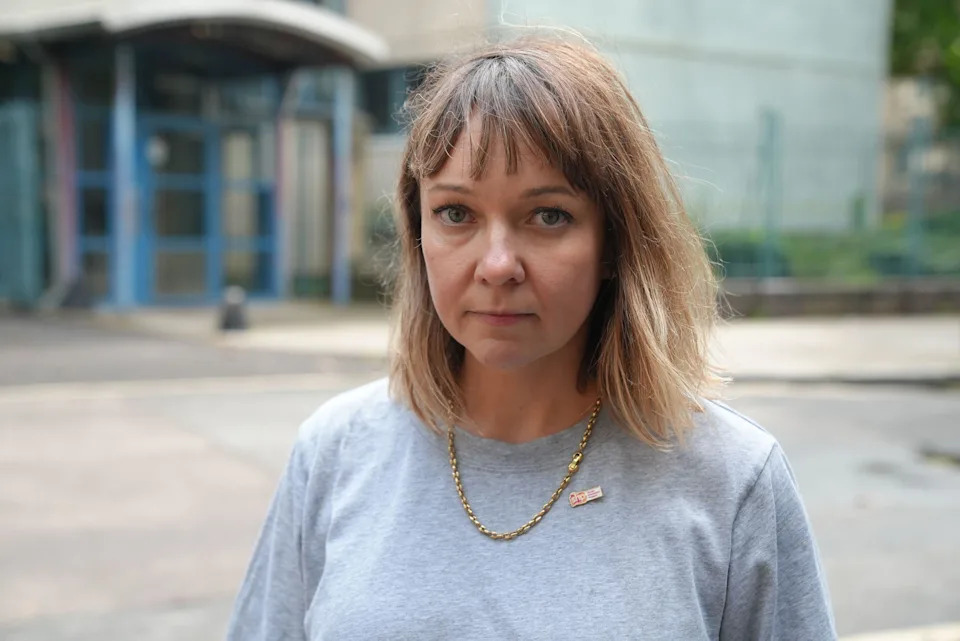
Lucy Campbell from the Single Homeless Project [BBC]
Risks And Causes
Visible homelessness can increase danger. Victoria describes being harassed and assaulted: "I had people vomit next to me or peeing next to me... Men were harassing me, they'd just put their hands around me, touch me." Campaigners say domestic abuse is the leading driver of women's rough sleeping and that services are not designed to detect or meet women’s specific needs.
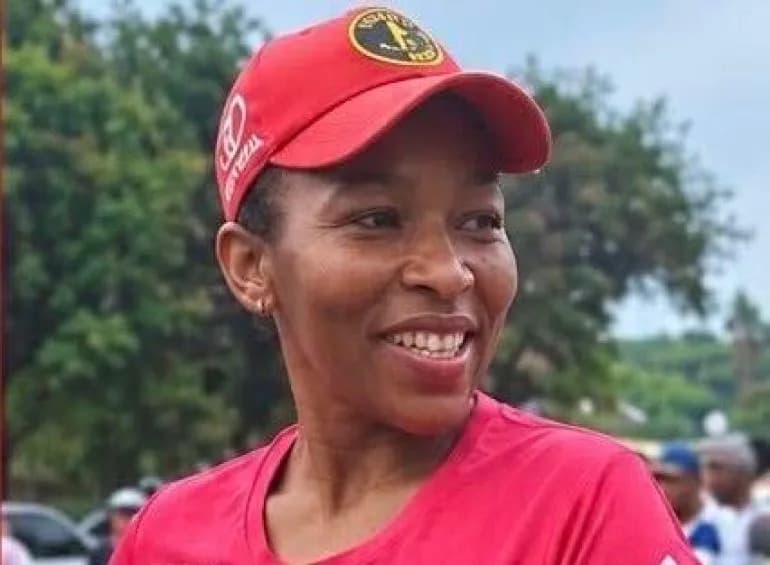
"As a woman rough sleeper, you're far, far less likely to be discovered rough sleeping — and that's your route into services, into support, into accommodation," says Lucy Campbell of the Single Homeless Project.
What The Charities Recommend
By mapping a broader range of sleeping locations and using local knowledge, the charities argue they have produced a more accurate picture of female rough sleeping. They want the definition and counting methods for rough sleeping changed so policy and funding reflect women's experiences and needs. Rebecca Goshawk from Solace Women's Aid stresses that better support for survivors of domestic abuse is essential to meet wider government targets on safety and homelessness reduction.
Government Response
Homelessness Minister Alison McGovern told the BBC: "No one should have to endure rough sleeping, and as this census outlines, women can have different experiences and needs." She said the government is "working with councils to support women into suitable accommodation" and highlighted a £3.6 billion investment aimed at ending homelessness.
Takeaway: The charities' week-long census suggests many women who sleep rough are hidden from official single-night counts. Campaigners say counting methods, service design and domestic-abuse support must change if targets to halve long-term rough sleeping and reduce violence against women are to be met.
Help us improve.