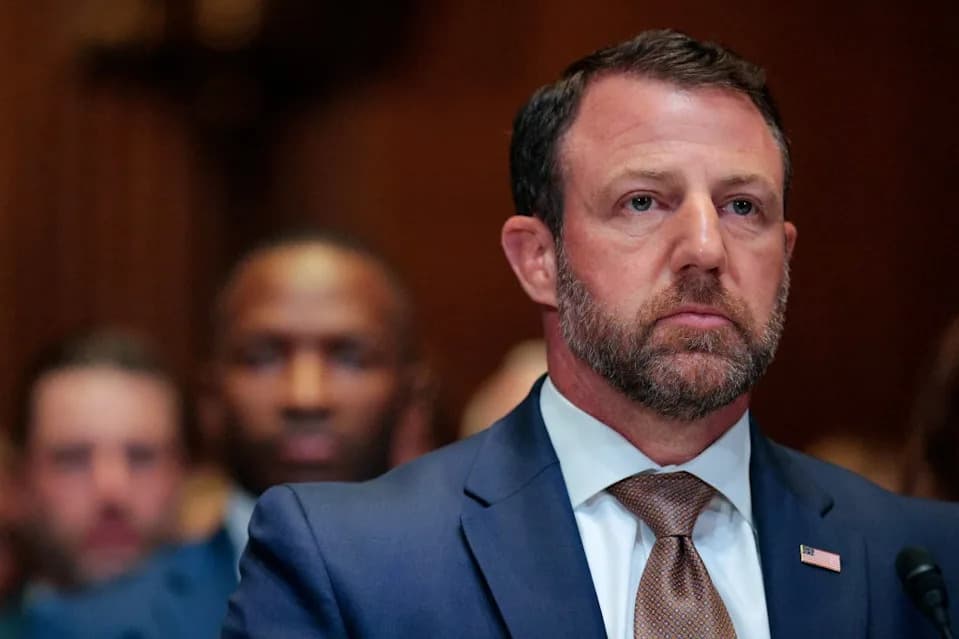
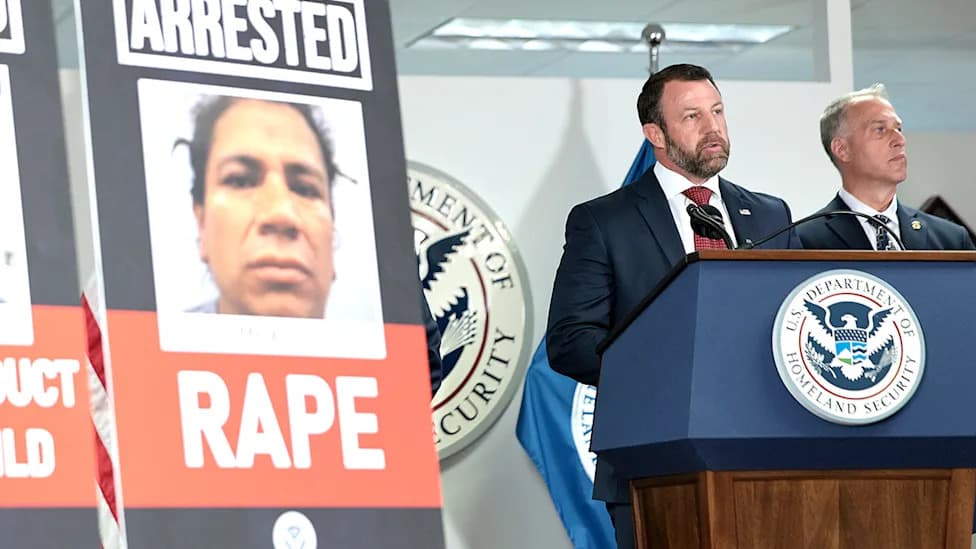
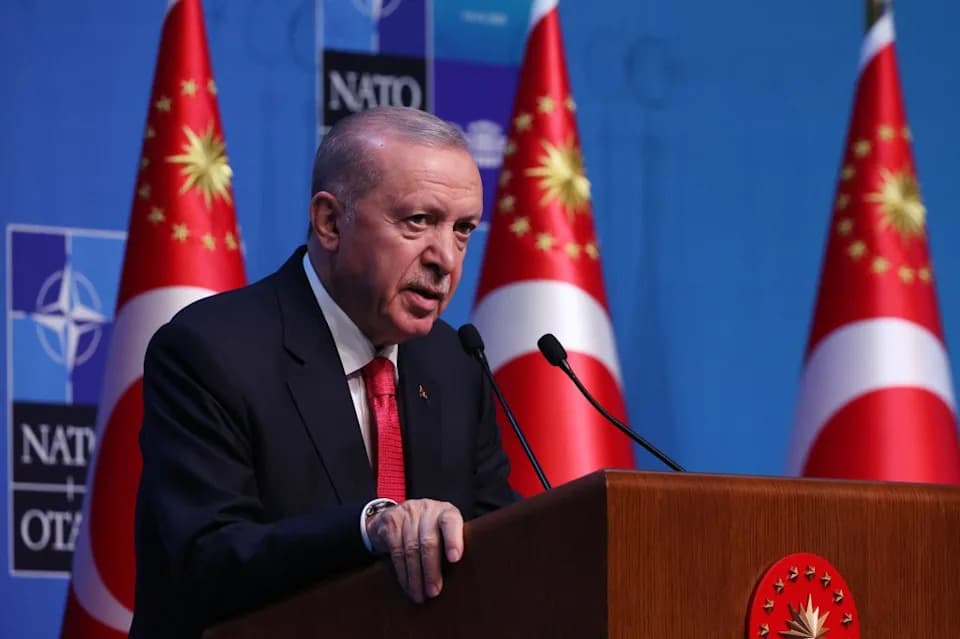
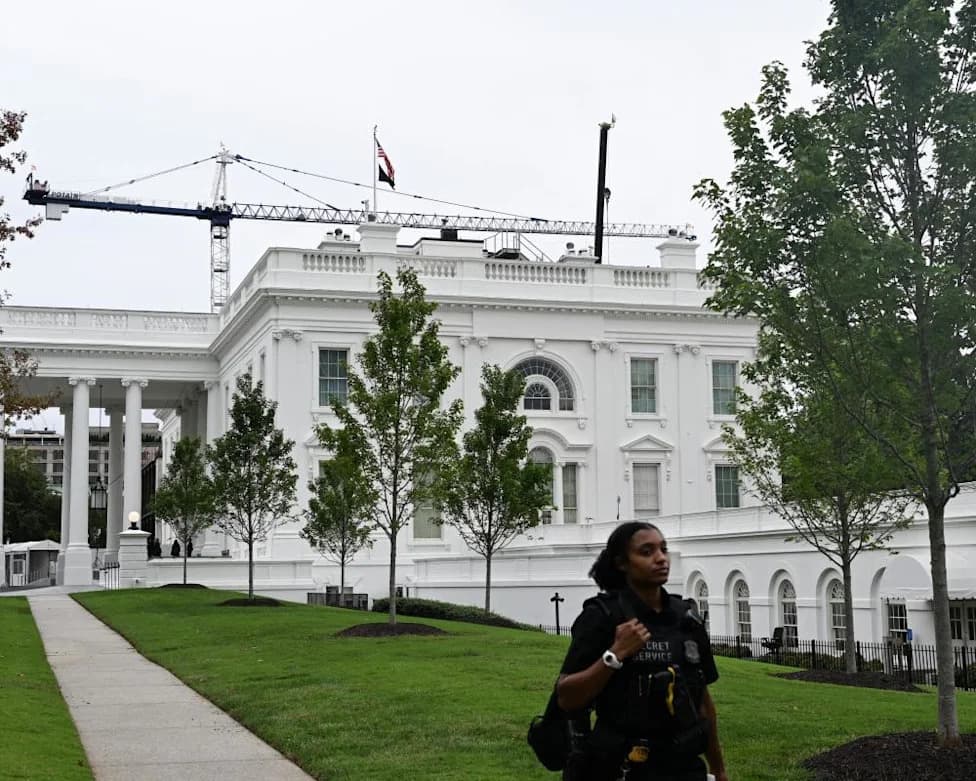
Homeland Security Secretary Markwayne Mullin’s proposal to remove U.S. Customs and Border Protection (CBP) personnel from international terminals in so‑called sanctuary cities has drawn increased backing from some Republican senators — even as transportation officials, industry groups and Democrats warn the move could cause severe disruption to international travel, cargo and supply chains.
The idea, first raised publicly in April after Mullin assumed his duties, would target airports in major gateway cities including New York, Los Angeles, Chicago and San Francisco. Under federal law, all international passengers and cargo must clear customs and immigration inspection on arrival; without CBP staffing at a port of entry, airports could not legally process international flights, forcing diversions or cancellations.
Republican Backing And Party Response
Several GOP senators have voiced support in recent days. South Carolina Sen. Lindsey Graham told Fox News Digital that jurisdictions that undercut federal law should face consequences. Nebraska Sen. Deb Fischer said sanctuary jurisdictions have made a choice and are now “getting a response” from DHS. Indiana Sen. Jim Banks praised Mullin’s approach as a credible pressure tactic.
Democratic And Industry Pushback
Democrats and industry representatives have sharply criticized the proposal. New Jersey Rep. Mikie Sherrill called removing CBP officers from Newark Liberty International “completely ridiculous,” warning that it could effectively close an international terminal. Transportation Secretary Sean Duffy cautioned against curtailing air travel over political disputes, telling the Associated Press: “We shouldn’t shut down air travel in a state that doesn’t agree with our politics.”
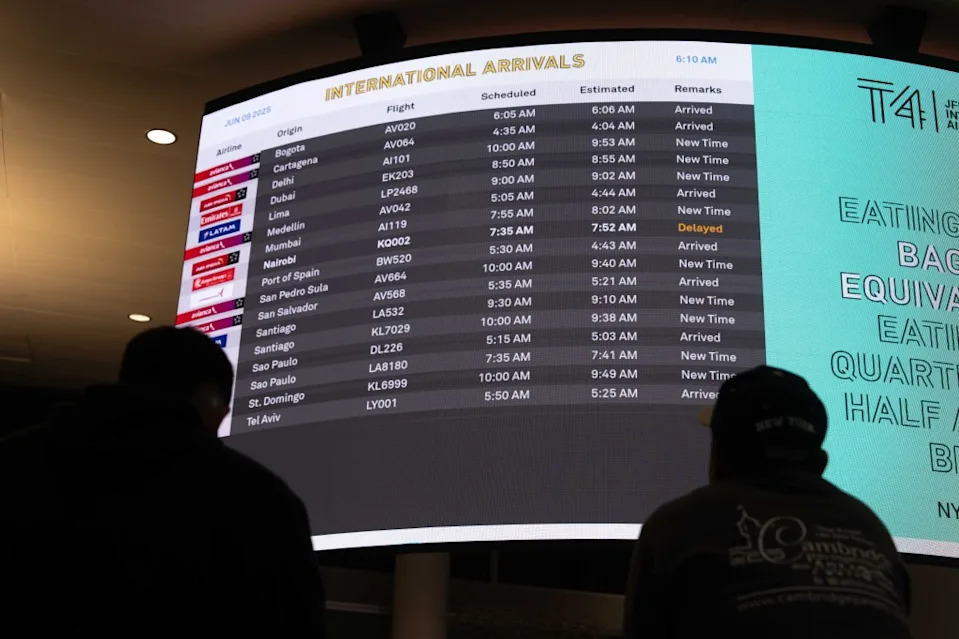
An information board shows international arrivals at John F. Kennedy International Airport in New York City on June 9, 2025.
Airlines, airport executives and travel groups — including the American Association of Airport Executives and the U.S. Travel Association — warned in a May 29 joint letter that reducing CBP staffing at major hubs would ripple across the national aviation network, producing cascading delays, rerouted flights and supply‑chain interruptions.
Operational And Legal Stakes
CBP is the primary federal agency at U.S. ports of entry responsible for document checks, immigration screening, customs enforcement, agricultural inspections and duty collection. At airports, officers perform primary and secondary interviews, baggage and cargo inspections, and other security functions. Industry analysts and former officials say removing CBP from a handful of gateway airports could create catastrophic logistical problems at already congested hubs and exceed the capacity of nearby airports to absorb displaced traffic.
“International aviation networks are highly interconnected, and operational changes at a small number of gateway airports will quickly ripple across the country,” industry representatives wrote in the joint letter.
The Department of Homeland Security directed Newsweek to Mullin’s original remarks for comment. For now, the plan remains under discussion and no operational changes have been implemented.
What To Watch
Key indicators to follow include any formal DHS guidance, congressional debates over funding or policy riders that could enable or block a withdrawal of CBP personnel, and further statements from major airlines and port authorities about contingency plans and capacity assessments.