Life Biosciences has dosed the first human with ER‑100, an experimental cellular reprogramming injection given into one eye to test whether partial reprogramming can restore tissue function. The initial FDA study will enroll under 20 patients across several U.S. clinics and will monitor safety and efficacy for six months. ER‑100 uses three of four Yamanaka Factors and a daily doxycycline pill as an on/off switch to reduce cancer risk; experts say broader, systemic applications remain years away.
Landmark Trial: First Human Receives Experimental 'Reverse‑Aging' Injection (ER‑100)
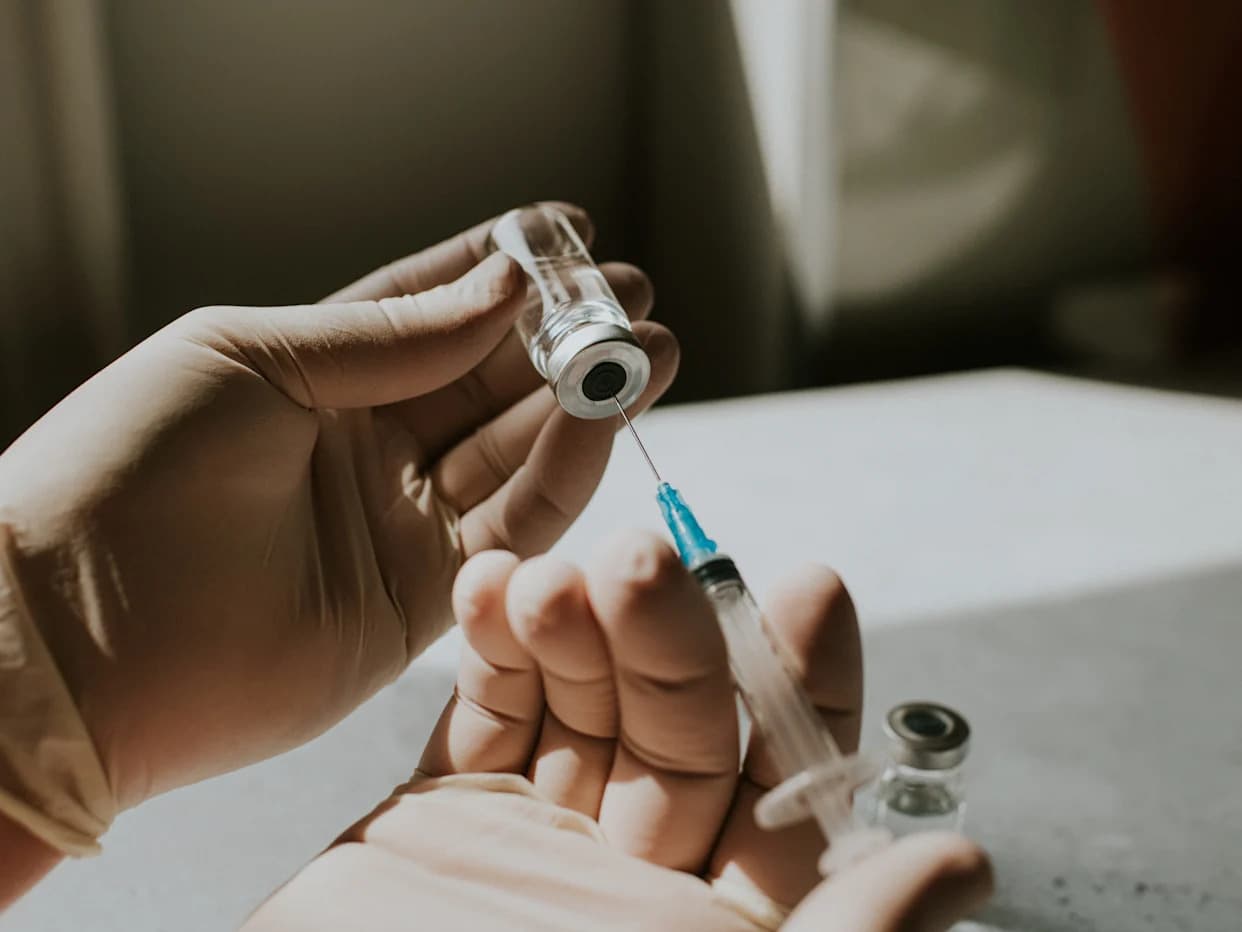
The first-ever reverse-aging drug was just injected into a human
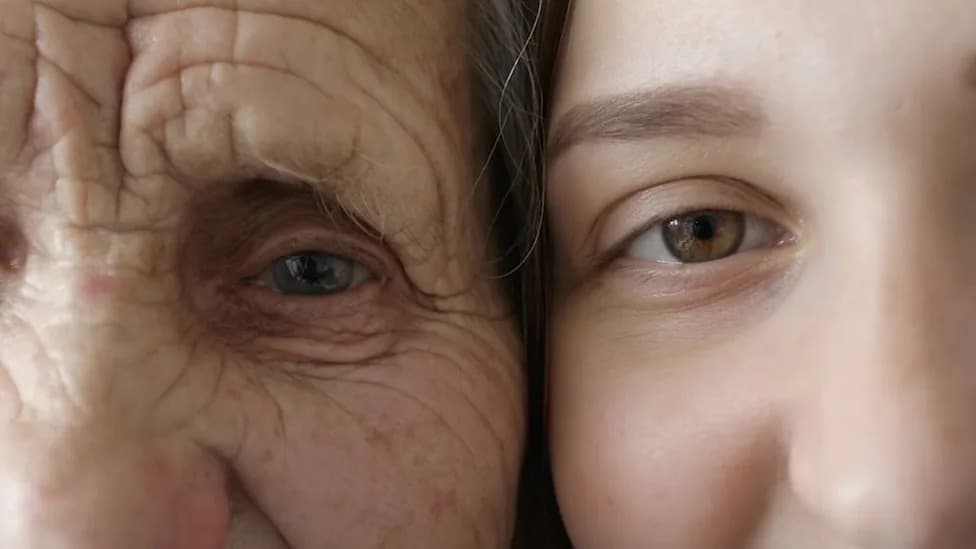
In a milestone for longevity research, Boston-based Life Biosciences has dosed the first human with ER‑100, an experimental cellular reprogramming injection designed to make aging cells act more youthful.
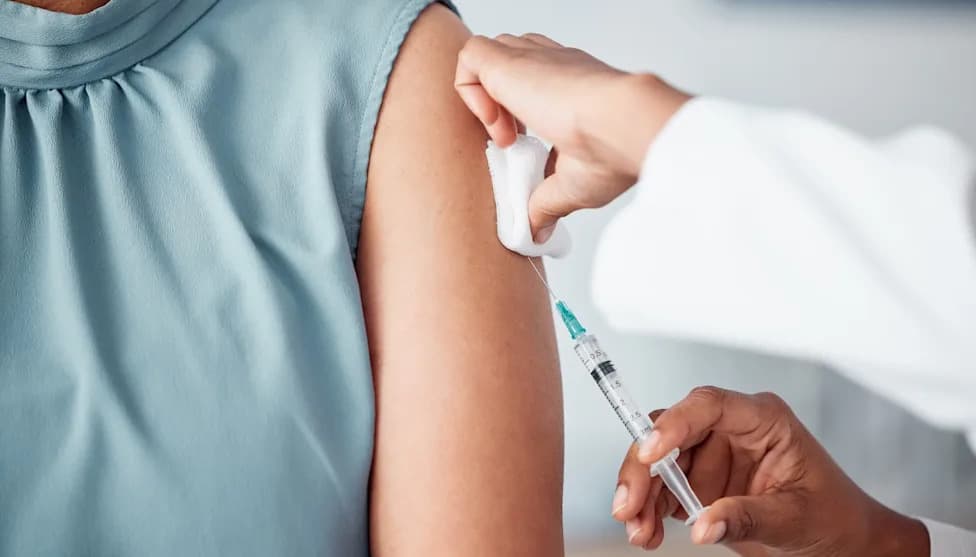
The injection was delivered into one eye of a patient with glaucoma. Life Biosciences has not disclosed further personal details. Over the next six months, clinicians and researchers will monitor the participant for improvements in eye function and any safety signals.
What Is Being Tested
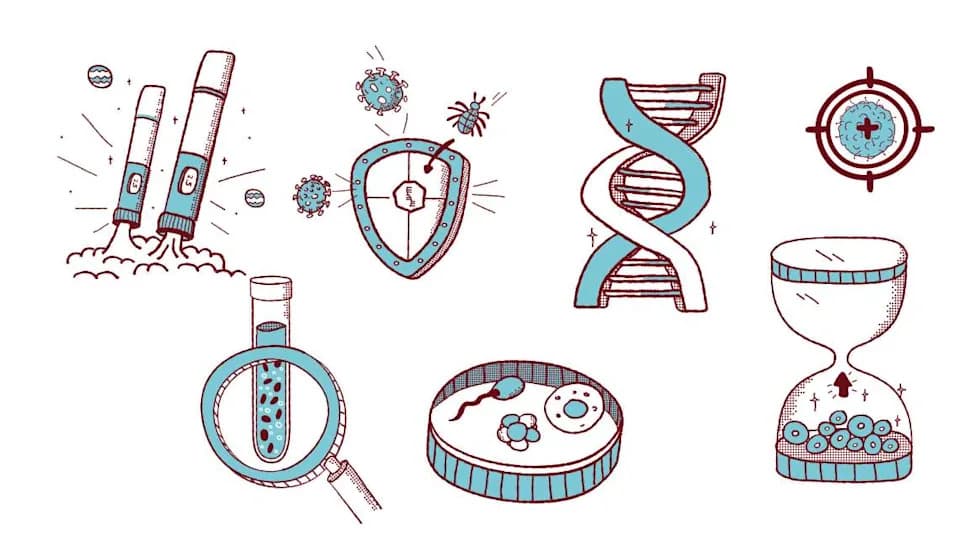
ER‑100 is based on the concept of epigenetic or cellular reprogramming — a method inspired by Shinya Yamanaka's discovery that four proteins (the Yamanaka Factors) can reset adult cells to an earlier state. Rather than fully reverting cells into undifferentiated stem cells, scientists aim for partial reprogramming: nudging older cells to behave younger while preserving their identity and function.
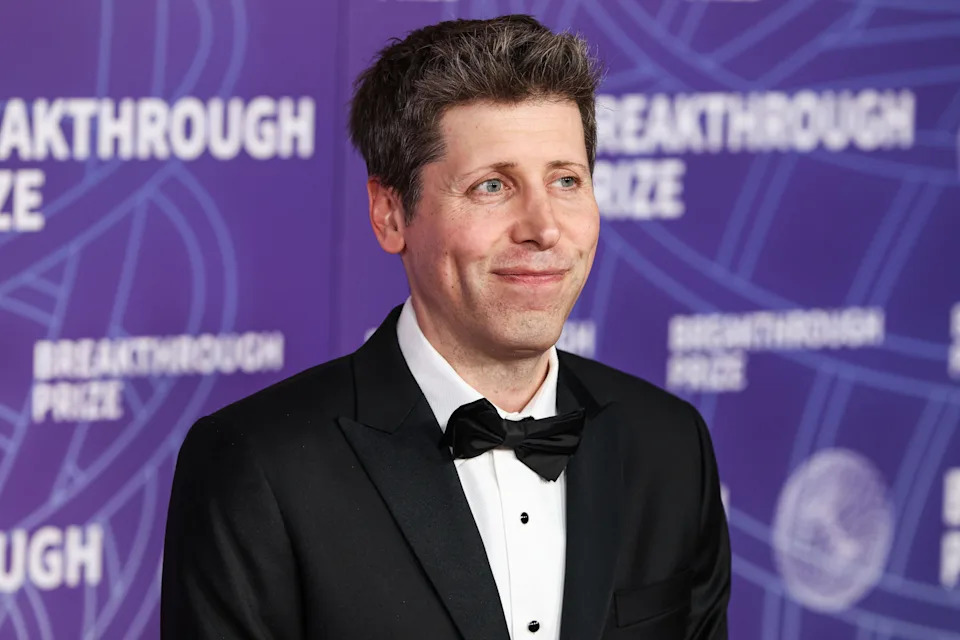
Sam Altman is investing in cellular reprogramming, which aims to reset cells, making old cells act brand new again.Xavier Collin/Image Press Agency/NurPhoto/Reuters
Trial Design And Safety Measures
The initial FDA study plans to enroll just under 20 patients across clinics in Boston, New York City, Los Angeles and Charleston, recruiting people with glaucoma or non‑arteritic anterior ischemic optic neuropathy (NAION). Doctors selected the eye as a first site because it is relatively isolated from the rest of the body, which can reduce systemic risk.
"We're really looking at the ability to restore function, to reverse disease at a very fundamental level in the body," said Life Biosciences CEO Jerry McLaughlin.
To limit cancer risk, ER‑100 uses three of the four Yamanaka Factors, omitting the factor most closely associated with oncogenesis. The trial also incorporates an emergency off switch: participants take a daily dose of doxycycline to activate the therapy, and stopping the antibiotic is intended to halt the reprogramming if safety concerns arise.
Why Experts Are Watching
Investors and major pharmaceutical companies have poured money into reprogramming research. Recent financing activity includes Eli Lilly's participation in a $435 million Series C for New Limit and funding to Rejuvenate Bio from Merck Animal Health; tech investors such as Jeff Bezos and Sam Altman have backed related startups like Altos Labs and Retro Biosciences.

Cellular reprogramming has been linked to cancer in animal trials.yacobchuk/Getty Images
One of Life Biosciences' cofounders is Harvard geneticist David Sinclair, whose work and advocacy helped push the field forward. Sinclair is not involved in the company's day‑to‑day operations.
Researchers say that if partial reprogramming works safely in humans, applications could expand beyond the eye to tissues such as muscle, liver and neurons — potentially producing systemic benefits. However, many experts caution that significant uncertainties remain and that broad clinical use is likely years, if not a decade or more, away.
Major Risks
Two of the original Yamanaka Factors are oncogenes capable of driving uncontrolled cell division, and some animal studies have produced tumors. The trial's choice to omit one factor and to include a doxycycline on/off mechanism are deliberate steps to reduce that risk, but long‑term safety remains an open question.
For now, the Life Biosciences trial will be watched closely as the first human test of whether epigenetic reprogramming can measurably improve how tissues age.
Help us improve.