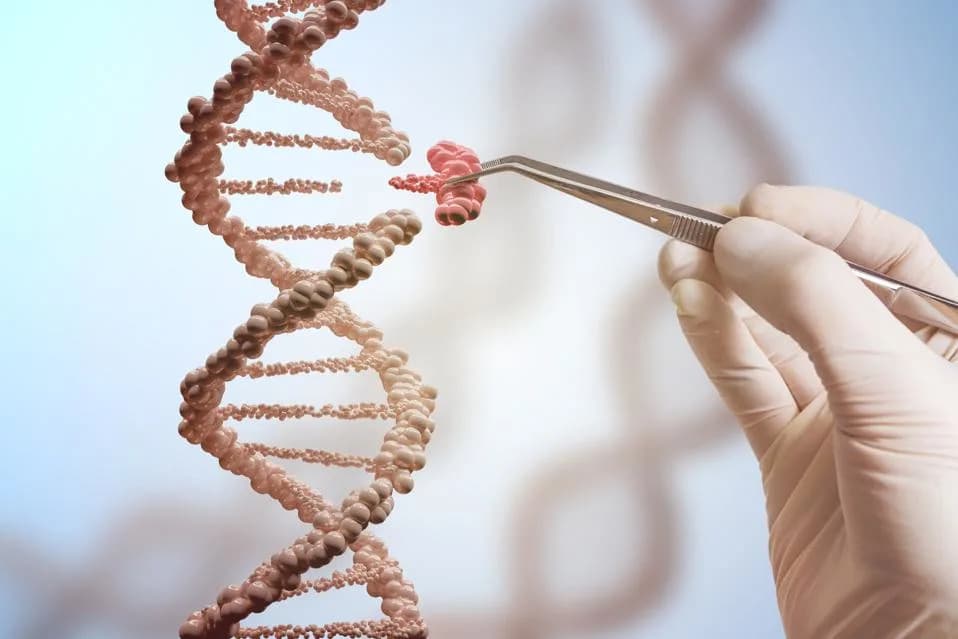
Researchers at Columbia published a June 1 preprint showing base editing can alter genes in human embryos—targeting PCSK9 and HBG—while avoiding the large DNA deletions and chromosome loss linked to some earlier CRISPR approaches. Many embryos were mosaic, and the study is preclinical and not peer‑reviewed, so safety and efficacy questions remain. The work renews discussion about therapeutic potential versus ethical risks, including the specter of "designer babies."
Precise Embryo Base-Editing Could Prevent Inherited Diseases — Promising but Not Clinic‑Ready
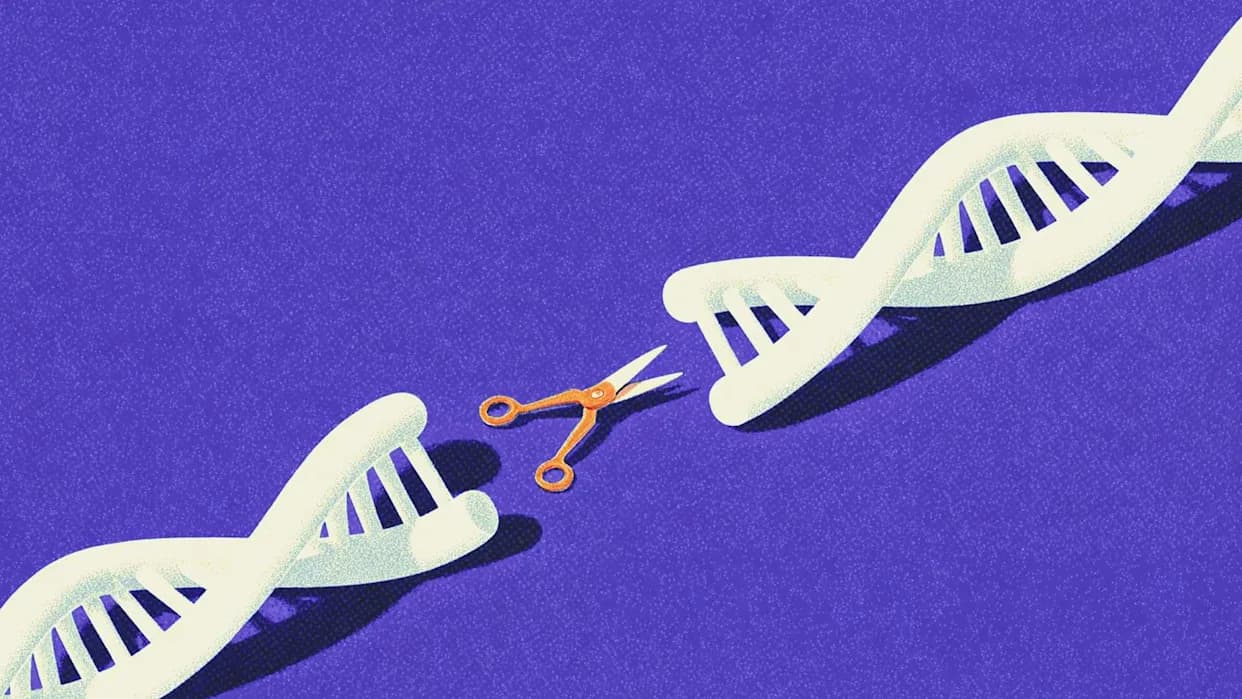
New Embryo Editing Technique Takes Us a Step Closer to Designing Babies Without Disease
Columbia University researchers report a preprint describing an "efficient and precise" base‑editing method applied to human embryos that, in early tests, alters genes without the large deletions or whole‑chromosome losses observed in some earlier CRISPR experiments.
What the study did
Lead author Dieter Egli and collaborators, including Nathan Treff of Nucleus Genomics, introduced base editors into early‑stage embryos to target two loci: PCSK9, which influences LDL cholesterol regulation, and the HBG genes, which affect fetal hemoglobin and are of interest in sickle cell and thalassemia research. The team published a preprint on June 1; the work has not yet been peer‑reviewed.
How base editing differs from earlier CRISPR approaches
Base editing, developed by David Liu and colleagues, couples a CRISPR targeting system with enzymatic machinery to make precise single‑letter DNA changes rather than cutting DNA outright. In this study, edits occurred without the extensive DNA damage or whole‑chromosome loss that have been reported in some CRISPR‑cutting experiments on embryos.
Limitations and safety concerns
The technique was not flawless. Many embryos were mosaic—only some cells carried the intended edits—so the change was not uniformly present throughout the embryo. The authors and commentators emphasize that the preprint is an early, preclinical step, and they caution against rushing into clinical use until more is known about efficacy, mosaicism, off‑target effects, and longer‑term safety.
"We're not saying this is going to be used tomorrow in the clinics," Egli told The New York Times.
Potential applications and ethical debate
Proponents highlight therapeutic potential: correcting pathogenic variants in embryos could one day reduce the number of embryos discarded during in‑vitro fertilization (IVF) or prevent serious inherited diseases such as certain forms of heart disease, sickle cell disease, or thalassemia. Critics and ethicists warn of clinical, social, and moral risks, including the possibility of premature use, inequitable access, and slippery slopes toward non‑therapeutic enhancements.
Many scientists note that complex traits such as intelligence or athletic ability are polygenic and strongly environment‑dependent, making the popular "designer baby" dystopia far more difficult in practice than headlines sometimes imply. That said, the ethical debate remains vital as the science advances.
Context and related items
Base editing has been explored in other research and early clinical contexts outside embryos, but the embryonic application reported here is among the first described. Coverage of the study by outlets including Nature, The New York Times, and The Wall Street Journal captures both scientific enthusiasm and ethical caution.
The same newsletter also covered policy and cultural items: a renewed debate about whether the U.S. government should take equity stakes in major AI firms, critiques of machine‑generated art and its limits, Japan's debate over prostitution‑law reform within feminist circles, repeated struggles to reauthorize Section 702 of the Foreign Intelligence Surveillance Act, and a study examining self‑mating behavior in birds to probe evolutionary questions.
Bottom line: The Columbia preprint shows promising progress for embryo base editing that reduces some previously observed genomic damage, but significant scientific, ethical, and regulatory hurdles remain before any clinical use could be contemplated.
Help us improve.