President Trump told NBC’s Meet the Press that Barack Obama’s 2015 Iran nuclear deal was a costly mistake that sent large sums to Tehran and failed to stop its nuclear progress. Kristen Welker contested Trump's timeline, noting Iran accelerated enrichment after the U.S. left the JCPOA in 2018; Trump maintained the developments began while the deal was in force. Trump defended his decision to withdraw and justified military measures — including citing B-2 bomber deployments — as preventing Iran from obtaining a nuclear weapon. The JCPOA required Iran to reduce uranium stockpiles and accept monitoring in exchange for phased sanctions relief.
Trump Calls Obama's Iran Nuclear Deal a 'Costly Mistake,' Defends Military Action
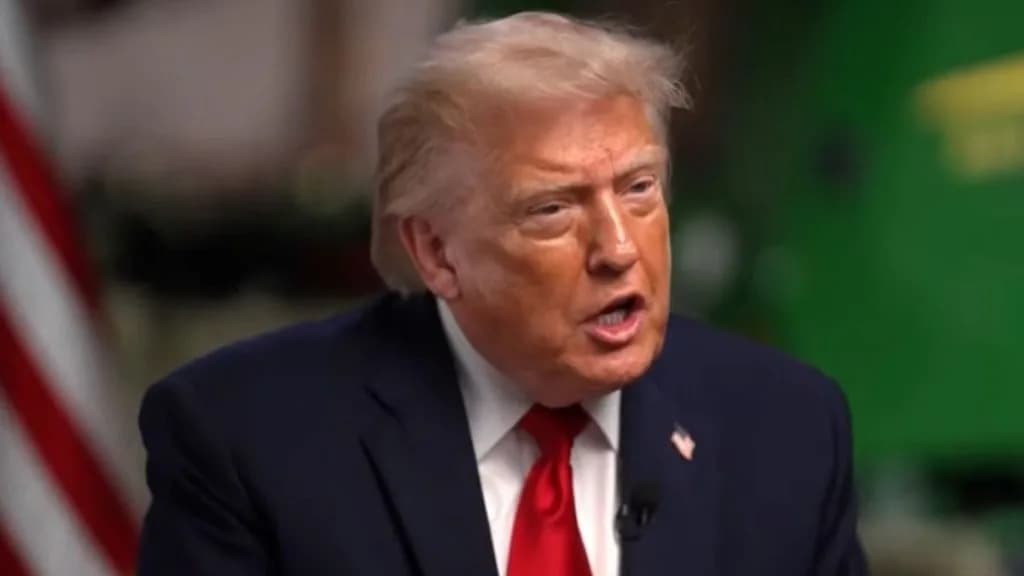
Photo Credit: @NBCNews / YouTube
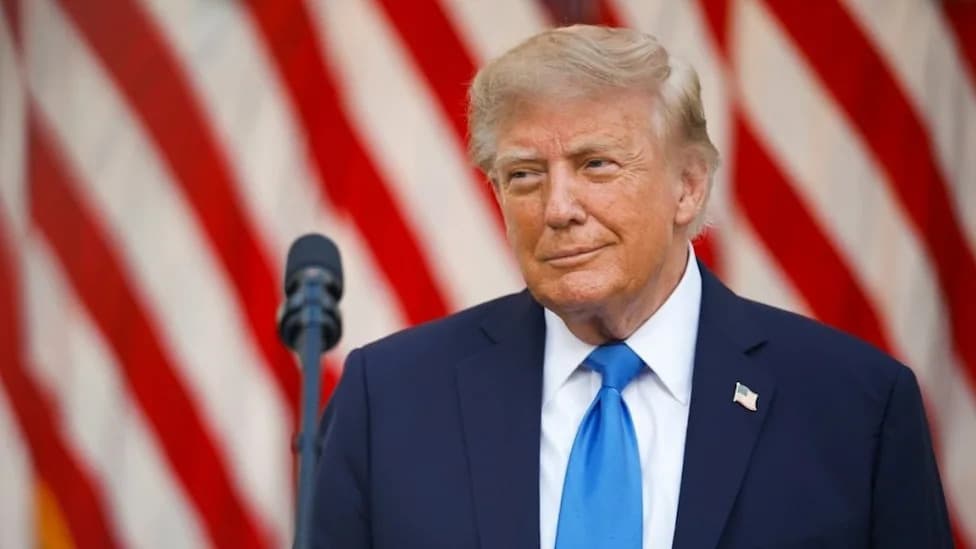
President Donald Trump criticized former President Barack Obama’s 2015 nuclear agreement with Iran during an interview on NBC’s Meet the Press, calling the deal a “costly mistake” that sent large sums of money to Tehran without stopping its nuclear progress. He used the interview to defend his decision to withdraw from the pact and to justify subsequent military measures.
Speaking with Kristen Welker in Wisconsin, Trump described the Joint Comprehensive Plan of Action (JCPOA) as fundamentally flawed and accused Obama of attempting to "bribe" Iran.
"Obama signed that stupid deal where he paid them billions and billions of dollars, he thought he could bribe them,"he said, placing responsibility for Iran’s nuclear gains on his predecessor.
Welker pushed back on Trump's timeline, noting that Iran moved closest to producing weapons-grade uranium after the United States withdrew from the agreement in 2018. Trump disputed that account and insisted enrichment advanced while the JCPOA was in effect.
"They were developing it during the nuclear deal,"he said. When Welker noted that Iran "escalated their development" after the pact collapsed, Trump reiterated his view that Tehran accumulated material during the Obama years.
When the interviewer tried to steer the conversation toward economic issues, Trump instead defended his military posture. He claimed that if he had not taken action — citing the deployment of B-2 bombers — Iran would now possess a nuclear weapon with catastrophic consequences.
"If I didn't go in there with the B-2 bombers, they would right now have a nuclear weapon, and it could be that half of the world would be eradicated,"he said.
The JCPOA, negotiated in 2015 between Iran, the United States, other world powers and the European Union, required Iran to cut its uranium stockpile, limit enrichment and accept monitoring in exchange for phased sanctions relief. President Trump formally withdrew the United States from the agreement in 2018, saying the deal failed to protect U.S. national security and granted Iran access to substantial funds while merely delaying its nuclear ambitions.
Context and dispute: The interview highlights a continuing disagreement over the JCPOA’s effectiveness and the timeline of Iran’s nuclear developments. Journalists and analysts have noted that significant enrichment activities accelerated after the U.S. withdrawal in 2018 — a point Welker raised during the interview — while Trump insists much of the groundwork for those advances was laid during the JCPOA years.
Originally reported by Devanshi Basu. Source: Reality Tea; interview aired on NBC’s Meet the Press.
Help us improve.