Amnesty International reports that dozens of suspected scam compounds in Cambodia remain active despite a months-long government crackdown. The group identified 86 suspected sites and said authorities intervened at only 24; researchers interviewed 73 people who described abuse, including six women who reported rape. The Cambodian government rejected the findings, citing arrests, asset seizures and revoked licences, while international pressure grows as the U.S. estimates $10 billion was lost to regional scam centres in 2024.
Amnesty: Dozens of Cambodian Scam Compounds Still Active Despite Government Crackdown
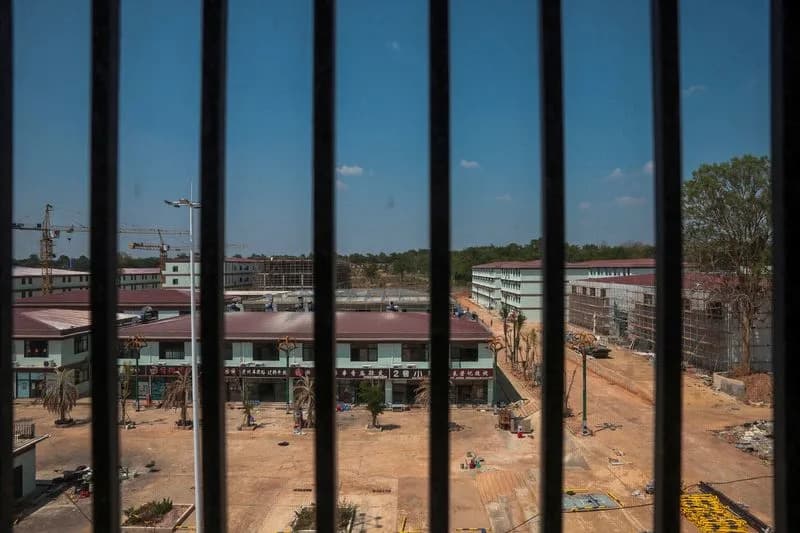
FILE PHOTO: A compound in O'Smach used for scam operations is seen through barred windows from inside the compound, at the Chong Chom-O'Smach border crossing, which was bombed and occupied by the Thai military in December following clashes between Thailand and Cambodia along a disputed border area, in Samraong, Oddar Meanchey province, Cambodia, April 7, 2026. REUTERS/Chalinee Thirasupa/File Photo
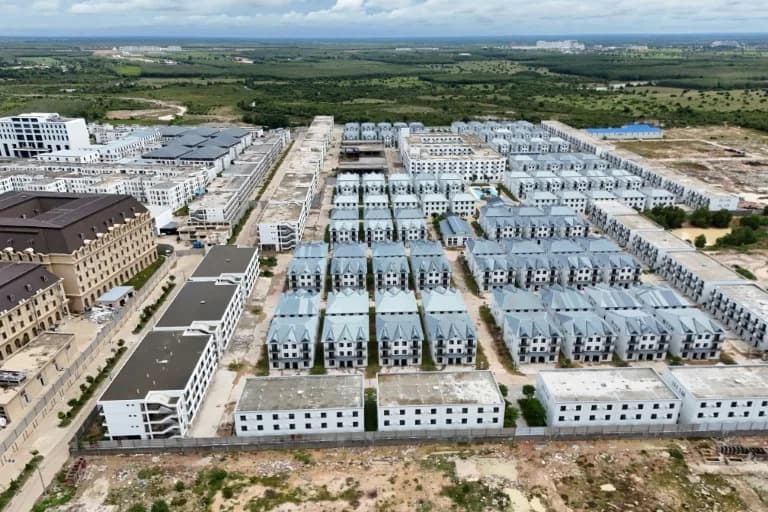
June 8 (Reuters) - Amnesty International says dozens of suspected international scam compounds in Cambodia remain operational despite a months-long government crackdown, according to a new 176-page report released on Monday.
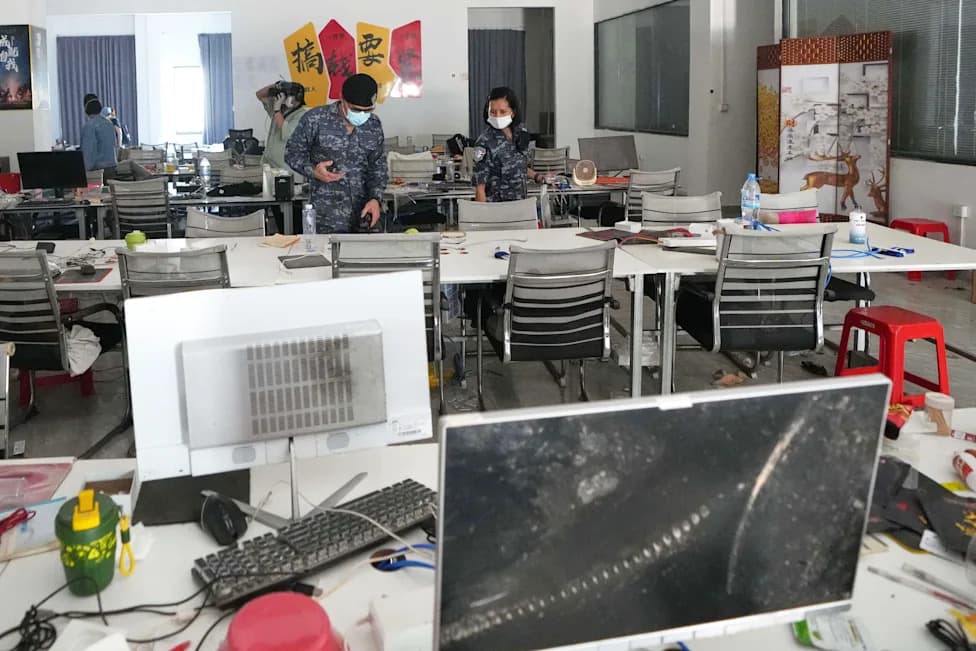
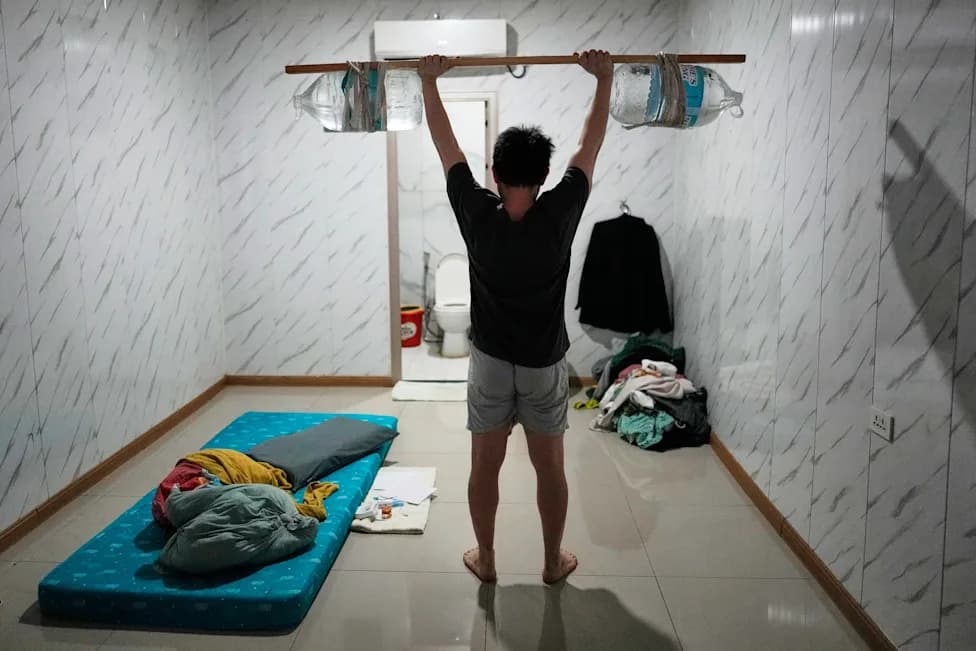
The rights group identified 86 sites it classified as scam centres and found that authorities had intervened at only 24 of those locations. Amnesty's researchers interviewed 73 people who said they had been held against their will in the compounds; all reported experiencing or witnessing abuse, and six women described being raped.
Allegations of Weak or Compromised Enforcement
Amnesty said many official interventions were "reactive, ineffective or undermined by apparent collusion between compound managers and police," and that survivors reported being moved around the country during crackdowns to evade detection. The report urged stronger, victim-centred responses and better protection for people identified as trafficking victims rather than treating them as irregular migrants.
“Cambodia’s crackdown has failed in key areas, both in investigating and shuttering some of the most well-known compounds across the country and in protecting and assisting victims who escaped or were removed from compounds,” Amnesty concluded.
Government Response
The Cambodian government rejected Amnesty's findings. Senior Minister Chhay Sinarith, who leads efforts to combat online scams, said the report was "selective, one-sided, and lacking full understanding of the realities on the ground." He highlighted what the government describes as ongoing nationwide enforcement, including coordinated police operations, arrests, asset seizures and the dismantling of criminal compounds.
Officials said they revoked licences for 25 casinos suspected of involvement in scams, charged nearly 1,500 suspects from 19 countries, deported almost 19,000 foreigners, and recorded about 290,000 people who left voluntarily.
Reuters noted it has not independently verified every allegation in Amnesty’s report or every government claim, but reporting from journalists who visited abandoned or seized compounds documented abuse and large-scale fraud that has defrauded victims worldwide.
Regional Context And International Pressure
Southeast Asia has emerged as a centre of a global cyberfraud industry. Since the pandemic, compounds—largely run by criminal groups believed to be Chinese-led—have proliferated in Cambodia, Laos, the Philippines and lawless areas along the Myanmar–Thailand border. The Cambodian government described the criminal networks as "transnational, highly adaptive, and deliberately designed to evade law enforcement."
Foreign governments have applied pressure to act. The United States estimated Americans lost $10 billion to Southeast Asian scam centres in 2024, a figure that has increased diplomatic urgency for more sustained regional cooperation.
Implications: Human rights advocates say Cambodia and neighbouring countries need stronger investigative follow-through, coordinated international law enforcement, and victim-protection measures that recognise trafficking and provide support for survivors.
(Reporting by Reuters staff; Writing by Josh Smith; Editing by Kate Mayberry)
Help us improve.