Chinese President Xi Jinping will visit North Korea after hosting summits with Donald Trump and Vladimir Putin. The trip comes as US–North Korea nuclear talks remain stalled and Pyongyang insists its nuclear programme is irreversible. Analysts say Beijing appears to prioritise stability and may be shifting toward underwriting North Korea's regime durability while consolidating regional influence.
Xi To Visit North Korea After Summits With Trump And Putin, Emphasising Stability Over Denuclearisation
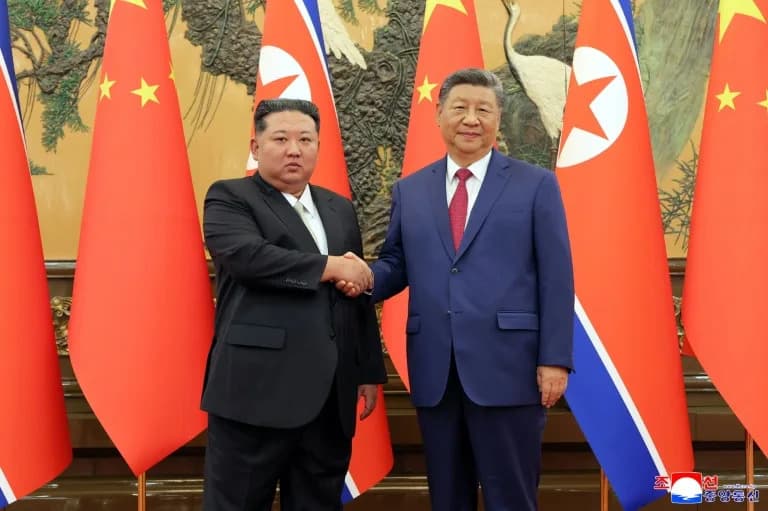
Chinese President Xi Jinping last met North Korean leader Kim Jong Un in September 2025 (STR)(STR/KCNA VIA KNS/AFP)
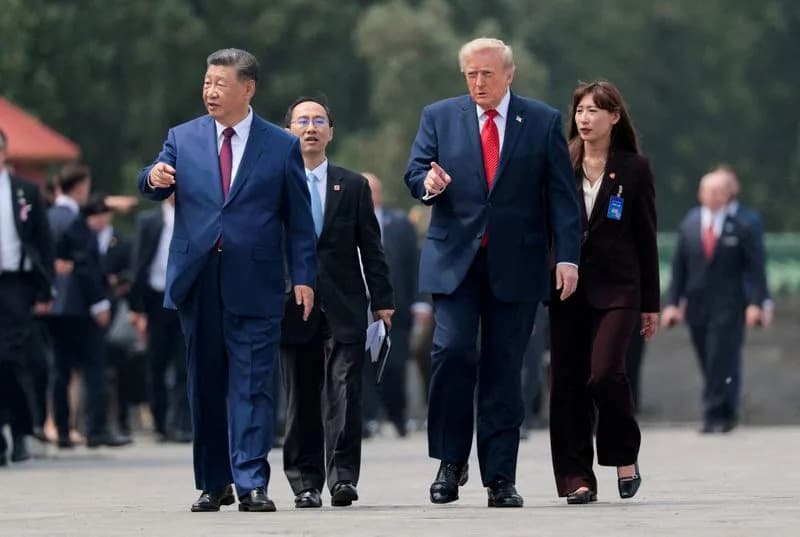
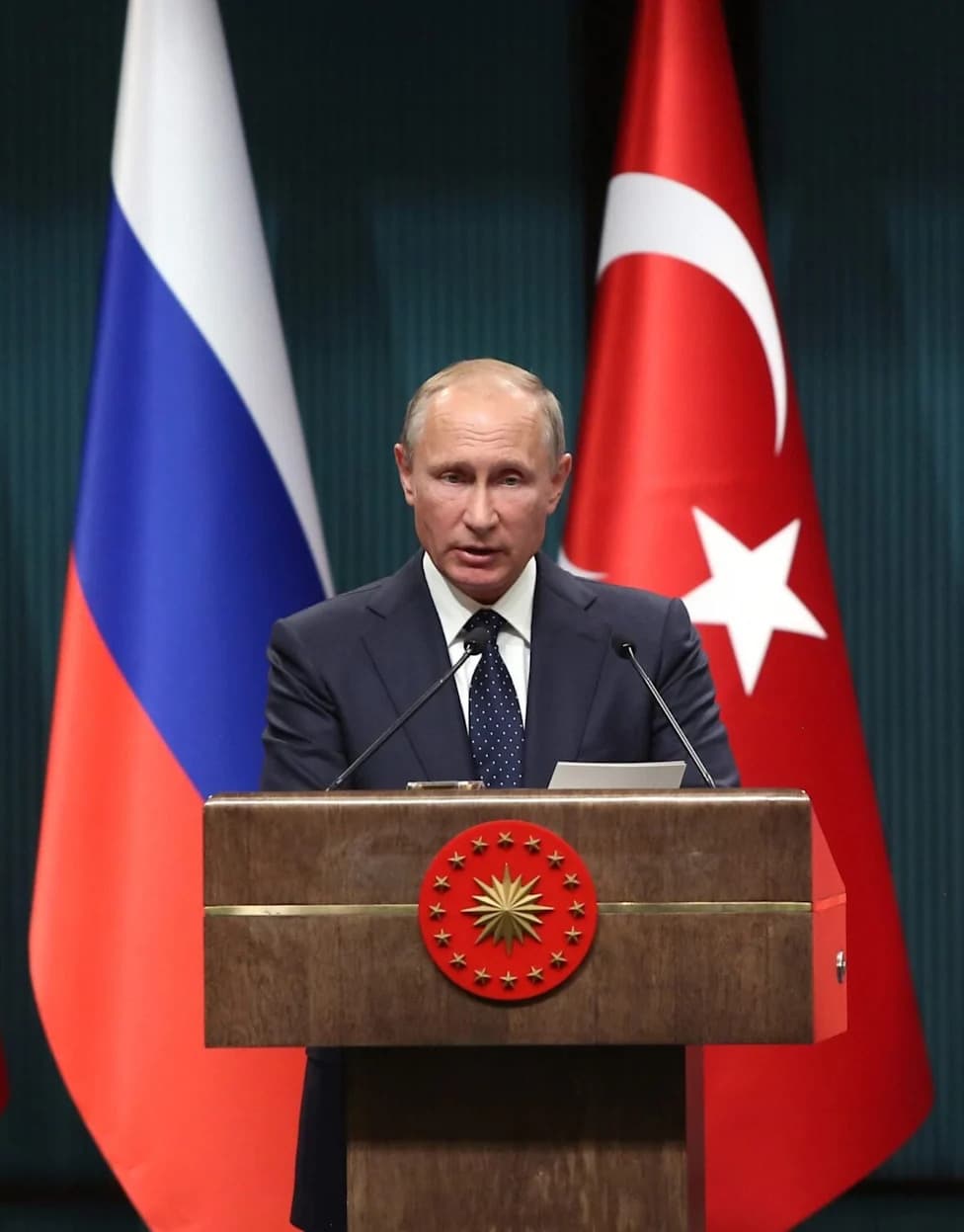
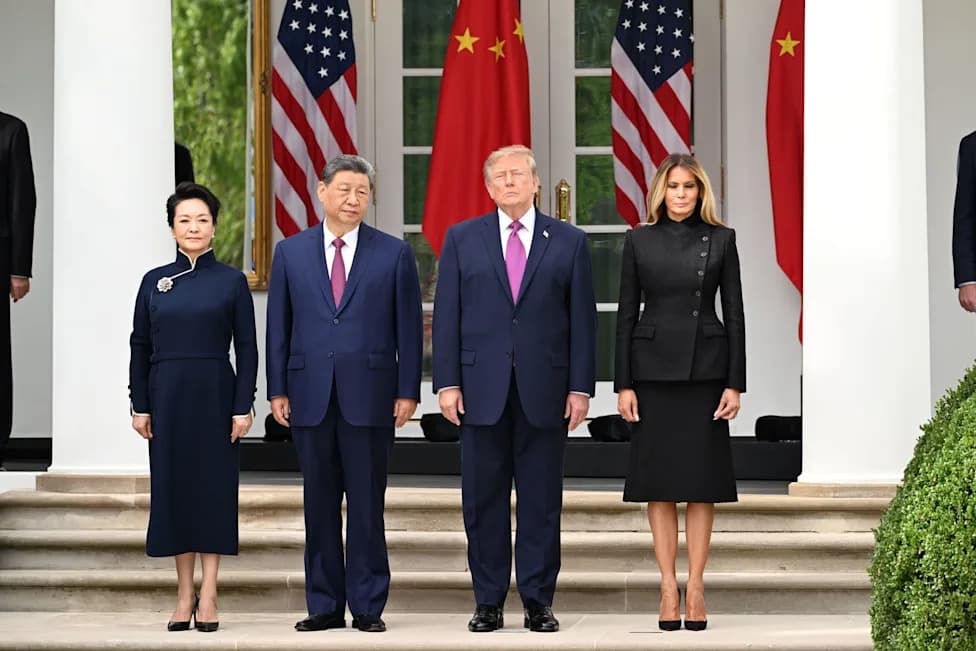
Chinese President Xi Jinping is scheduled to arrive in Pyongyang on Monday, following back-to-back summits last month with US President Donald Trump and Russia's Vladimir Putin. The trip underscores Beijing's continuing strategic engagement with North Korea as nuclear talks with Washington remain stalled.
Visit Context
For decades, China — Washington's principal geopolitical rival — has been North Korea's largest trading partner and its main source of diplomatic and economic support. Beijing's relationship with Pyongyang combines historical ties, security calculations and regional influence.
Nuclear Talks And Stability
Xi's visit comes as US-North Korea negotiations remain deadlocked. The White House said Xi and Trump "confirmed their shared goal to denuclearize North Korea" during their meeting in Beijing, but progress has been limited.
Chinese foreign ministry spokeswoman Mao Ning said the two leaders would "exchange views on bilateral relations and issues of common concern" and "make greater contributions to regional and even world peace."
On the North Korean side, Kim Jong Un's influential sister declared just a day before Xi's arrival that the country's nuclear weapons programme was "the line of no retreat," signaling Pyongyang's firm stance.
Analysts: Prioritising Stability
Analysts quoted by AFP say Beijing appears to prioritise stability and regime durability over forceful denuclearisation. Minseon Ku, a diplomacy professor at DePaul University, said China has "always prioritised stability" and may be accepting Pyongyang's nuclear status while pressing for predictability.
Seong-Hyon Lee, a visiting scholar at the Harvard University Asia Center, suggested Beijing is shifting toward "underwriting regime durability" because a stable, aligned buffer state helps China's broader regional strategy by absorbing some US and allied military bandwidth.
Elevated Diplomatic Status
North Korea has repeatedly described itself as an "irreversible" nuclear state since the 2019 breakdown of talks with then-President Trump. Kim's international profile has risen: Xi last met Kim in September and invited him and Putin as guests of honour to a high-profile military parade in Beijing, a signal of Pyongyang's elevated diplomatic standing.
Russia, Regional Balance And Taiwan
Pyongyang has deepened ties with Moscow amid the Russia-Ukraine war, and analysts note increased Russian support—reports say Pyongyang has provided personnel and other assistance to Moscow. Some observers argue Xi's visit may also aim to counterbalance Russia's influence in Pyongyang, even as China remains the dominant external patron.
North Korea is the only country with a formal, binding military alliance with China. Observers say Beijing values Pyongyang as a strategic counterweight to US partners in the region, including South Korea and Japan, and as leverage in cross-strait calculations concerning Taiwan.
What To Expect
Xi and Kim are expected to "exchange views on bilateral relations and issues of common concern," according to the Chinese foreign ministry. The visit is likely to focus on consolidating ties, securing regional stability from Beijing's perspective, and managing differences with Washington rather than producing breakthroughs on denuclearisation.
Reporting contributions cited AFP analysis and quotes from academic experts.
Help us improve.