The article reports that President Trump left open the possibility of taxpayer-funded payouts to some people convicted in the Jan. 6 Capitol riot after a 49–50 Senate vote failed to permanently block a $1.8 billion DOJ "Anti‑Weaponization Fund." The fund was created under a settlement tied to Trump’s $10 billion IRS lawsuit and would let claimants seek compensation or apologies through a commission reviewing claims until 2028. The proposal has drawn bipartisan criticism, while Acting AG Todd Blanche defends a commission-led process; a federal court has temporarily stayed the program and lawmakers plan to press the issue during budget talks.
Trump Leaves Door Open To Jan. 6 Payouts After 49–50 Senate Vote Fails To Kill $1.8B “Anti‑Weaponization” Fund
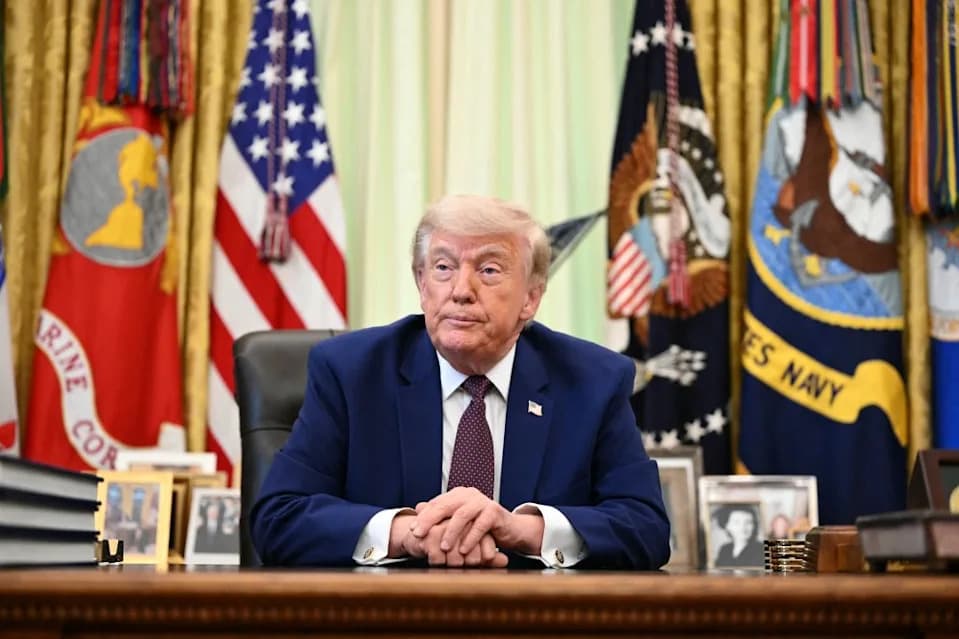
President Donald Trump speaks to the press in the Oval Office of the White House in Washington, DC, on June 3.
President Donald Trump stopped short of categorically ruling out taxpayer-funded compensation for some people convicted in the January 6, 2021, U.S. Capitol riot, saying he would "have to see" the details before deciding. His remarks followed a razor-thin 49–50 Senate vote that fell one vote short of permanently defunding a $1.8 billion Department of Justice program critics call the "Anti‑Weaponization Fund."
What Trump Said
In an interview broadcast Sunday on NBC News' Meet the Press, Trump was asked whether rioters who assaulted police officers should be eligible for payouts. He replied:
"I wouldn't be inclined to say so, but I have to see it."Trump defended the broader concept as a remedy for what he and his allies describe as political targeting, saying many Republicans support the idea and that some people have been "destroyed" by government actions.
What The Fund Does And How It Was Created
The program was established as part of a settlement between the Department of Justice and Trump that resolved his $10 billion lawsuit against the Internal Revenue Service. Under the agreement, the DOJ will administer a commission to review claims of alleged government "weaponization" through 2028; claimants may be eligible for compensation or formal apologies. The settlement also included an agreement to drop certain pending IRS audits of Trump, his family members, and related business entities.
Political Backlash And Support
The proposal has drawn sharp bipartisan criticism. Former Vice President Mike Pence called the idea of compensating people who assaulted officers or vandalized the Capitol "deeply offensive." Prominent Republicans, including Senate Republican leader Mitch McConnell, publicly called compensating rioters "utterly stupid" and "morally wrong." Senate leaders John Thune and Thom Tillis also voiced skepticism, while Senate Democrats — including Judiciary Committee ranking member Dick Durbin — condemned the plan as undermining public trust.
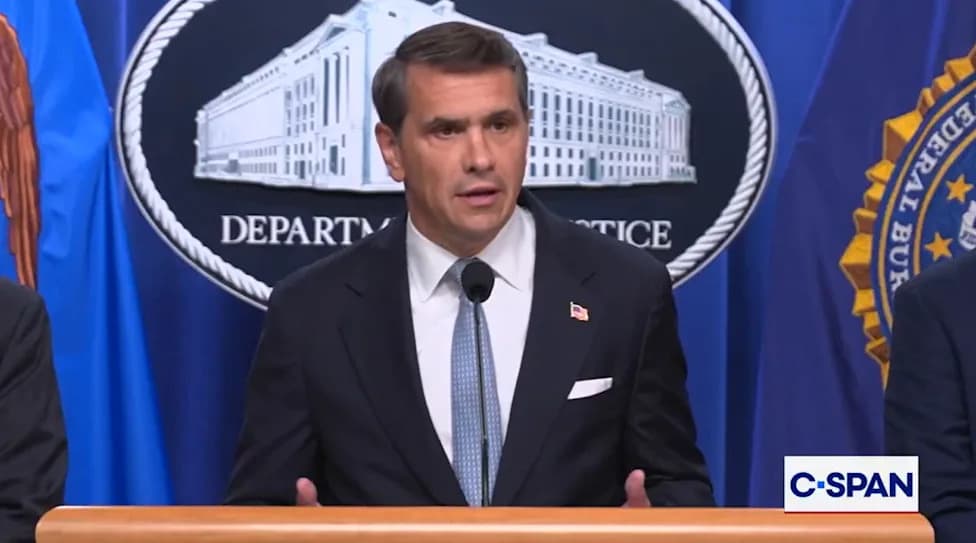
At the same time, Acting Attorney General Todd Blanche has defended the program as a lawful, commission-driven process to address claims of politically motivated prosecutions. Blanche emphasized that eligibility decisions would be made by a commission rather than by political appointees and rejected assertions that the fund is intended as a payoff to Trump allies. After a court blocked the program temporarily, Blanche told lawmakers the DOJ was "not moving forward with the fund, period," a stance that has left some lawmakers uncertain about the department's next steps.
Where Things Stand
The Senate vote-a-rama produced a 49–50 outcome on an amendment to permanently defund the program. That narrow result underscored divisions within the Republican conference, with three GOP senators crossing party lines to vote with Democrats in favor of a permanent ban, including Senators Susan Collins and Dan Sullivan.
The fund's fate now travels two paths: judicial review and fresh legislative fights. A federal court has issued a temporary stay and scheduled an expedited hearing to consider whether the program should be blocked permanently. Meanwhile, many lawmakers plan to revisit the issue during upcoming federal budget negotiations.
Why It Matters
Critics warn the fund could unintentionally provide payments to people connected to the Jan. 6 riot — an event that injured roughly 140 police officers and led to more than 1,500 federal charges — while supporters frame it as a mechanism to redress alleged government overreach. The controversy touches on broader questions about accountability, the appropriate use of settlements in politically charged disputes, and the role of independent commissions in resolving claims of "weaponization."
Help us improve.