The U.S. has circulated a draft IAEA resolution demanding Iran disclose the status of nuclear sites hit in recent strikes and account for enriched uranium stored there. It calls for precise material accounting and unfettered IAEA access "without delay," but stops short of a Security Council referral. The move could complicate ongoing U.S.-Iran talks, while Russia and China oppose renewed board pressure.
U.S. Circulates IAEA Draft Urging Iran To Account For Bombed Nuclear Sites And Enriched Uranium
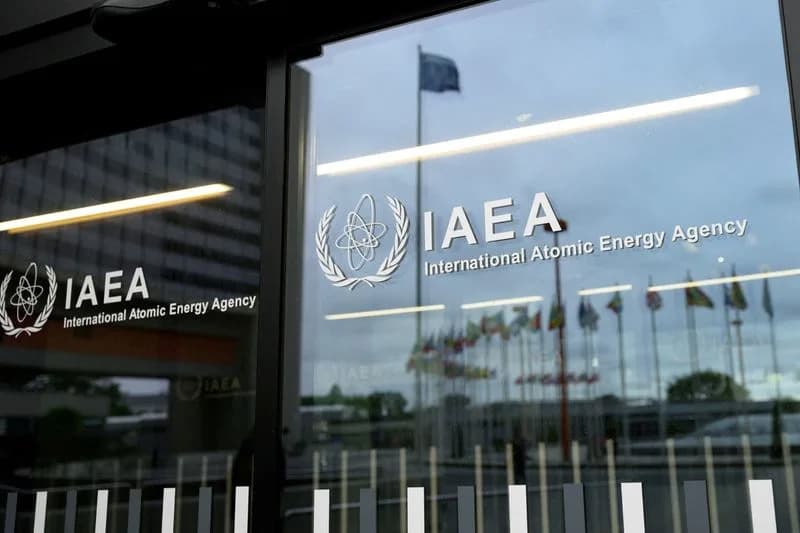
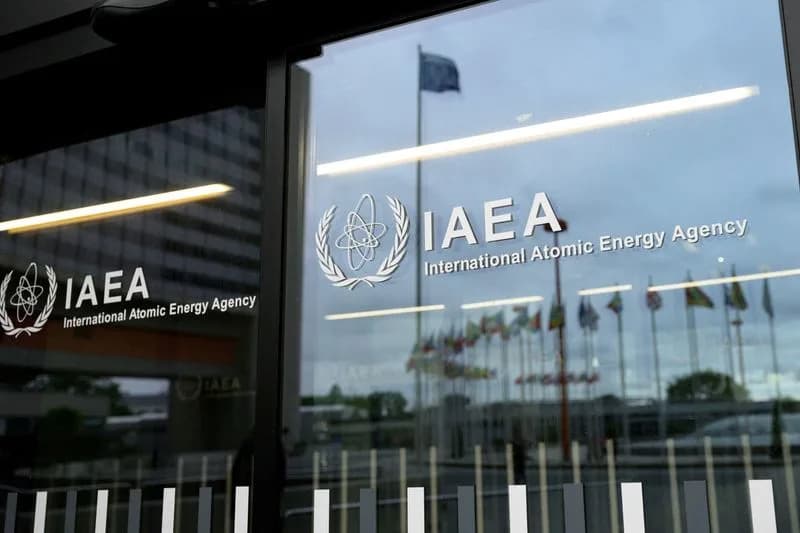
The IAEA logo is displayed in front of the agency’s headquarters in Vienna, Austria, June 5, 2026. REUTERS/Elisabeth Mandl
PARIS/VIENNA, June 7 — The United States has circulated a draft resolution among members of the International Atomic Energy Agency's 35-member Board of Governors asking Iran to disclose what happened to nuclear sites struck in recent attacks and to account for enriched uranium that had been stored there.
The U.S.-authored text, reviewed by Reuters and distributed ahead of this week’s quarterly board meeting, calls on Iran to "provide the Agency with precise information on nuclear material accountancy and safeguarded nuclear facilities in Iran" and to give the IAEA "all access it requires to verify this information." The measures are described as "essential and urgent" and must be taken "without delay."
Diplomatic Context And Potential Fallout
Circulating the draft signals an intention to seek a formal vote, though it does not guarantee the text will be tabled. The move comes as Washington and Tehran hold parallel talks aimed at extending a ceasefire and opening broader negotiations, including on Iran's nuclear programme — a process that could be complicated if the board adopts a hardline resolution.
The draft stops short of referring Iran to the U.N. Security Council, an option some diplomats had considered after a June 12, 2025 resolution that declared Iran in breach of its non-proliferation obligations. Israel launched strikes on Iranian nuclear sites a day later.
What Was Damaged And What Remains
Although the June strikes destroyed or badly damaged some uranium-enrichment facilities, the IAEA believes a substantial portion of Iran's enriched uranium stock likely survived. U.S. officials, including President Donald Trump, have pressed for the removal of remaining highly enriched uranium — specifically the 440.9 kg (972 lbs) that the IAEA estimated Iran held at levels up to 60% purity when the attacks began. According to an IAEA metric, that quantity, if further enriched, could be sufficient to produce roughly 10 nuclear weapons.
Responses From Other States
Russia and China have opposed recent IAEA board resolutions on Iran. Russia's ambassador to the IAEA warned the draft would antagonise Tehran and accused the United States of undermining cooperation between the agency and Iran by circulating such texts while tensions remain high.
The U.S. mission to the IAEA declined to comment. Diplomats say board pressure can influence Iran’s behaviour but also risks prompting retaliatory steps, including reduced cooperation with inspectors or accelerated nuclear activity.
Bottom line: The draft aims to force urgent, verifiable accounting of damaged sites and nuclear material, but its diplomatic fallout could complicate fragile negotiations between Washington and Tehran.
Help us improve.