All five of the Royal Navy’s operational Astute-class attack submarines are currently in port for maintenance, while a recently commissioned sixth boat is not yet deployable, creating a temporary gap in UK undersea capability. Senior naval figures warn this weakens deterrence as Russian undersea activity around British waters has risen by about one third. Defence leaders say upgrading maintenance facilities and docks is a priority, while long-term programmes such as AUKUS and the Dreadnought build remain years from adding capacity.
UK’s Entire Readily Deployable Attack Submarine Fleet Grounded for Maintenance, Raising Security Concerns
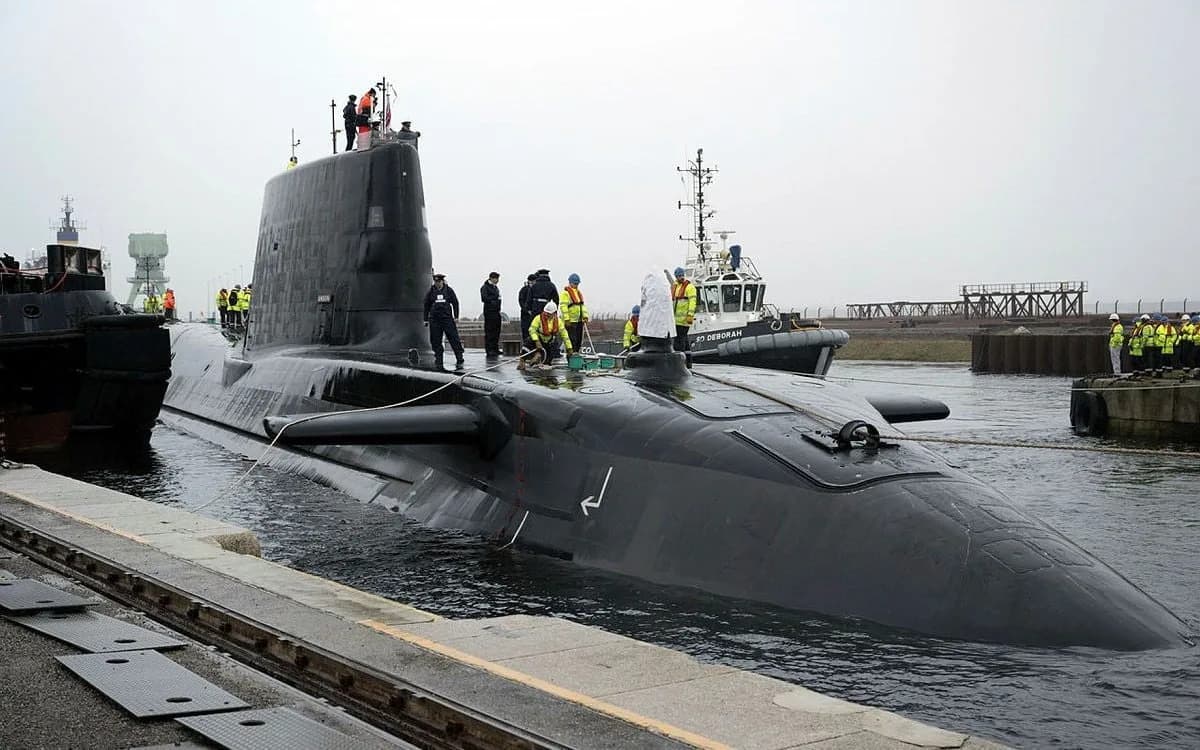
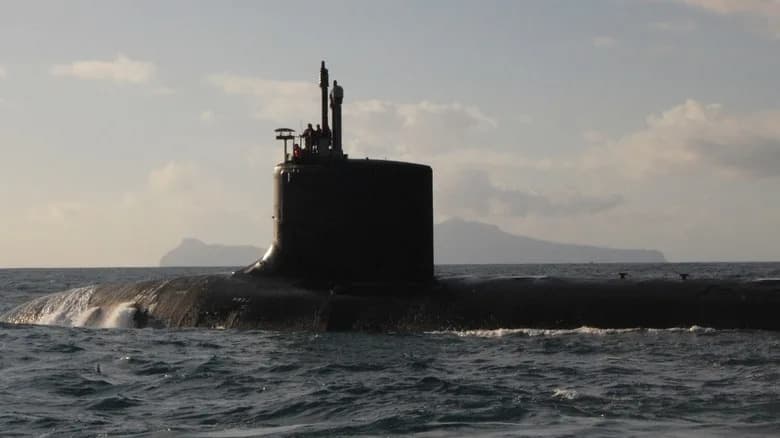
All five of the UK’s Astute-class hunter-killer boats need maintenance or repairs - Andrew Linnett/Ministry of Defence
The Royal Navy’s full complement of readily deployable Astute-class nuclear attack submarines is currently in port for maintenance and repairs, a development senior officials say leaves the United Kingdom more exposed to increased Russian undersea activity.
Operational Gap and Strategic Concerns
All five operational Astute-class hunter-killer submarines are undergoing maintenance or technical work, and a sixth vessel, although recently commissioned, is not yet certified for deployment. Naval commanders and former senior officers warn this shortfall undermines the UK’s undersea deterrence and projects weakness amid a rise in Russian naval activity around British waters.
Voices from the Service
“We look toothless. The Russians know we can’t put submarines to sea,” said Commander Ryan Ramsey, a former nuclear submarine captain, calling the situation a “serious wake-up call.”
Lord West of Spithead, a former First Sea Lord, described the situation as “unacceptable” and stressed that attack submarines are vital both for protecting the nation’s ballistic missile submarines and for deterring hostile undersea activity.
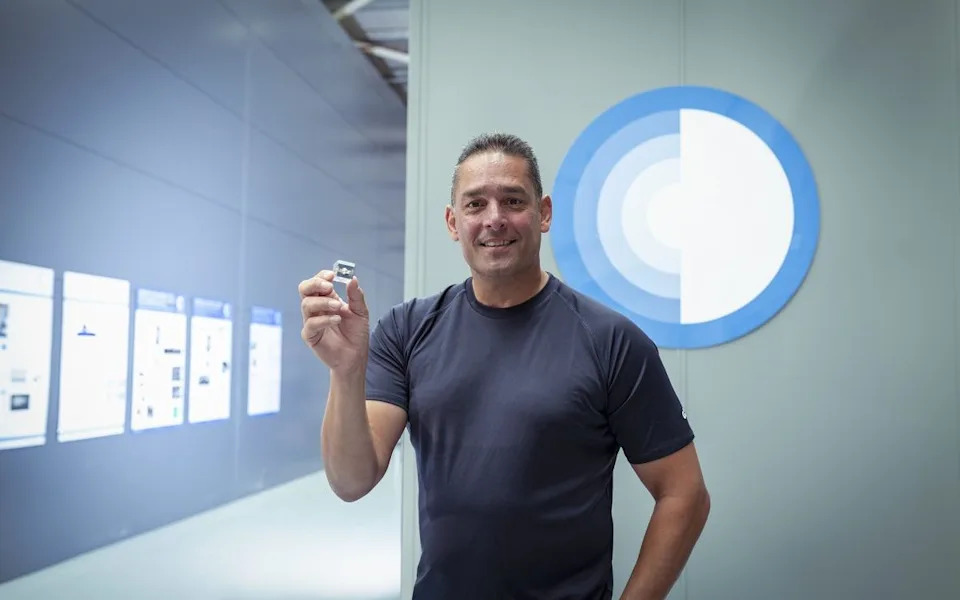
Cdr Ryan Ramsey, a former nuclear submarine captain, says the issue has been ‘hidden for years’
Context and Consequences
Chief of the Defence Staff Sir Richard Knighton warned this week that the security environment is the most dangerous he has seen in his working life, saying Moscow has been “probing, challenging, testing our defences.” Officials report Russian naval activity in UK waters has increased by roughly one third over the past year.
Astute boats are central to countering stealthy Russian submarines and protecting the UK’s Vanguard-class ballistic missile submarines and the two carriers, HMS Queen Elizabeth and HMS Prince of Wales, while at sea. The Astute programme has cost about £12.2bn and the boats are regarded as among the world’s most advanced attack submarines.
Maintenance, Facilities and Long-Term Plans
Naval sources say the immediate constraint is maintenance capacity and technical issues—HMS Anson recently returned to the UK after an extended transit to Australia—and experts argue the fastest way to restore availability is to upgrade the nation’s overhaul docks and maintenance infrastructure. Admiral Sir Gwyn Jenkins has made improving submarine availability and dock capacity a top priority.
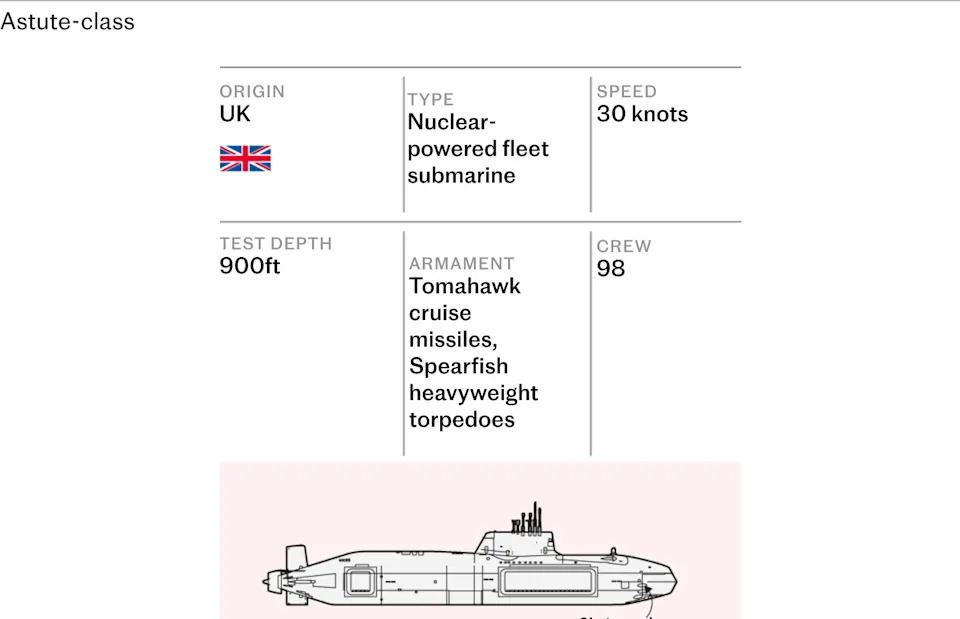
Longer-term programmes include the trilateral AUKUS plan to acquire up to 12 new nuclear attack submarines in partnership with the US and Australia, and the ongoing construction of Dreadnought-class ballistic missile submarines to replace the Vanguard fleet. However, those projects remain years from delivering additional capability.
Related Readiness Issues
Concerns about broader readiness persist: HMS Prince of Wales was forced to stop in Norway for repairs early in a recent deployment, and the long-delayed Defence Investment Plan—intended to set decade-long spending priorities—remains stalled amid funding disputes between the Ministry of Defence and the Treasury.
Official Response
The Ministry of Defence said it does not routinely comment on submarine readiness but insisted UK waters are “always protected with a range of assets” and that “strengthening and sustaining our submarine capability is a top priority” with decisive action under way to improve long-term resilience.
Help us improve.