Short Summary: The Trump‑class battleship proposal would compete directly with Ford‑class carriers for A1B reactors, shipyard slots and budget. Lawmakers insist new ships must have proven munitions before construction; yet railguns and high‑power lasers remain immature. Given reactor bottlenecks, carrier delays and urgent needs for new destroyers and anti‑submarine ships, the battleship programme faces steep political and technical obstacles.
Every Trump‑Class Nuclear Battleship Would Likely Cost a Ford‑Class Carrier
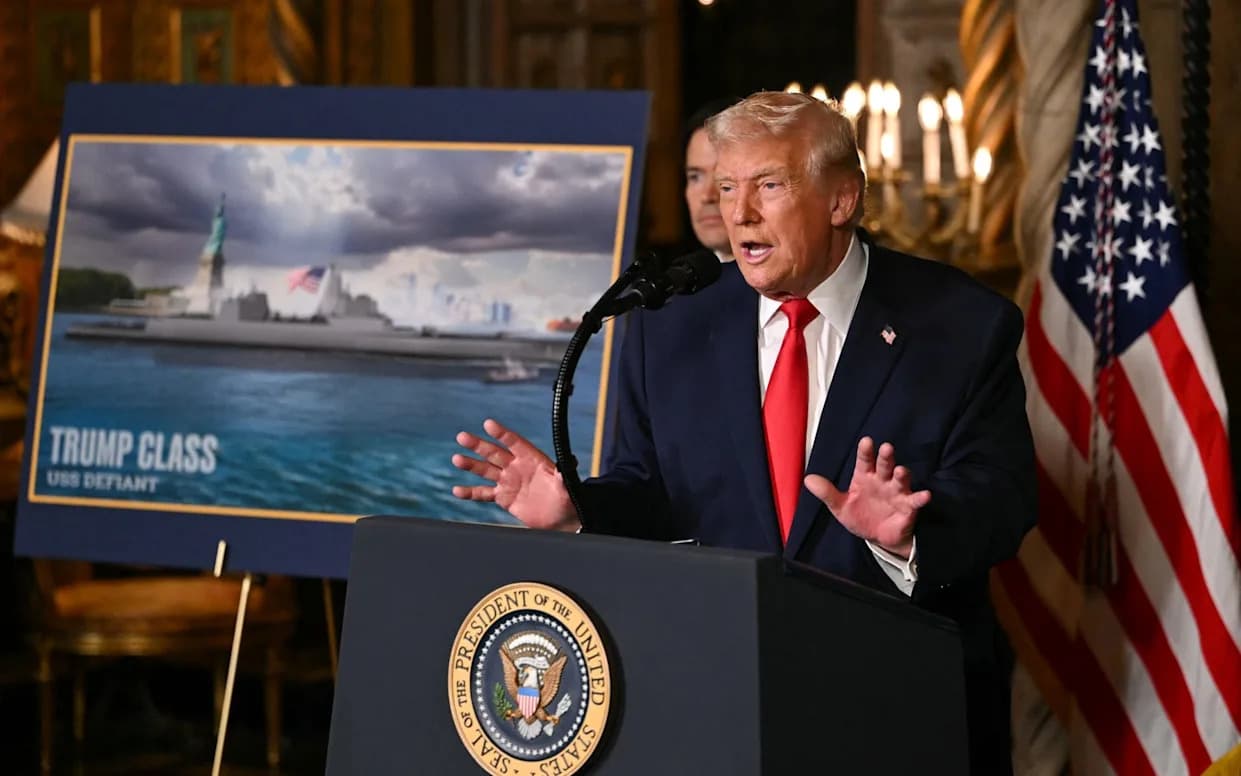
The US president’s plan faces huge opposition - Andrew Caballero-Reynolds/AFP
The debate over whether the United States Navy should fund a new class of battleships has become as political as it is strategic. Advocates portray a modern “Trump‑class” as a symbol of maritime power; critics warn it would be an expensive distraction that competes directly with the Navy’s highest‑priority platforms. The central, unavoidable fact is practical: choosing nuclear-powered Trump‑class ships would draw the same scarce reactors, shipyard time and budgets as Ford‑class aircraft carriers — meaning each battleship could come at the expense of one carrier.
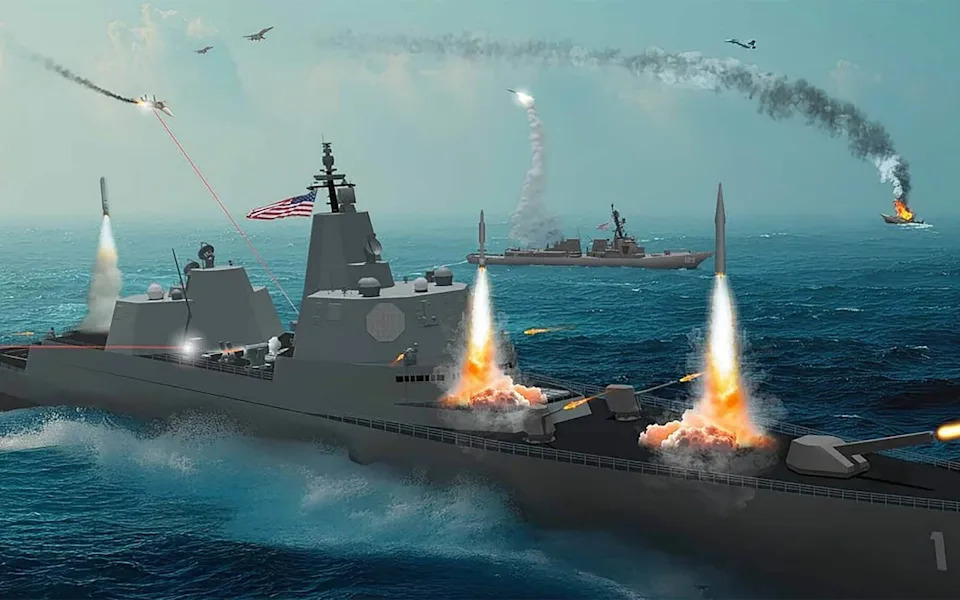
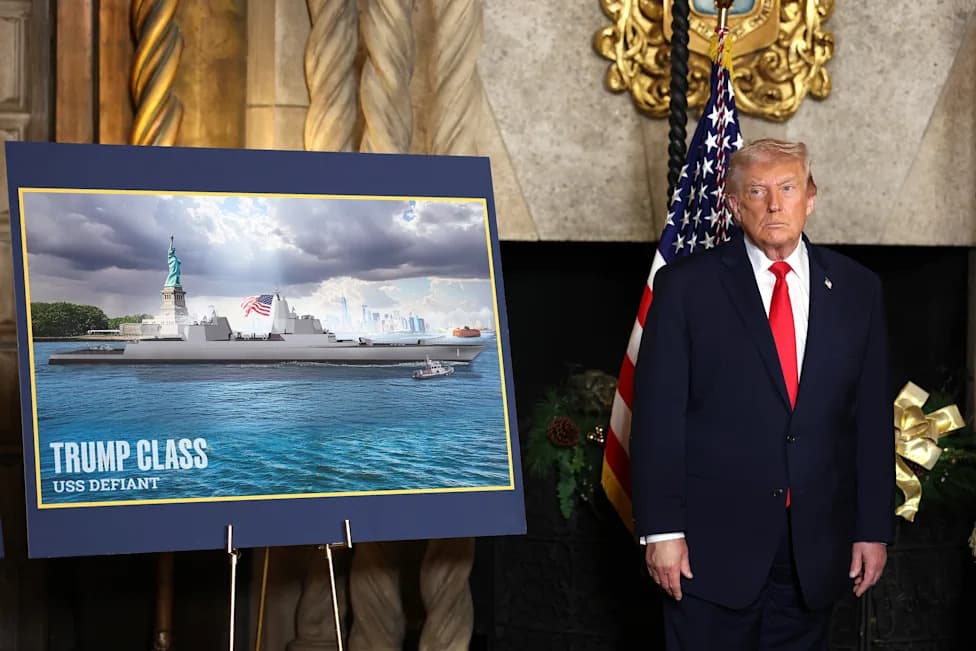
An artist’s impression of Trump class warships released by the Pentagon
What Was Proposed
On Dec. 22, 2025, President Trump unveiled a plan for a “Golden Fleet” anchored by large surface combatants dubbed the Trump‑class. The lead hull is proposed as USS Defiant (BBG‑1) in a potential series of up to two dozen ships. Designed at roughly 30,000–40,000 tons, the concept prioritises advanced missiles, directed‑energy systems and, eventually, electromagnetic railguns.

Hung Cao stepped in as the new acting navy secretary following John Phelan’s departure - Tom Williams/CQ-Roll Call, Inc.
Why The Nuclear Decision Matters
The May 11 decision to pursue nuclear propulsion for the design significantly increases cost, complexity and schedule risk. Nuclear plants for surface combatants require specialised reactors (A1B in this debate), skilled shipyard capacity and a constrained industrial base. The same A1B reactors and Newport News shipyard slots are already committed to the Ford‑class carrier programme, and Congress has asked the Navy and Naval Nuclear Propulsion to report on how battleship reactors could affect carrier delivery timelines.
Weapons, Technical Risk, And Timing
Proponents argue the payoff of a nuclear plant would be the ability to power high‑demand systems such as lasers and railguns. But after decades of development, neither technology has matured into a reliably deployable weapon. The US railgun effort, started in 2005, was paused in 2021 because of persistent issues with barrel life, power and thermal management, and ship integration. Lawmakers on the House Armed Services Committee have therefore required that construction not begin until the battleship’s munitions packages are proven and deployable.
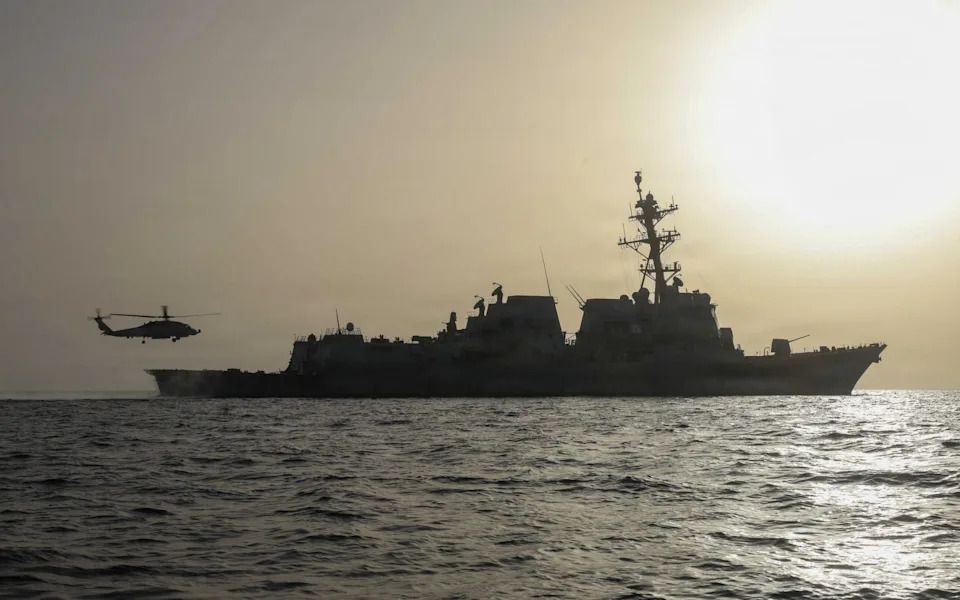
The US navy is extending the lifespan of its Arleigh Burke-class vessels on a hull-by-hull basis - AFP
Bottom line: there are no ready‑to‑field next‑generation offensive systems that justify starting a nuclear battleship programme today.
Operational Questions
Some scenarios — for example, presence and fire support in littoral hotspots such as the Bab El Mandeb — make the idea of a large, resilient surface combatant attractive. But armour and heavy naval guns were superseded in the 20th century because aircraft, bombs and torpedoes proved capable of defeating even heavily protected hulls. Today’s threats — supersonic and hypersonic anti‑ship missiles and large explosive drones — further erode the survivability case for a new battleship built around traditional notions of resilience.
Shipbuilding Lessons And Competing Priorities
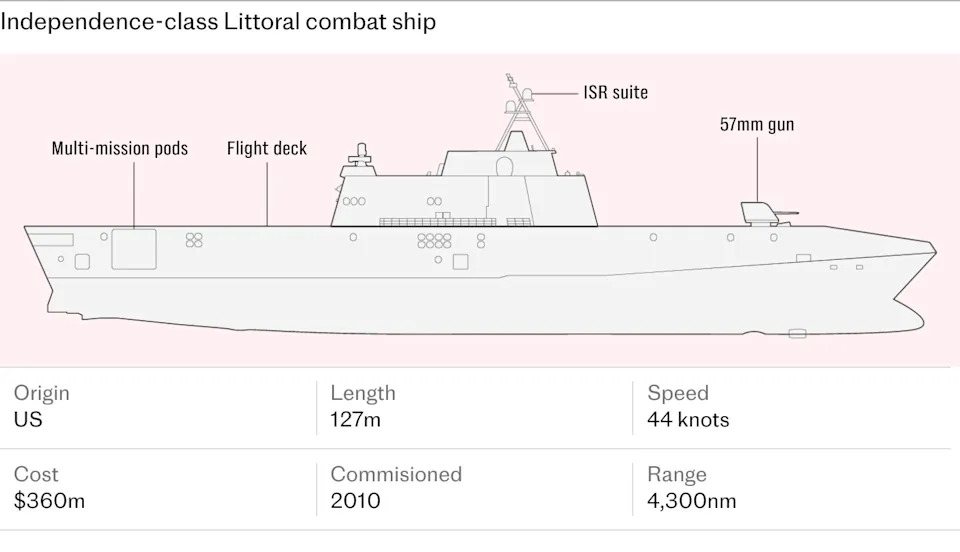
The US shipbuilding record in recent decades shows the cost of changing requirements midstream: the Zumwalt class was cut to three hulls at great expense; the Littoral Combat Ship programme suffered severe execution and capability problems; and the Constellation frigate concept ballooned in cost as requirements shifted. The clear lessons are: stick close to proven designs and validate key systems before you lay down the first keel.
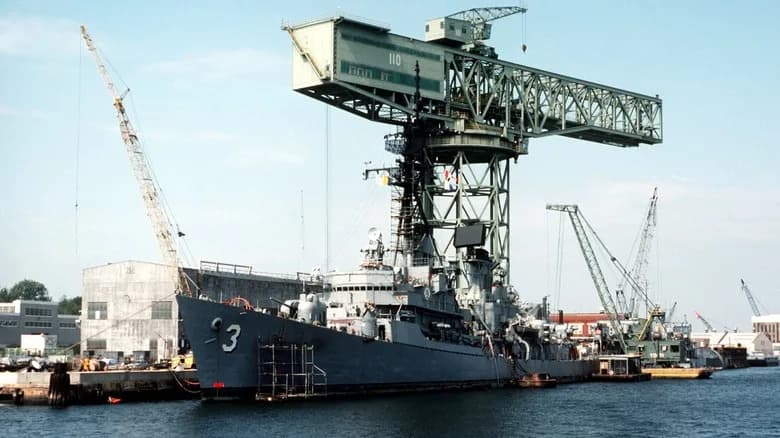
At the same time, the Navy has pressing, concrete needs. The Arleigh Burke‑class destroyer is reaching the limits of an 1980s‑era hull in space, weight and power margins, and dedicated anti‑submarine warfare platforms are in short supply. In my assessment, designing a new destroyer class and restoring ASW capacity should be higher near‑term priorities than a nuclear battleship programme.
Impact On Carriers
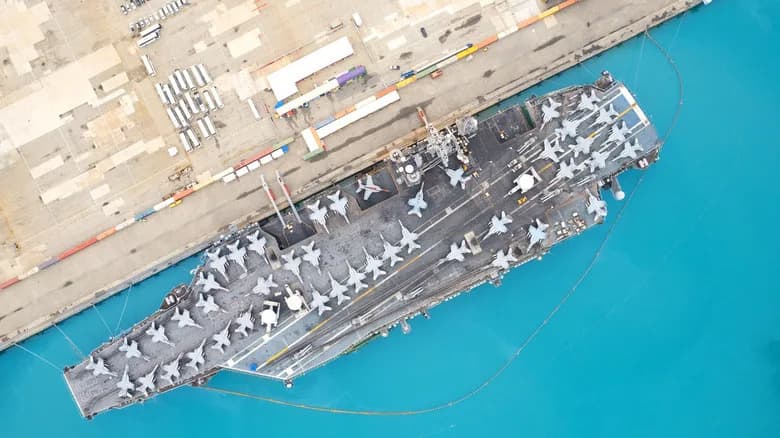
Carriers are already under stress: USS Ford completed an exceptionally long deployment of more than 326 days, and construction timelines for follow‑on carriers have slipped — USS Doris Miller (CVN‑81) is now forecast to take about 15 years to build, and USS Enterprise (CVN‑80) has slipped several months. Given statutory and strategic emphasis on nuclear carriers, anything that diverts reactors, skilled labour or yard time will face strong institutional and congressional resistance.
Conclusion
The Trump‑class proposal is ambitious and provocative. If budgets were unconstrained and the fleet modernised, a large, power‑rich surface combatant with directed energy and electromagnetic weapons would be an interesting capability. In the real world of constrained budgets, a limited reactor production base and immature high‑power weapons, the programme faces long odds. It risks diverting funds, skilled people and industrial capacity away from more urgent shipbuilding needs — especially carriers, destroyers and anti‑submarine platforms. My view: the battleship idea is likely to be sidelined unless the underlying weapon systems and industrial bottlenecks are resolved.
Help us improve.