The article investigates why about one in three working‑age adults in parts of east Birmingham are economically inactive. It links the problem to long‑term deindustrialisation, poor local job availability, transport obstacles and health-related barriers. Personal testimonies—from young people applying for hundreds of jobs to those retraining after illness—illustrate the human impact. Local schemes such as WorkWell and The King's Trust, plus government Youth Guarantee incentives, aim to help, but structural challenges remain.
'You're ghosted': Why One in Three Working-Age Adults In Parts Of East Birmingham Are Out Of The Labour Market

Liam Peers is working at Acorns charity shop for some much-needed experience [BBC]
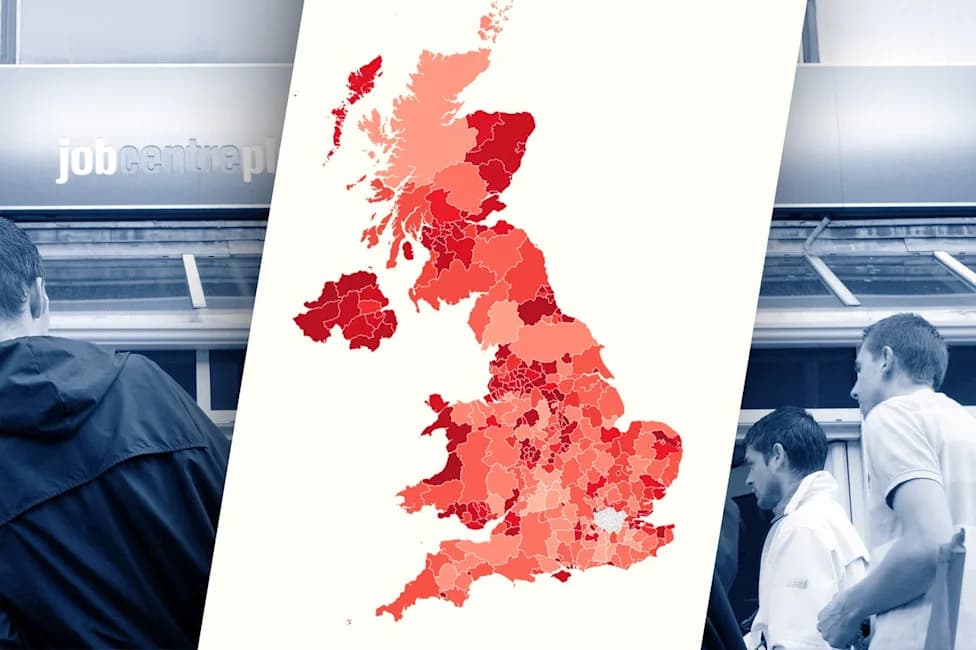
Parts of east Birmingham — including Hodge Hill, Shard End and Castle Bromwich — are a stark example of a broader national challenge: unusually high levels of economic inactivity among working‑age people. Recent Office for National Statistics data show that in some local communities roughly one in three people aged 16 to 64 are classified as economically inactive — that is, they are not in work and not currently seeking or available for work.
One in three people in the parliamentary constituency of Hodge Hill and Solihull North in Birmingham are out of work [PA Media]
How Did This Happen?
These suburbs were historically supported by manufacturing and foundry jobs. Decades of deindustrialisation have reshaped the local economy: many entry-level and low‑skill roles that once existed locally have gone, leaving residents dependent on fewer, more specialized employers and often forcing people to look for work many miles away.
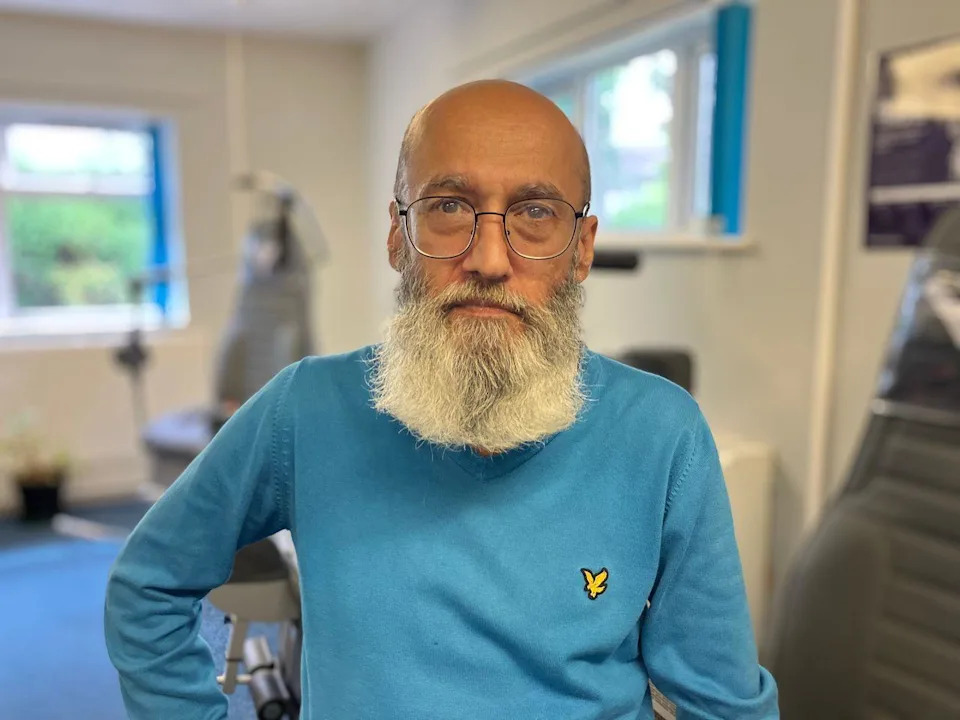
Hanif Hall worked in warehouses for 20 years but is suffering from health issues [BBC]
Barriers Beyond Jobs
Local charities and training providers point to a mix of persistent problems: long-term health conditions that make work difficult, low local job density, poor transport links, and limited opportunities to gain experience or retrain. The result is not simply unemployment — which denotes people actively seeking work — but economic inactivity, a larger group that includes people who face sustained barriers to taking paid employment.

Jo said he had improved in confidence thanks to the work of the King's Trust [BBC]
Voices From The Community
"You're either getting ghosted or it's just like 'oh, sorry we've got a better candidate'," said 20-year-old Liam Peers, who applied for around 100 jobs after leaving college and received a single interview. To gain experience he volunteers at the Acorns Hospice charity shop in Shard End.
Other personal stories illustrate diverse obstacles: long-term illness, difficulty communicating during interviews, fierce competition for clinical placements, and the extra discouragement faced by neurodivergent jobseekers. For example, Hanif Hall, a former warehouse worker with Crohn's disease, described how two decades of physical work worsened his health and why a tailored support coach through the WorkWell programme has been important for retraining and applying for new roles.

Oluchi has a biomedical science degree but found that placements were highly competitive [BBC]
Local Support And National Policy
A number of voluntary and statutory programmes are active locally. Saheli Hub delivers training and helps people access distant job markets; The King's Trust (formerly The Prince's Trust) runs Get Into programmes for 11–30-year-olds to build confidence and workplace skills; WorkWell is a pilot by the Department for Work and Pensions (DWP) and the Department of Health and Social Care offering coaching and support for people with health-related barriers.

Joseph hopes to increase their confidence and employment skills [BBC]
The government has also announced measures under a Youth Guarantee package: plans for 300,000 additional work-experience places, a £3,000 hiring bonus for employers who recruit a young person out of work for six months or more, and a planned £2,000 incentive for small and medium-sized businesses hiring new young apprentices.
What Residents And Employers Say
Local employers warn that rising labour costs, such as higher minimum wage and National Insurance, can make hiring harder for small firms. Ministers point to targeted tax breaks for hiring under-21s and stress the need to avoid negative public narratives that label young people as lazy, urging instead a message of support and belief in young jobseekers.
Outlook
Longstanding structural issues — deindustrialisation, geographic isolation of jobs, health barriers and competition for limited opportunities — help explain why economic inactivity remains high in parts of east Birmingham. Local programmes show promising individual outcomes, but reversing the trend will require coordinated action on transport, training, health support and employer incentives.
Help us improve.