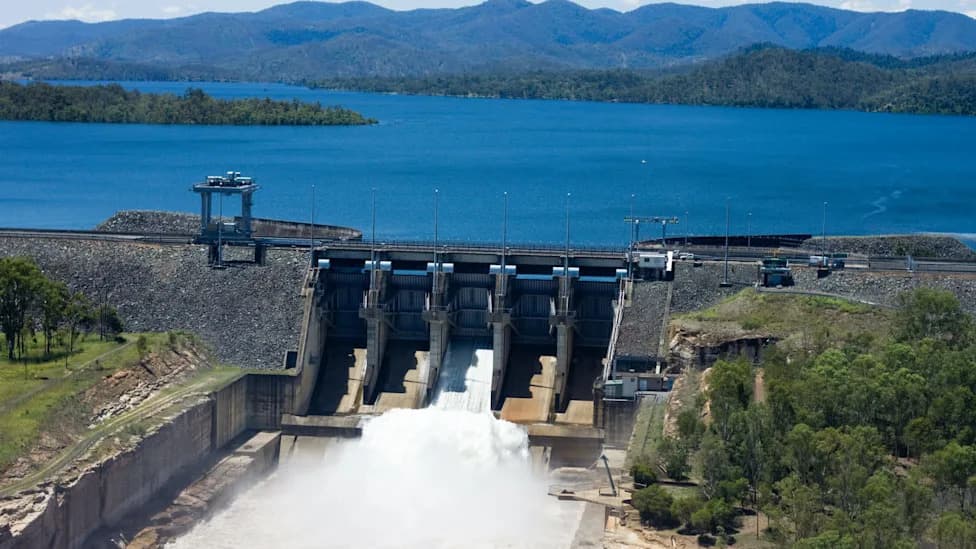
Researchers estimate that tapping just 1% of Australia’s superhot deep rock could yield roughly 20 times the country’s annual electricity demand. New drilling techniques can reach temperatures above 650°F (≈343°C) at depths of about 4–8 km, opening the possibility of baseload clean power across multiple states. While the potential is large and Australia’s mining expertise is an advantage, significant technical, cost and environmental challenges remain and will require demonstration projects, investment and careful regulation.
Tapping 1% Of Australia’s ‘Superhot’ Deep Rock Could Supply 20× Its Electricity — With Caveats
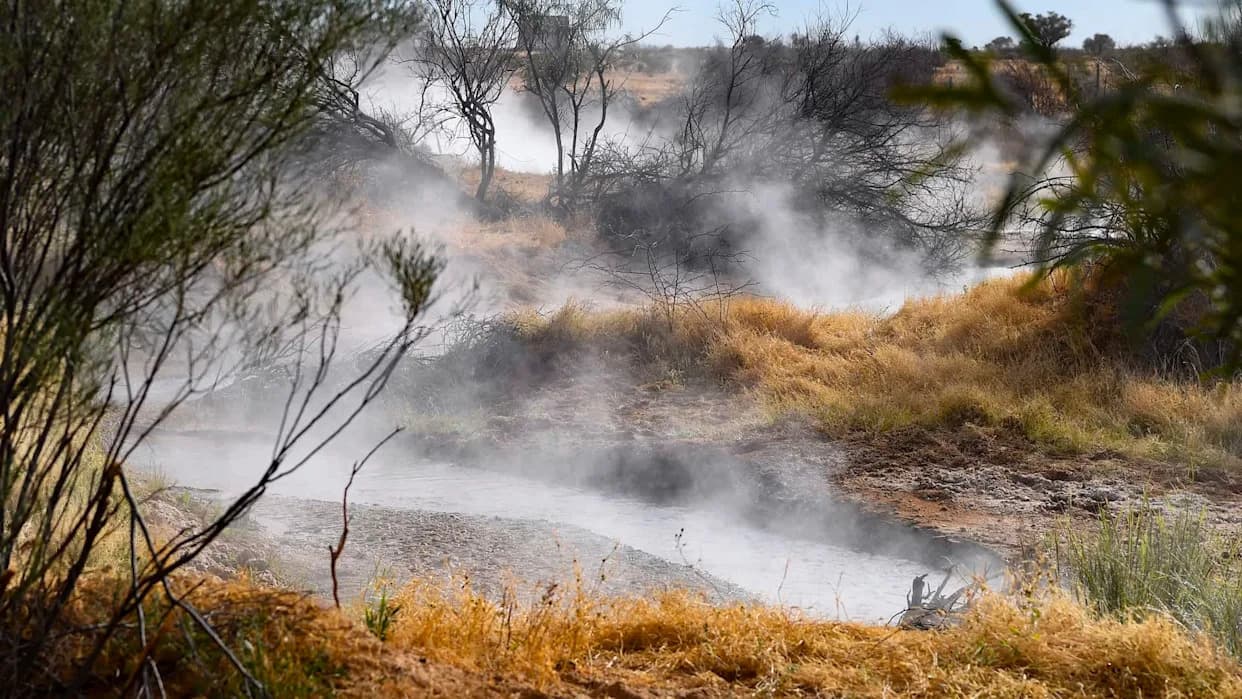
Photo Credit: iStock
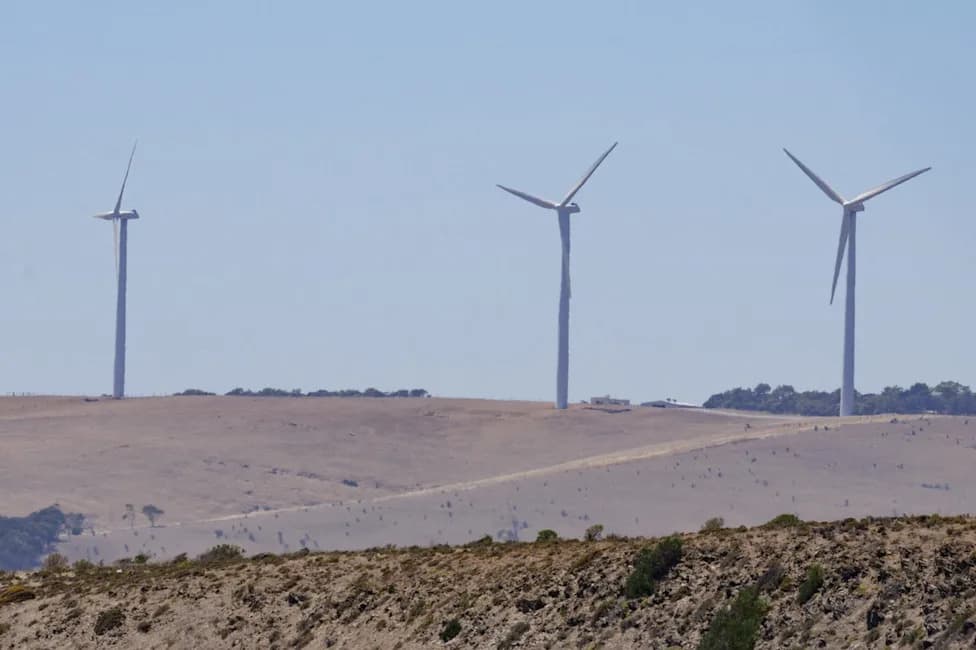
Researchers say that exploiting just 1% of Australia’s vast resource of so-called “superhot” deep rock could theoretically produce the equivalent of about 20 times the nation’s annual electricity demand. The projection has renewed interest in next‑generation geothermal as a continuous, low‑emission source of power that does not rely on sunlight, wind or very large battery systems.
What The Research Says
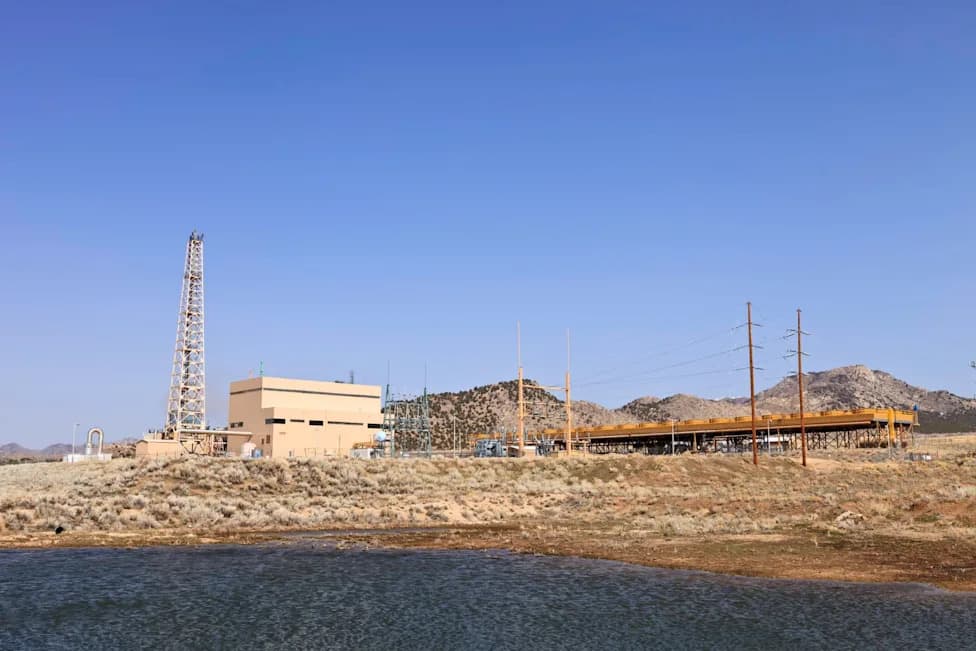
Preliminary estimates, reported by Renew Economy and highlighted by the Clean Air Task Force, suggest that rock hotter than 650°F (≈343°C) occurs in large areas of Australia at depths of roughly 4–8 kilometres. New drilling and engineered‑reservoir techniques aim to access heat at those depths, potentially unlocking very large amounts of always‑on electricity if even a small fraction of the resource is developed.
Why It Matters
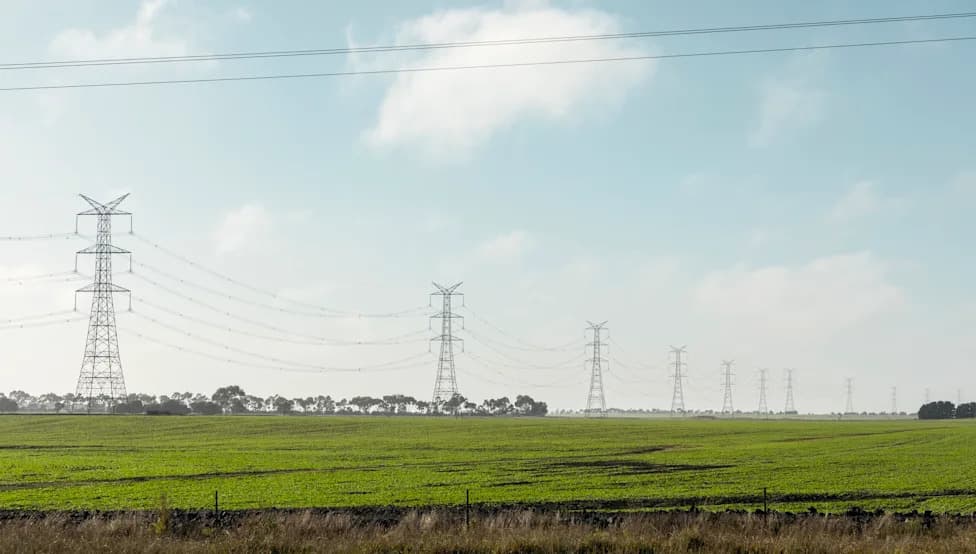
Unlike traditional geothermal tied to volcanic zones, next‑generation approaches could be deployed across multiple states — including Victoria, Tasmania, Queensland, New South Wales and Western Australia — offering a geographically broader path to baseload clean power. Superhot geothermal could support homes, grids and energy‑intensive sectors such as industry, green hydrogen production, data centres and minerals processing without the intermittency of solar or wind.
Advantages Australia Brings
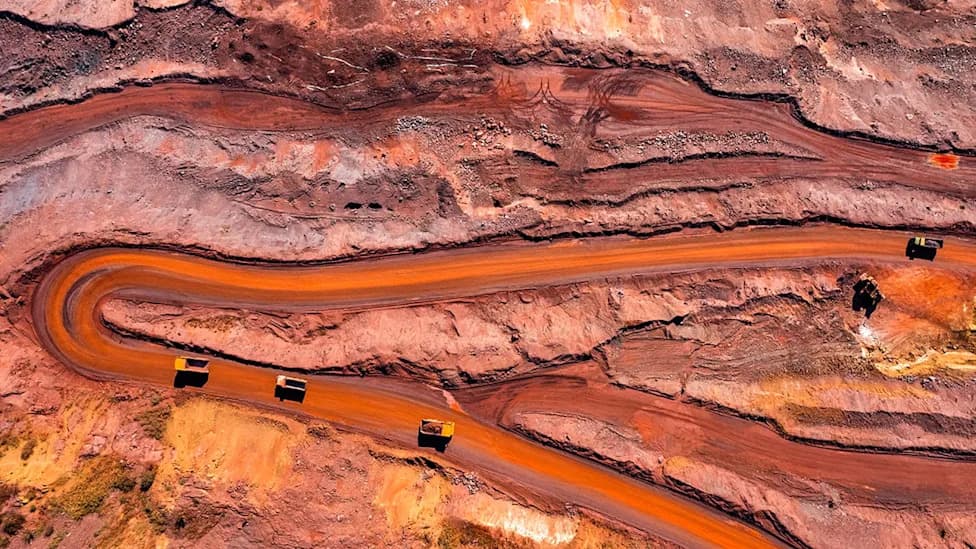
Australia’s mining sector provides deep‑subsurface experience, advanced geoscience capability and strong engineering capacity that could accelerate exploration and deployment, create jobs and support transitions for workers leaving fossil‑fuel industries. International reviews (ARENA, the Australian Geothermal Association and Geoscience Australia) and advances in the U.S., China and Germany show technical progress is underway.
Challenges And Uncertainties
These estimates are preliminary and optimistic scenarios rest on several uncertainties. Reaching 4–8 km depths is costly and technically demanding, and commercial rollout will require lower costs, successful demonstration projects and supportive policy. Environmental considerations — including water use, induced seismicity and subsurface impacts — must be managed carefully. The International Energy Agency notes that next‑generation geothermal could play a major role if the industry reduces costs and scales safely.
Bottom Line
Superhot geothermal represents a potentially transformative, always‑on clean energy option for Australia, but translating theoretical resource estimates into reliable, affordable power requires further R&D, demonstration projects and responsible regulation.
Help us improve.