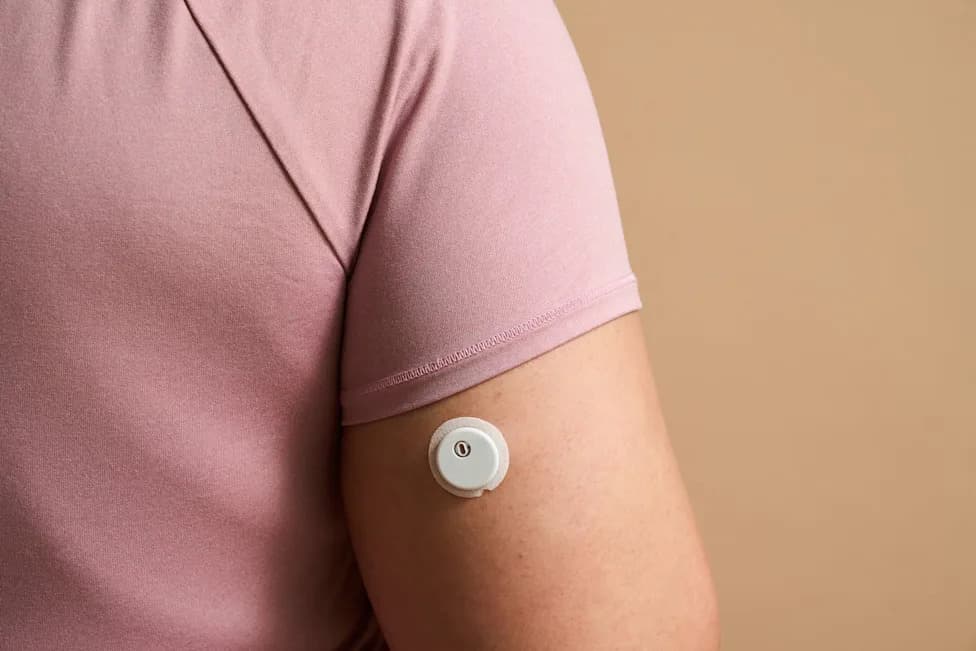
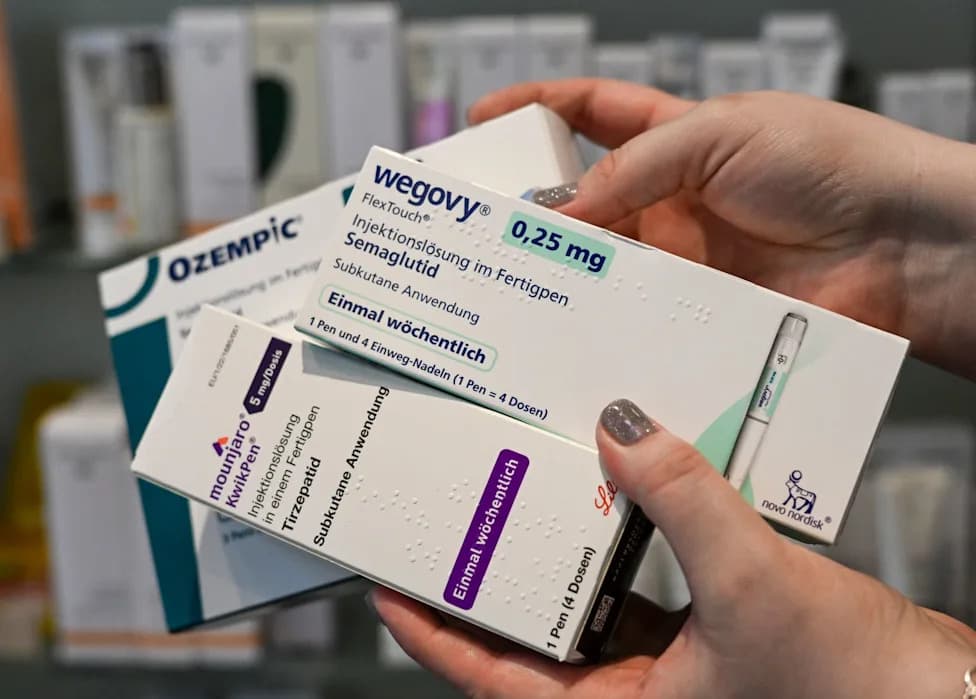
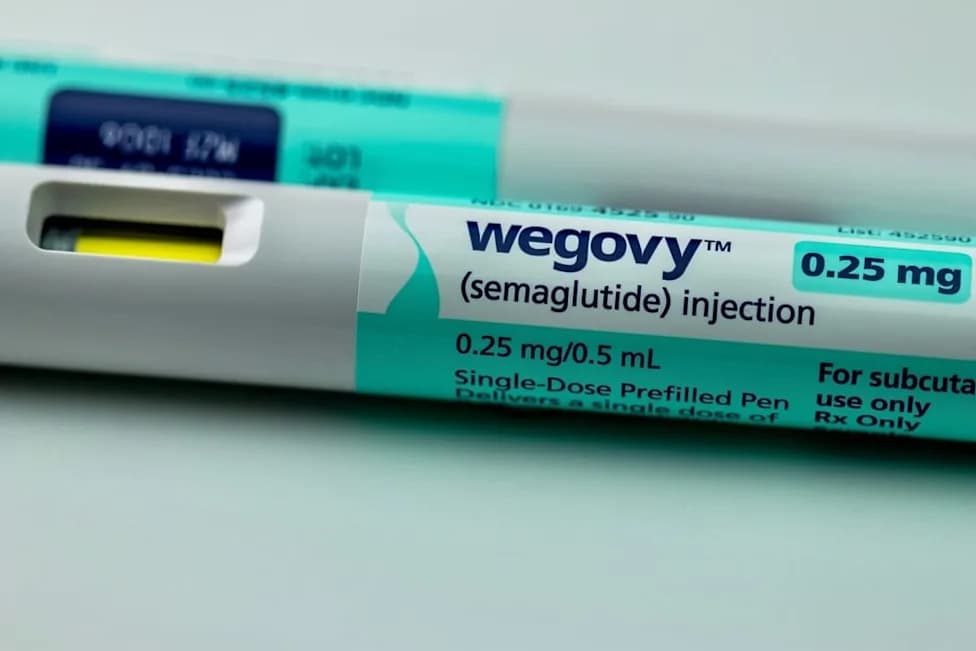
Dexcom's G7 continuous glucose monitor improved glucose control in a 26‑week trial of 283 people with type 2 diabetes who were not on insulin. G7 users experienced an average 1.6 percentage‑point reduction in HbA1c at 26 weeks — 0.9 points more than the self‑monitoring group. The device also showed notable benefit in patients taking GLP‑1 drugs. A six‑month extension will provide data up to 12 months.
Dexcom G7 Significantly Improves Glycemic Control in Non‑Insulin Type 2 Diabetes — 26‑Week Trial
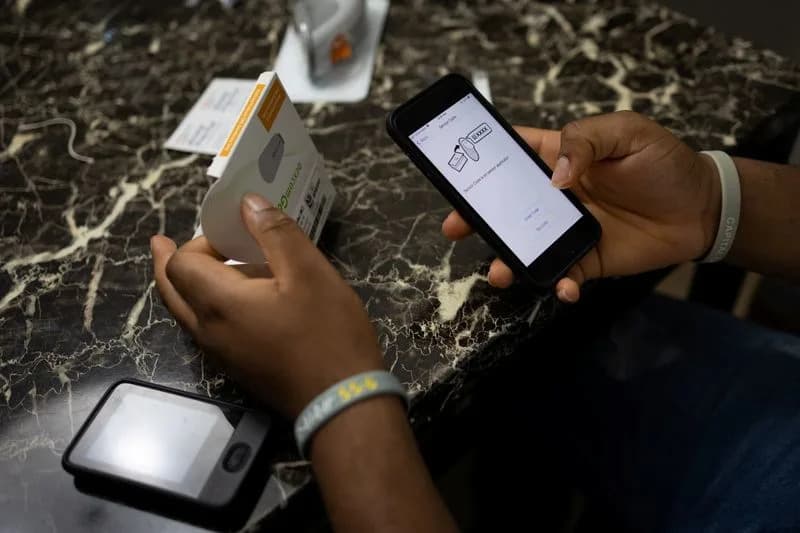
Dexcom's continuous glucose monitoring system, Maryland, U.S., July 15, 2021. REUTERS/Hannah Beier
Medical device maker Dexcom reported that its G7 continuous glucose monitor (CGM) produced meaningful improvements in blood glucose control for people with type 2 diabetes who are not using insulin, according to results presented at the American Diabetes Association meeting.
Study Design
The 26-week randomised trial enrolled 283 adults with type 2 diabetes who were not on insulin. Approximately half were assigned to use the Dexcom G7 CGM while the others continued routine self-monitoring of blood glucose (finger‑stick testing). Most participants were taking standard diabetes medications such as metformin, GLP-1 receptor agonists and SGLT2 inhibitors.
Key Results
- Primary outcome: At 26 weeks, participants using the G7 experienced an average 1.6 percentage-point reduction in HbA1c (a standard measure of longer-term blood glucose control), which was 0.9 percentage points greater than the reduction seen in the self-monitoring group.
- Medication subgroup: Among participants taking GLP-1 drugs, G7 users saw a 1.4 percentage-point drop in HbA1c versus a 0.2 percentage-point reduction in the control group.
"Our hope is that this will substantially influence the standard of care and it'll improve access for all people with type 2, including those not on insulin, to CGMs," said Tamara Oser, professor at the University of Colorado Anschutz and the study's principal investigator.
Dexcom CEO Jake Leach commented that the results demonstrate clear clinical and potential economic benefits and could help shape new standards of care and payer coverage policies.
Context and Implications
Continuous glucose monitors are wearable devices that provide near‑continuous glucose readings without routine finger pricks. Growing awareness, broader insurance coverage, and easier device use have driven CGM adoption. This trial suggests that CGMs like the G7 can offer added glycaemic benefit even for people with type 2 diabetes who are not treated with insulin, and particularly when used alongside common glucose‑lowering medications.
Limitations and Next Steps
The study population was modest in size and limited to a 26‑week primary analysis; a six‑month extension is ongoing and will provide data up to 12 months. Longer and larger studies will help clarify durability, real-world adherence, and cost‑effectiveness across diverse patient groups.
(Reporting by Sneha S K in Bengaluru; Editing by Shreya Biswas)
Help us improve.