The conviction in Henry Nowak’s death and release of bodycam footage have reignited debates over policing, DEI and the rise of white identity as a political force in Britain. A new poll of ~500 voters shows a sharp left‑right split on political correctness, empathy for different groups, and the importance of white identity — factors that strongly predict immigration attitudes and support for populist parties. While emotionally charged, culture‑war disputes remain secondary to issues such as immigration and cost of living, and the article argues that open public debate is needed to reduce polarisation and improve institutional accountability.
How Far Could 'White Rage' Escalate? The Nowak Case and Britain’s Identity Politics
White Rage
The conviction of the man who killed 18‑year‑old Henry Nowak, together with released police body‑worn camera footage of his final moments, has intensified a fraught national debate about policing, identity and the role of diversity, equity and inclusion (DEI) in British institutions. The case has been framed variously as evidence of institutional bias, as fuel for far‑right grievance, and as a tragic example of failures in policing and public judgement.
The Case and Immediate Reactions
Bodycam footage appears to show officers accepting a version of events in which the suspect alleged a racist attack, while the victim said he had been stabbed and could not breathe. Critics argue that the rapid acceptance of the suspect’s account exposed a perceived "two‑tier" justice system, while political leaders offered sharply divergent interpretations.
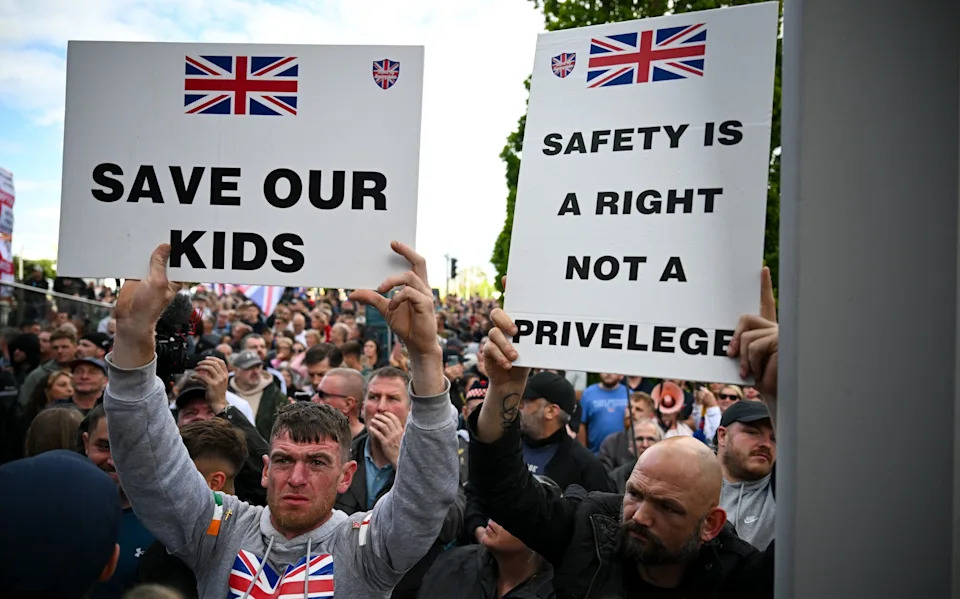
Violent protests in Southampton are just ‘the beginning’, says Nigel Farage - Finnbarr Webster/Getty Images
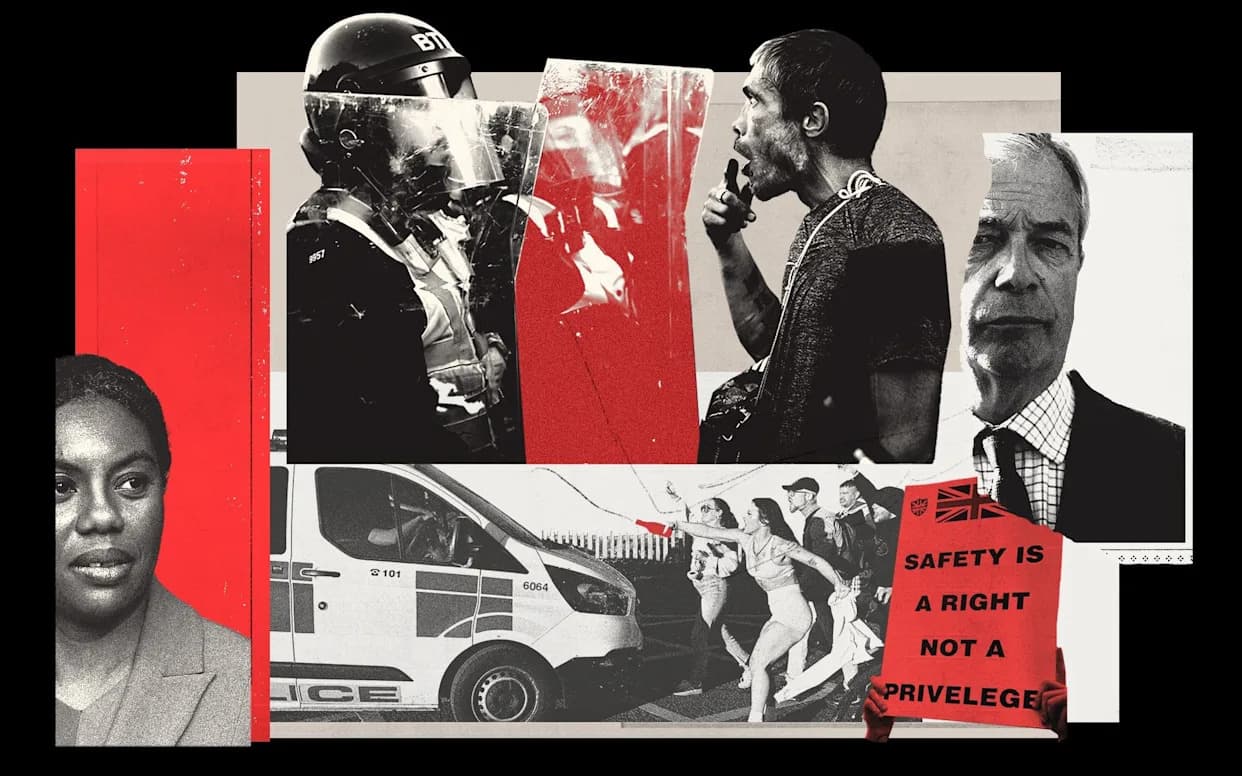
Nigel Farage called Nowak "killed by DEI" and urged a response of "pure, cold rage," warning that tensions could deepen into further unrest. By contrast, Sir Keir Starmer accused Farage of exploiting the tragedy to stoke division, and Kemi Badenoch criticised inflammatory rhetoric that she said risked provoking wider conflict.
DEI, 'Woke' Culture And The Law
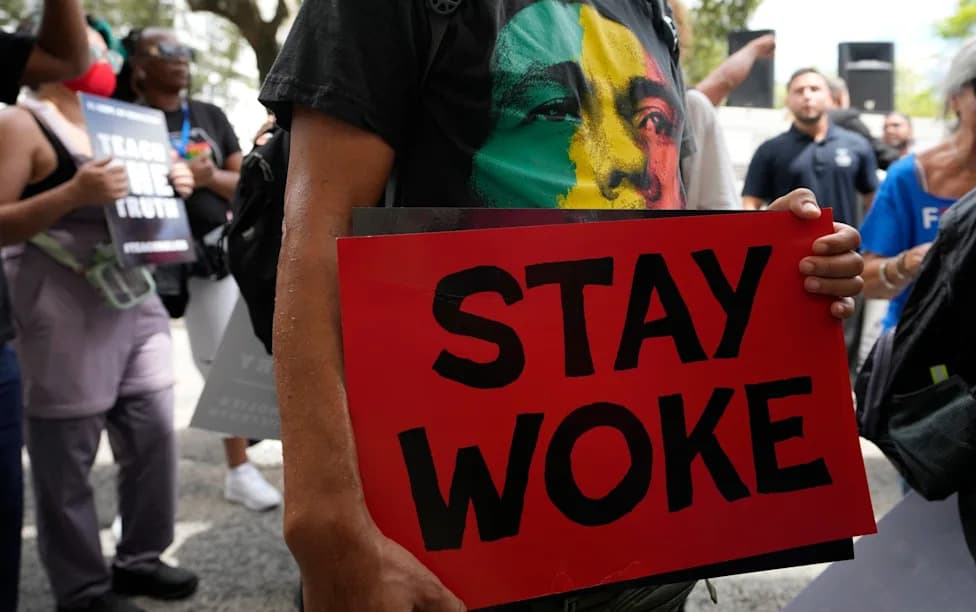
The dispute has reignited arguments over so‑called "woke" ideas and DEI policies. Critics argue that policies which prioritise outcomes for historically marginalised groups can produce unintended consequences: restrictions on speech, differential protections, and cultural capture of institutions. Supporters say these measures correct entrenched inequalities and promote inclusion.
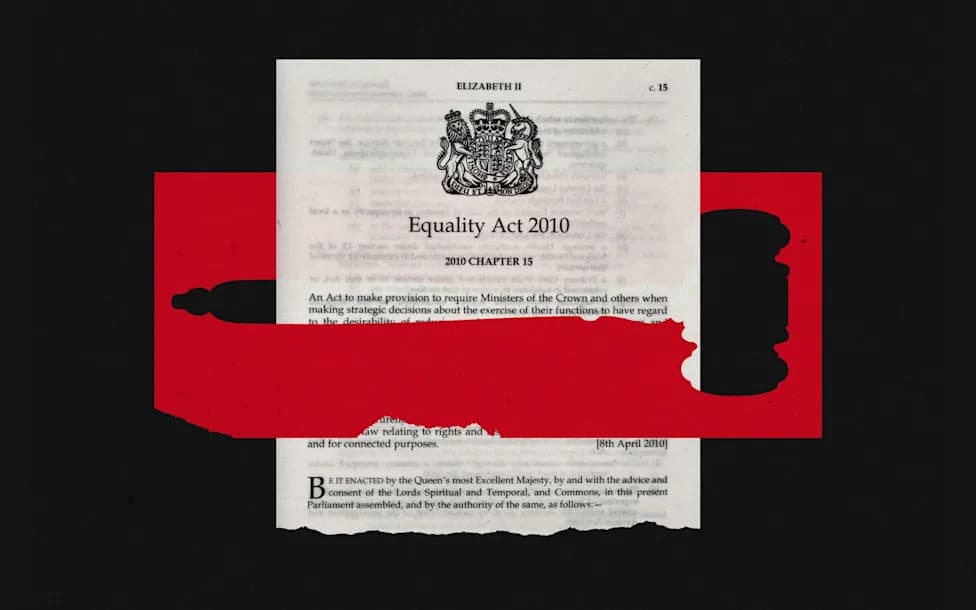
In Britain the Equality Act 2010 (notably sections 158–159) allows for "positive action" to support underrepresented groups and broadened the legal framework to cover indirect or systemic discrimination. The legislation obliges public bodies to promote good relations between people with and without protected characteristics — a provision that has been interpreted and implemented in diverse ways across institutions.
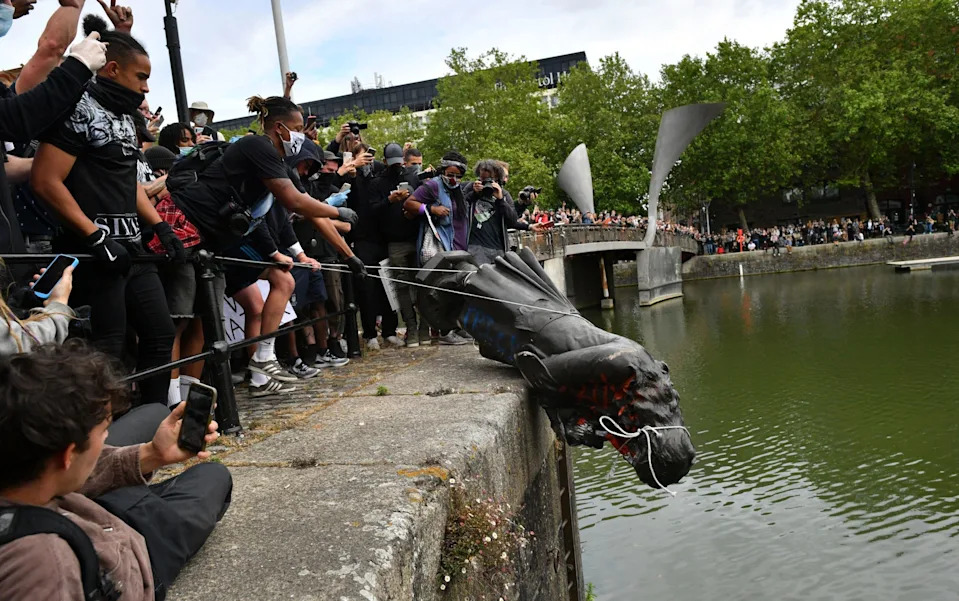
During Black Lives Matter demonstrations in Bristol, protesters toppled the statue of a 17th-century slave trader - Ben Birchall/PA
Institutional Capture and Public Perception
Concerns about "woke capture" focus on the perceived dominance of progressive staff in HR, communications and policy roles across universities, the civil service, the BBC, the NHS and other organisations. Surveys and leaked reports cited in public debate suggest these environments can become echo chambers, although the extent and impact of that phenomenon are contested.
Polling: A Sharp Cultural Divide
A fresh poll of roughly 500 British voters on the Prolific platform reported large left‑right differences in attitudes toward political correctness, protection from discrimination and sympathy for different groups. For example, 71–78% of left‑leaning voters said political correctness "protects against discrimination," while only 17–35% of right‑leaning voters agreed. Conversely, a majority of right‑leaning respondents said political correctness "stifles free speech."
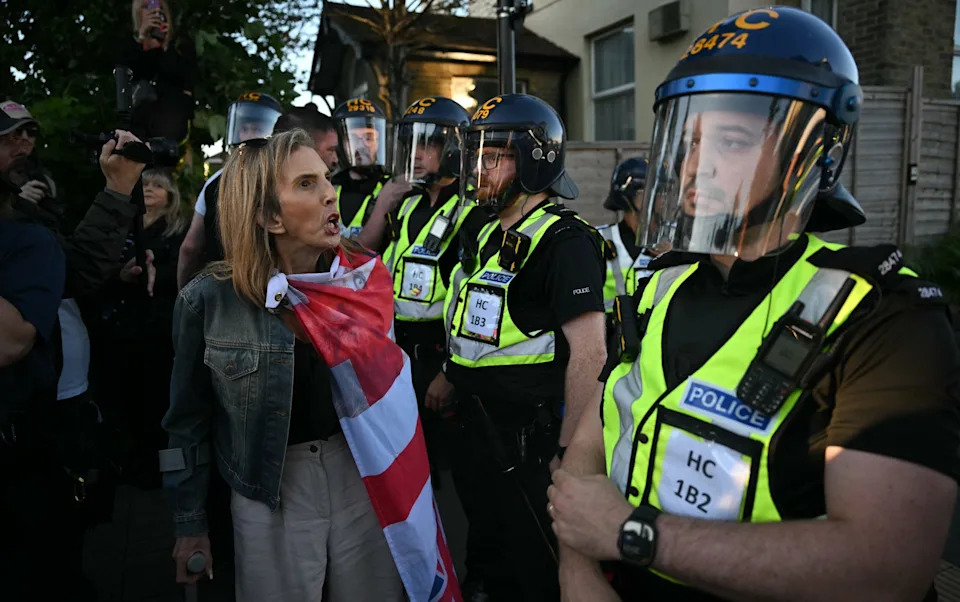
Nowak’s murder has acted as a ‘watershed moment’ to confront Britain’s ‘two-tier culture’ - Justin Tallis/AFP
The survey also found that attachment to white identity is a strong predictor of immigration attitudes: 71% of white people who say their racial identity is very important favour major reductions in immigration, compared with 28% among those who say their identity is unimportant. These dynamics help explain support for populist right parties such as Reform.
Demographics, Anxiety And Political Consequences
Demographic change — the Office for National Statistics recently reported that babies born to migrant parents reached about 40% of births for the first time — amplifies anxieties among some voters. For many conservatives, concerns about demographic decline and perceived unequal treatment combine to form a potent political grievance.
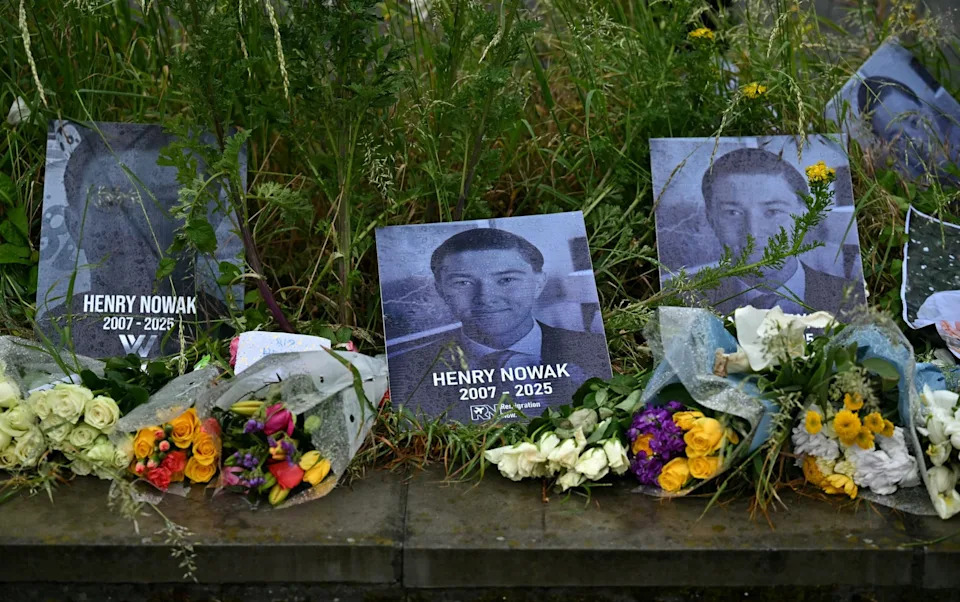
The aftermath of Nowak’s death proves Britain’s culture war is not some trivial tempest in the campus teacup - Ben Stansall/AFP
However, while emotive and potentially destabilising, culture‑war disputes currently rank below immediate voter priorities such as immigration and the cost of living. In the author’s survey, only 13% of Reform supporters put "two‑tier policing" among their top two issues; immigration dominated as a motivating issue.
Risk Of Violence And The Role Of Electoral Outlets
Street violence and political radicalisation are partially independent of electoral politics. Research suggests that far‑right violence tends to decline when populist movements have viable electoral channels because political representation provides an outlet for grievances. Public tolerance for violence against police remains low, which may curb the spread of unrest even amid heated rhetoric.
Conclusion
The Nowak case has crystallised long‑running tensions about race, policing and institutional culture. It has boosted the visibility of white identity politics among certain voters and sharpened the cultural divide between "woke" and "anti‑woke" constituencies. Constructive, transparent public debate — rather than suppression or incendiary rhetoric — will be essential to defuse polarisation and to identify practical reforms that improve policing, fairness and social cohesion.
Help us improve.