Summary: The word "woke" began as a warning to stay alert to injustice and was revived by Black activists and artists before entering mainstream political language. Adopted and sometimes appropriated by a wider left, it later became a target for critics who linked it to language policing, identity politics and cancel culture. A growing shift toward economic and class issues — described by some as "Woke 2.0" — suggests the term's meaning continues to evolve and its political salience may be cooling.
How 'Woke' Evolved: From a Warning to a Culture‑War Flashpoint
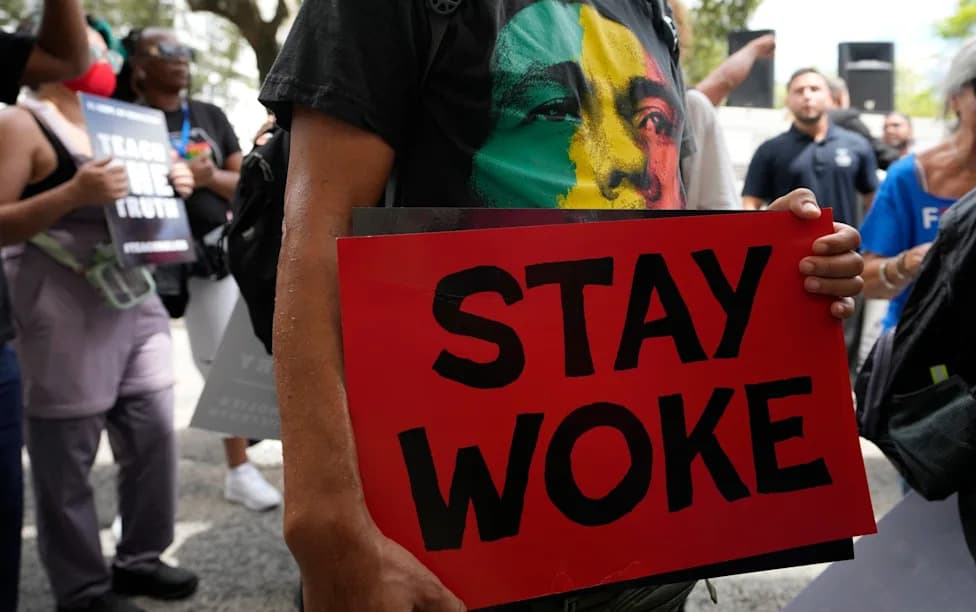
Few words in recent years have acquired quite as much baggage as 'woke' - AP Photo/Lynne Sladky
Everywhere the label "woke" appears, its meaning seems to shift. Recently the word has been attached to a disparate set of controversies: accusations that Grand Theft Auto VI has become less overtly masculine, objections to a painting at the US embassy in the Dominican Republic, and the removal of rapper Macklemore from a tour after he chanted "Free Palestine." These examples show how elastic — and contested — the term has become.
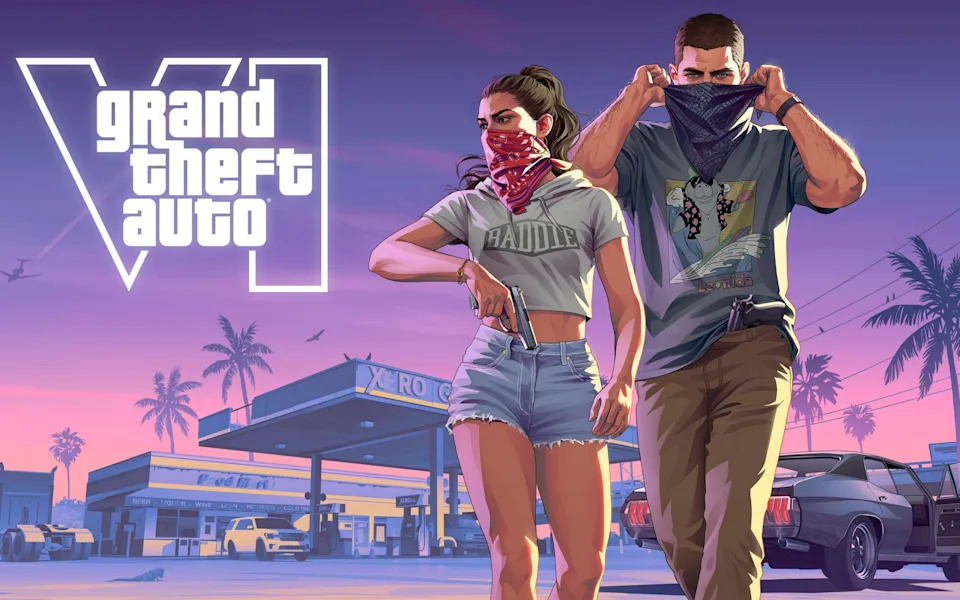
Grand Theft Auto VI has been accused of going 'woke', amid claims the famously violent game has become less masculine
Roots: Alertness and Survival
The earliest modern usages of "woke" conveyed vigilance. In a spoken coda to his 1938 song about the Scottsboro Boys, Lead Belly warned listeners to "best stay woke, keep your eyes open," using the word as a literal survival strategy: be alert to injustice and danger. William Melvin Kelley's 1962 New York Times piece "If You're Woke You Dig It" and Erykah Badu's 2008 refrain "I stay woke" continued that sense of moral and political awareness.
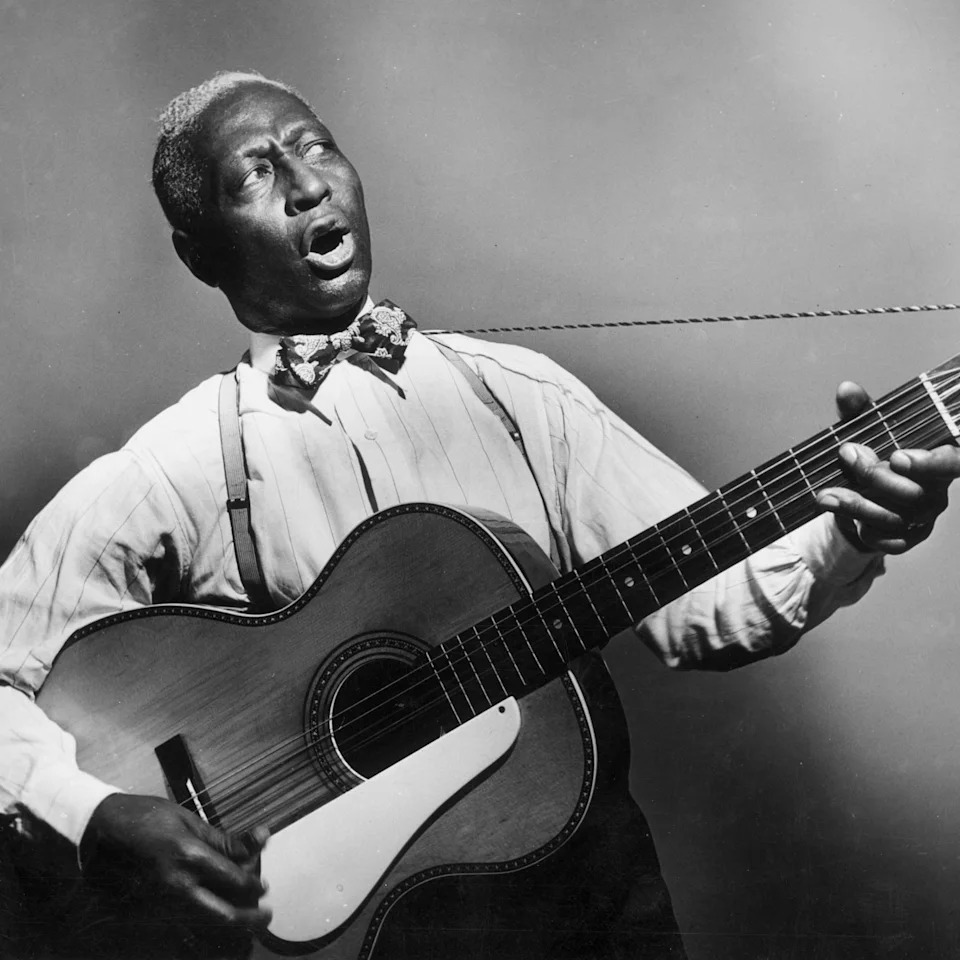
Blues singer Lead Belly used the word 'woke' to mean being alert to injustice in his 1938 song Scottsboro Boys - Getty/Hulton Archive
From Black Activism to Mainstream Catchphrase
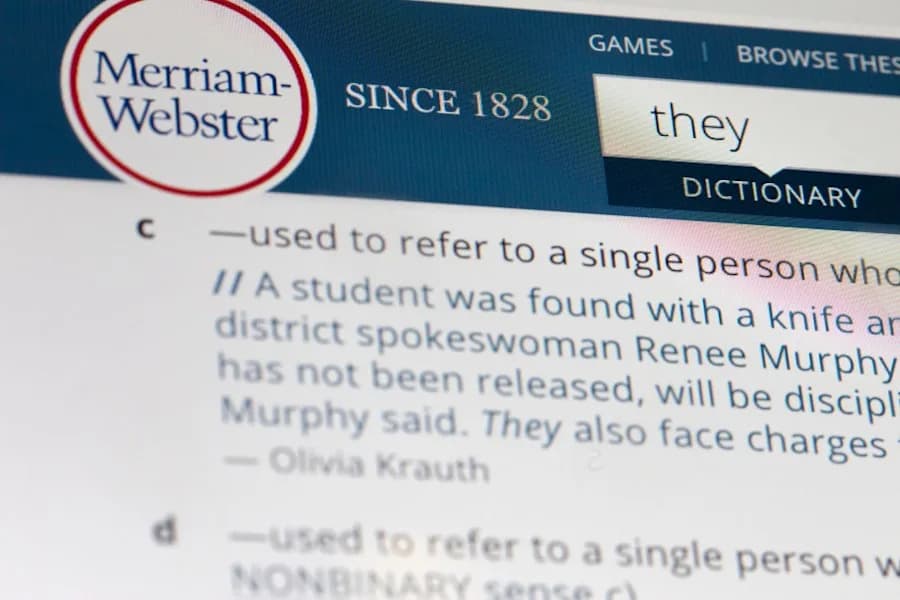
The phrase reentered broader political language in the 2010s through the Black Lives Matter movement. "Stay Woke" became a slogan after George Zimmerman's acquittal and the movement's emergence in 2013, and it gained renewed attention during the protests following George Floyd's killing in 2020. By 2017 Merriam‑Webster had added a political sense of "woke," signaling the word's transition from subcultural jargon to mainstream vocabulary.
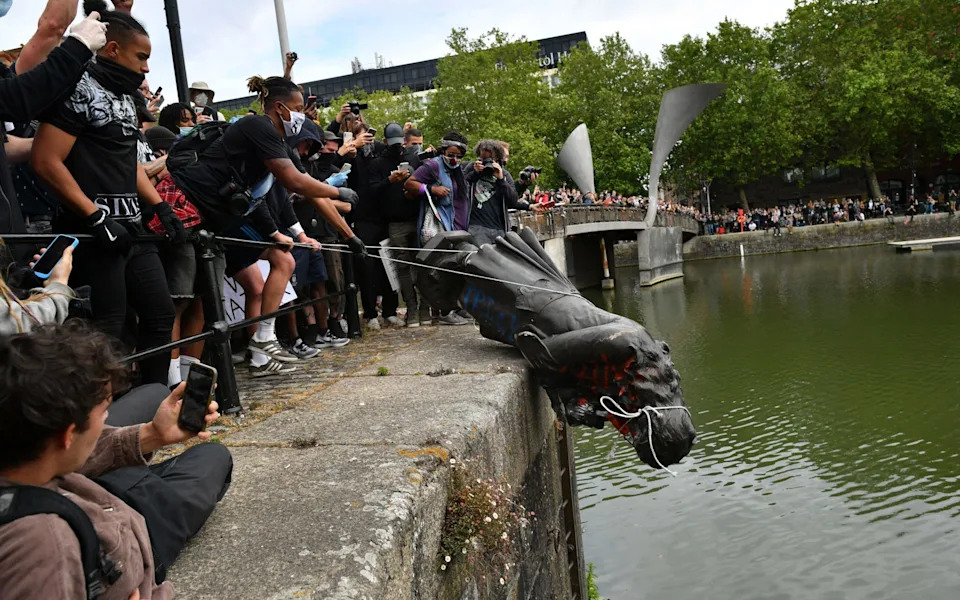
The toppling of Edward Colston's statue in Bristol in 2020 became one of the defining moments of Britain's culture wars - PA Wire/Ben Birchall
Adoption, Appropriation and Backlash
By the mid‑2010s some white activists adopted "woke" as a badge of virtue. Critics, however, observed this adoption as a form of performative self‑congratulation and began to use the term derisively. Satirical pieces and commentaries highlighted a pattern of "calling out" or public shaming that many associated with contemporary woke practice.
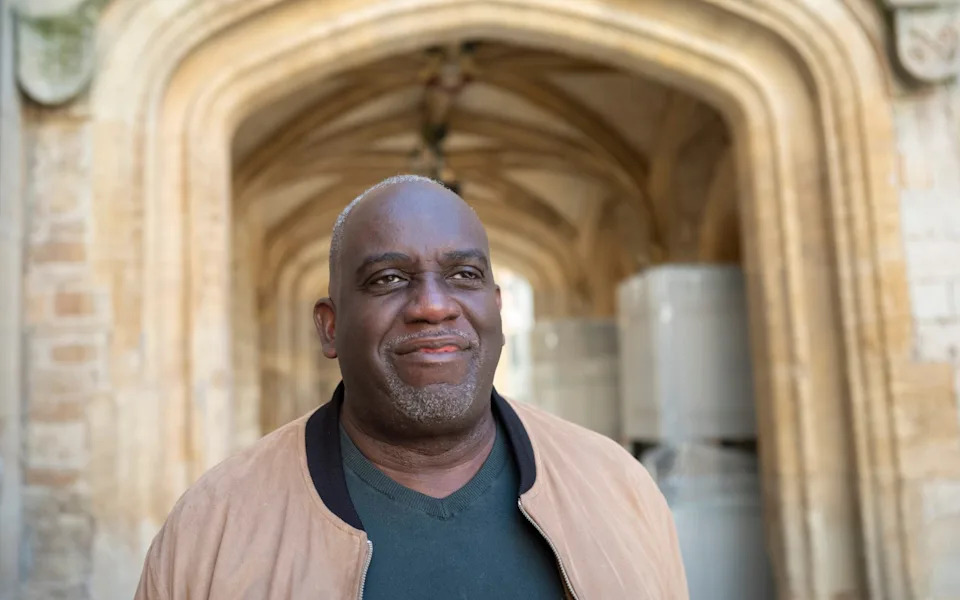
Lord Sewell has criticised 'woke' politics for overlooking the struggles of white working-class boys - David Rose For the Telegraph
"To stay woke" originally meant to remain alert to injustice; later it became shorthand for a range of progressive positions — and the target of sustained backlash.
What People Mean By "Woke"
Definitions vary widely. Polling by King’s College London (2021) and research by pollster Frank Luntz (2021) found broad confusion: many people did not know precisely what the term meant, while others saw it as either necessary social correction or a censorious political force that silences disagreement. Critics commonly associate "woke" with identity politics, language policing (for example, replacing "women" with phrases such as "birthing people"), diversity quotas, cancellation culture, and symbolic acts such as the toppling of Edward Colston's statue in Bristol.
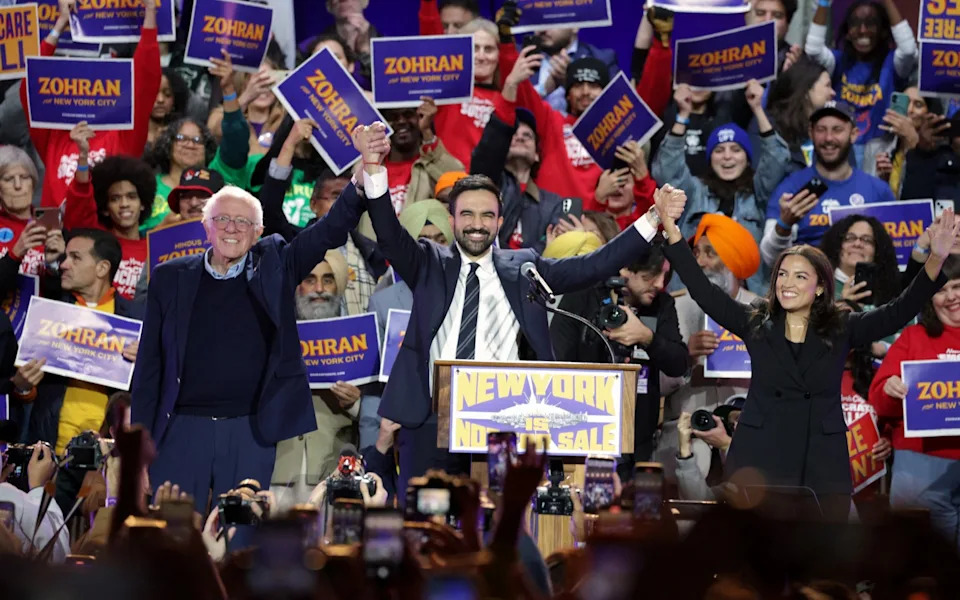
Bernie Sanders, Zohran Mamdani and Alexandria Ocasio-Cortez are among those on the American Left putting economic inequality and affordability back at the heart of their politics - Getty/ANGELA WEISS
Language, Power and "Verbal Hygiene"
Deborah Cameron, author of Verbal Hygiene, argued that language debates are not new but that contemporary controversies are more diffuse: they spread across corporations, police forces and public institutions rather than being confined to local councils or campus debates. Cameron warned that policing others' speech tends to be "melodramatic and extremely punitive," and that prescriptive linguistic reform often backfires.
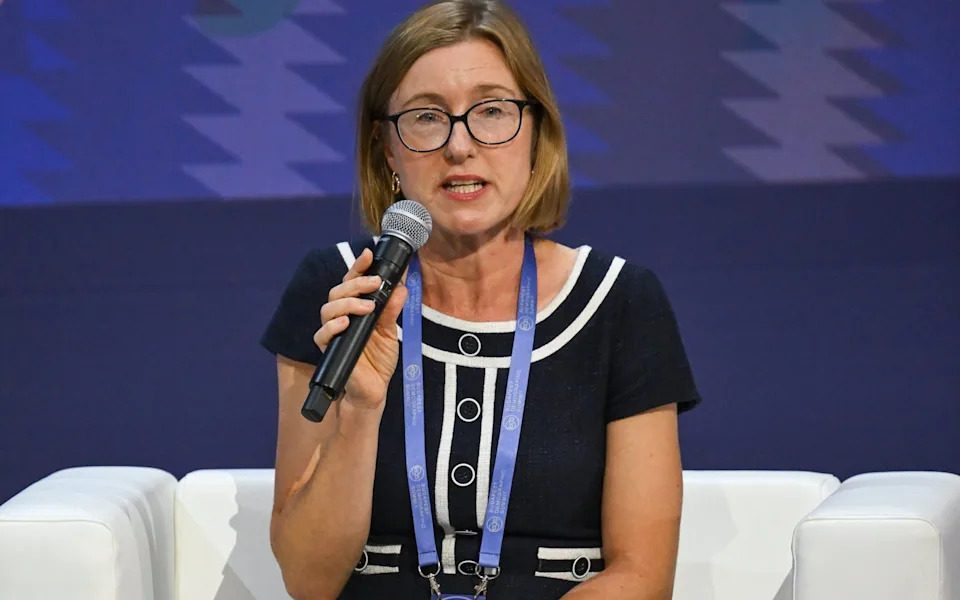
Author Joanna Williams has said she is suspicious of the breakneck speed with which the Left is shifting away from culture and back to economics - Shutterstock/Tibor Illyes/EPA-EFE
Identity, Class and The Next Iteration
Critics argue that early "woke" politics — sometimes dubbed "Woke 1.0" — prioritized identity (especially race and gender) to the detriment of broader socioeconomic concerns. Prominent critics from within minority communities, including John McWhorter and others, have described some contemporary anti‑racist practices as counterproductive or even prejudicial. In response, many on the Left have begun pivoting toward class and economic inequality — what some commentators call "Woke 2.0." Figures from Bernie Sanders to progressive local politicians have refocused attention on affordability, wages and redistribution.
Is "Woke" Waning?
There are signs the political heat around the label may be cooling. Recent YouGov polling in the US shows more people identify as neither "woke" nor "anti‑woke" than with either camp. Linguists like Steven Pinker have described a "euphemism treadmill" in which polite terms acquire stigma and are replaced repeatedly; "woke" may simply be moving down that same path, to be replaced or repurposed in time.
Why the Word Mattered
Even as its meaning splinters, "woke" has been powerful because it names a set of concerns: awareness of injustice, demands for institutional accountability, and efforts to change language and culture. Its rapid rise, subsequent weaponisation, and likely evolution reflect broader tensions about how societies address historic inequality while preserving open debate.
Conclusion: The label "woke" has traveled from practical vigilance to a polarising cultural shorthand. As activists, scholars and politicians debate whether identity or class should anchor progressive politics, the term's definition continues to shift. Whether it declines, transforms, or is replaced, "woke" has already left a lasting imprint on public discourse.
Help us improve.