Campaigners have criticised Sainsbury’s move to phase out brown eggs and source from so-called “efficient” farms, arguing the supermarket is prioritising net-zero targets over animal welfare. Critics point to the chain’s refusal to sign the Better Chicken Commitment and warn that fast-growing breeds cause lameness, poor mobility and higher mortality. Sainsbury’s says switching to white eggs and other supply-chain changes reduce emissions and can improve welfare, but animal groups call for urgent, systemic reforms across the supply chain.
Campaigners Say Sainsbury’s Prioritises Net-Zero Over Animal Welfare After Egg And Chicken Policy Changes

Sainsbury’s claims its shift to only white eggs will improve animal welfare as well as reduce emissions - Mike Kemp/In Pictures via Getty Images
Campaign groups have sharply criticised Sainsbury’s after the supermarket announced it will phase out brown-shelled eggs from its own-brand ranges and stock only white eggs — a move the retailer says will reduce its carbon footprint. Critics say the decision, coupled with the chain’s sourcing strategy from so-called “efficient” farms and its refusal to sign the Better Chicken Commitment (BCC), signals that net-zero targets are being prioritised over systemic animal-welfare reforms.
What Sainsbury’s Says
The retailer argues the switch to white eggs will reduce emissions because hens that lay white eggs have a lower carbon footprint, and it also claims those hens are less prone to feather pecking. Sainsbury’s has pointed to previous supply-chain changes—including a 2023 policy to slaughter some cattle for beef about 20% earlier than the industry norm—as examples of steps it says reduce the carbon footprint of selected products.
Campaigners’ Concerns
Animal-welfare organisations have attacked the move as piecemeal and potentially harmful. Lindsay Duncan of World Animal Protection UK called the egg switch "a step backwards for animal welfare," urging Sainsbury’s to improve conditions across supplier farms rather than rely on product-level changes to meet environmental targets.
"Sainsbury’s is prioritising net zero over animal welfare, but this approach is misinformed," said Duncan.
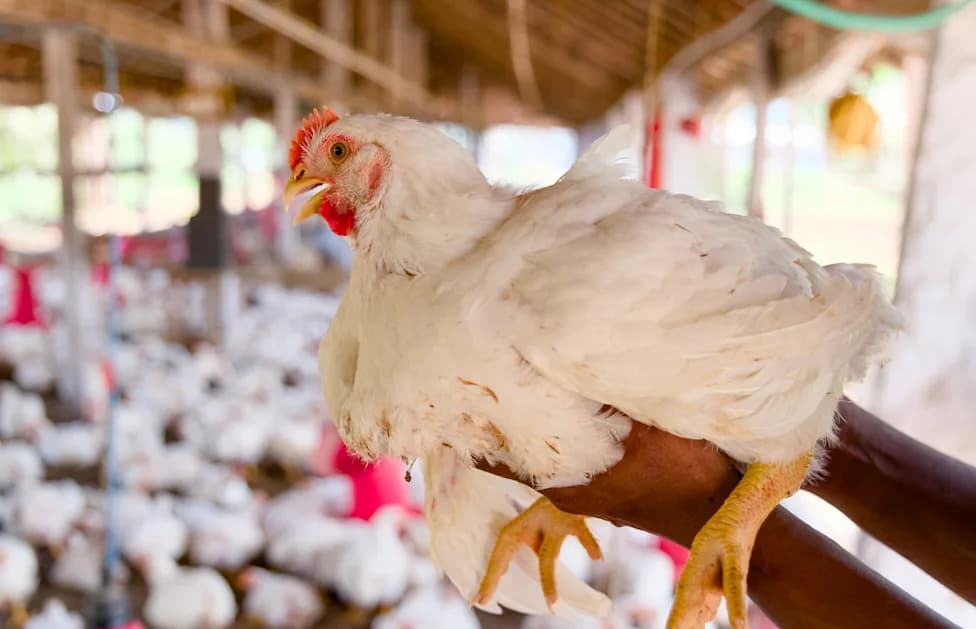
Campaigners also say Sainsbury’s decision not to adopt the Better Chicken Commitment is significant. The voluntary BCC requires retailers to move to slower-growing chicken breeds, which studies and welfare experts say have markedly better leg health, mobility and lower mortality than fast-growing breeds often dubbed "Frankenchickens." Fast-growing birds are associated with lameness, poor mobility and other welfare problems because they gain weight too quickly for their skeletal structure to support.
Evidence And Expert Opinion
Research supports campaigners’ concerns. A study from the Swedish University of Agricultural Sciences found slower-growing breeds exhibited "significantly better leg health and mobility" and lower mortality than faster-growing birds. The Government’s animal welfare committee has warned that an excessive focus on environmental metrics can obscure serious animal-welfare harms resulting from selective breeding for rapid growth.
Hannah Yates of the Humane League urged a balanced approach: "Protecting the environment and protecting animal welfare are both essential. We’d like to see Sainsbury’s urgently prioritising a move away from fast-growing breeds." She described how rapid weight gain can leave chickens unable to support their own weight, causing them to lie in waste and suffer skin damage.
Industry Response And Debate
Some major food companies have recently declined the BCC and instead backed industry-led frameworks that emphasise environmental outcomes or take a broader view of chicken production amid supply pressures. Campaigners say these alternatives fall short of BCC welfare standards and risk allowing companies to trade stronger welfare commitments for sustainability credentials.
A Sainsbury’s spokesman responded: "We have led the way in chicken welfare in recent years, including becoming the first major retailer to give chickens 20% more space than the industry standard. Building on this, our recently announced move to white-shell eggs reflects our continued focus on both sustainability and animal welfare. We will continue to work with our suppliers to explore initiatives which raise standards, while offering customers the value and quality they expect from us."
What This Means For Shoppers
The dispute highlights a broader tension in food retail between meeting carbon-reduction targets and making deep, systemic improvements to animal welfare. Campaigners want retailers to adopt commitments such as the BCC and make supply-chain reforms that prioritise slower-growing breeds and better on-farm conditions, rather than relying primarily on single-product changes to claim sustainability gains.
Help us improve.