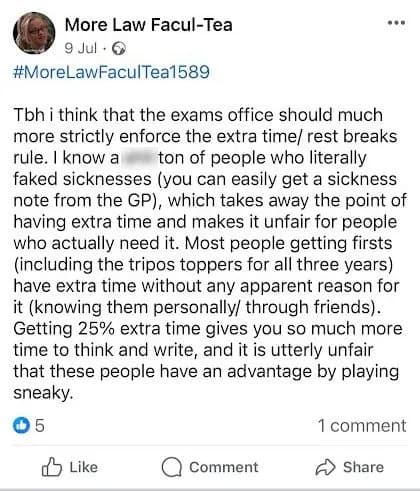
Sophie Morgan, 28, was diagnosed with epilepsy at 13 and says she applied for about 300 jobs in one year, receiving only one interview despite holding a bachelor's and a master's degree. Two brain surgeries in 2024 revealed surgeons could not safely remove the seizure focus, forcing her to stop medication temporarily and leave her job and rented flat. Epilepsy Action research and UK government data highlight widespread employment barriers: only 44% of people with epilepsy are in work and many report discrimination. Charities urge employers to implement simple reasonable adjustments under the Equality Act to help people with epilepsy succeed.
Rejected From 300 Jobs: Living With Epilepsy and Battling Workplace Stigma

Despite having a undergraduate and masters degree, Sophie says she's been rejected from 300 jobs in one year [Sophie Morgan]
Sophie Morgan, 28, was diagnosed with epilepsy at 13. Despite earning a bachelor's degree in education (additional learning needs and inclusion) and a master's in developmental and therapeutic play, she says she applied for about 300 jobs in the past year and received only one interview.

Sophie says trying to find a job is a "constant battle" and feels discriminated against because of her epilepsy [Sophie Morgan]
Job Hunting and Everyday Barriers
Sophie, who lives in Newport, describes a repeated pattern: employers telling her they 'cannot facilitate' her condition, and recruiters falling silent when she discloses epilepsy. 'Trying to find a job with epilepsy is like trying to find a needle in a haystack. It's 10 times harder for us and a constant battle,' she says.
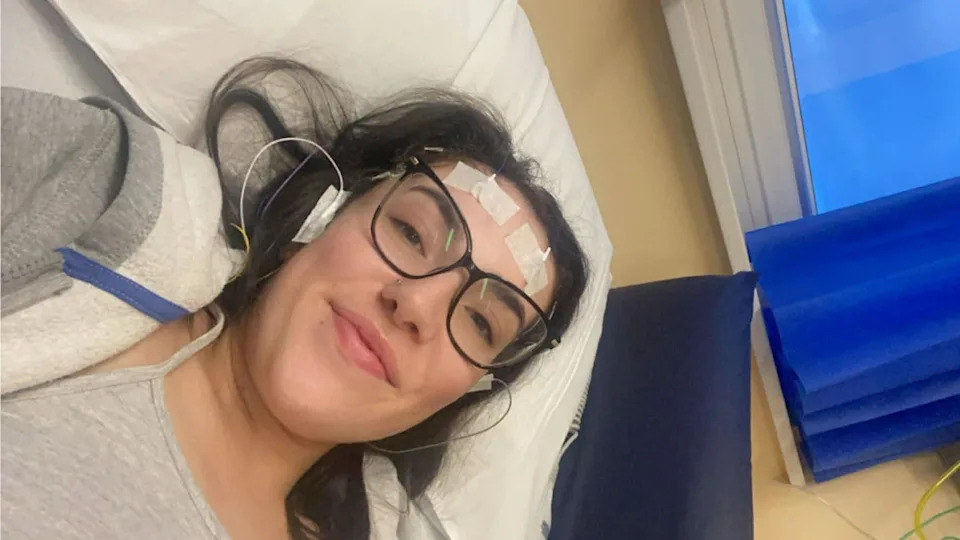
Sophie, who has had epilepsy for 12 years, says her unemployment hurts in "many different ways" [Sophie Morgan]
‘I'm qualified, I'm experienced, I would like to say I'm a nice person... I don't think I'm an issue for a workplace, but they always seem to think I'm an issue.’
Surgery, Setbacks and Life Changes
In 2024 Sophie underwent two brain operations aimed at locating the origin of her seizures. Surgeons concluded it would be too dangerous to remove the seizure focus, meaning she could not pursue a potentially curative procedure. To monitor seizures, she had to stop medication for six months and required 24-hour care for weeks after surgery.
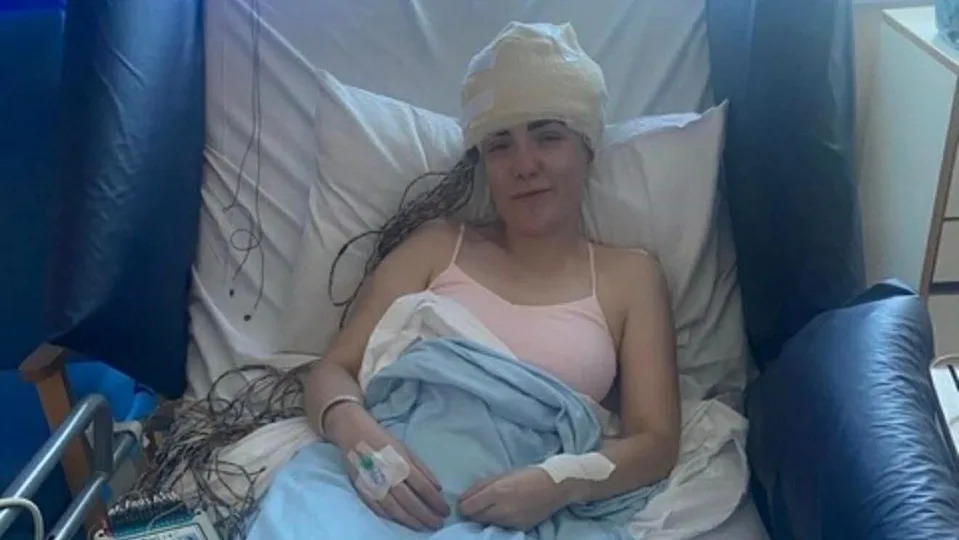
Sophie had a nine-hour brain surgery in June 2024 to try and determine which part of her brain caused her seizures [Sophie Morgan]
The operations forced Sophie to leave a job in children's education and give up her rented flat in Swansea — losses she found deeply upsetting. She moved in with a cousin in Newport; an intended six‑month stay has stretched to two years because she cannot secure paid work to regain independent housing.
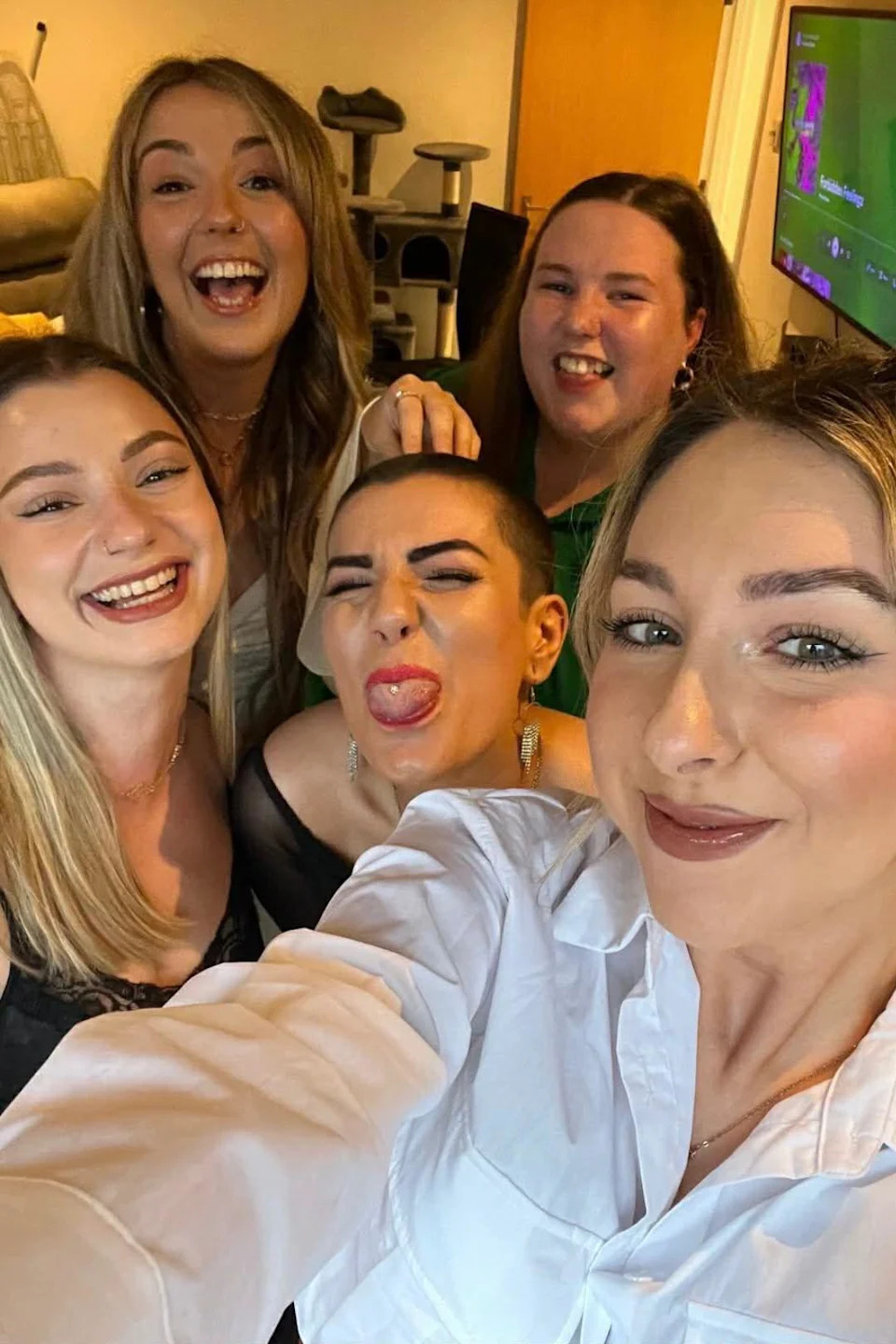
Sophie says she's lucky her friends have learned about her condition to support her [Sophie Morgan]
Seizure Types and Misunderstanding
One of Sophie's frustrations is the lack of accurate knowledge about epilepsy among employers. Many people assume dramatic convulsions, but Sophie mostly experiences absence seizures — brief lapses of awareness that look like daydreaming and leave her exhausted afterward. She says convulsions are rare for her, perhaps three or four a year.
Statistics and Discrimination
UK government data show only 44% of people with epilepsy are currently employed. A survey by Epilepsy Action found six in 10 people with epilepsy reported experiencing discrimination, while a separate poll of 500 employers and managers showed nearly half were reluctant to recruit someone with the condition.
Rights and Reasonable Adjustments
Charities stress that employers have legal duties under the Equality Act not to discriminate and to provide reasonable adjustments for employees with epilepsy. Simple changes can make a big difference — for example, flexible start times to ease travel, scheduled breaks to reduce stress, or minor changes to a workstation.
‘Creating inclusive workplaces where people with epilepsy can succeed is not only beneficial to the people with epilepsy, but also the employer,’ Epilepsy Action says. ‘People with epilepsy often bring resilience and a wide range of skills learned through managing their condition.’
Mental Health and Practical Support
Meanwhile Sophie receives jobseeker's allowance and Personal Independence Payment but cannot access housing support until she secures paid work. The prolonged job search and instability have taken a toll on her mental health. She remains active in online support groups and hopes employers will become more informed and willing to make reasonable adjustments so people with epilepsy can thrive in the workplace.
Key facts: Sophie applied for roughly 300 jobs in a year and had one interview; two 2024 brain surgeries revealed the seizure focus could not be safely removed; many people with epilepsy experience workplace discrimination; reasonable adjustments and legal protections exist to support employment.
Help us improve.