The EEOC sued Bollinger Shipyards on Sept. 30, alleging the company rescinded offers from five qualified applicants after learning about prescription medication use and imposing a blanket ban on Suboxone for "safety-sensitive" roles. The complaint says a third-party clinic failed to evaluate whether medication actually impaired job performance and that examiners never found the applicants to pose a direct threat. EEOC alleges violations of the ADA and the Civil Rights Act of 1991 and warns employers against broad assumptions about prescription drugs.
EEOC Sues Bollinger Shipyards Over Alleged Blanket Ban On Suboxone For Safety-Sensitive Roles
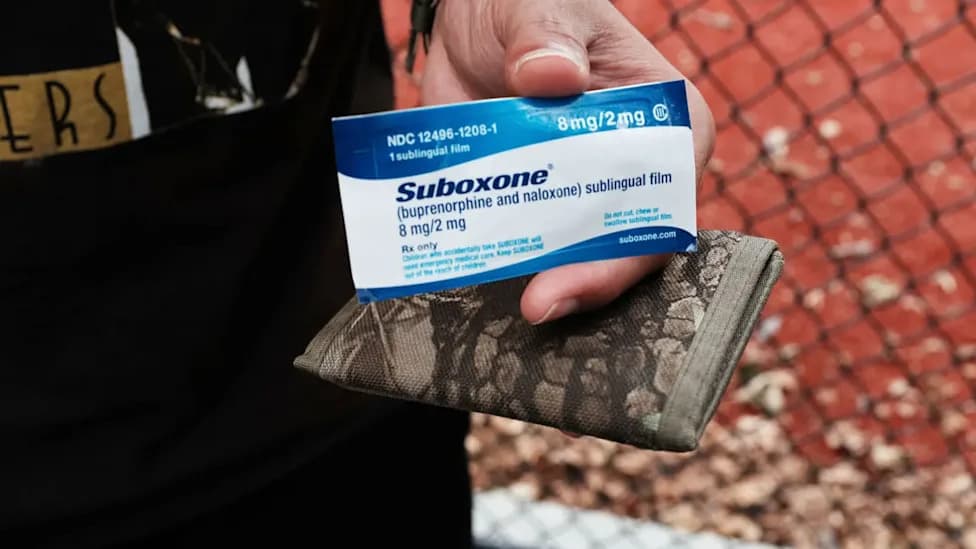
A heroin user holds Suboxone as they are interviewed in the Bronx neighborhood of New York City on Aug. 8, 2017. A maritime construction and repair company is facing U.S. Equal Employment Opportunity Commission allegations that it unlawfully barred workers who took or previously took Suboxone from "safety-sensitive" roles.
The U.S. Equal Employment Opportunity Commission filed a lawsuit on Sept. 30 alleging Bollinger Shipyards rescinded job offers from five otherwise qualified applicants after discovering prescription medications in their records. The complaint accuses the maritime construction and repair firm and its subsidiaries—which operate across the Southeast—of discriminating against applicants based on medication use rather than individualized assessments of fitness for duty.
Blanket Policy Alleged
According to the EEOC, the company's HR director implemented a blanket prohibition on Suboxone (a medication commonly prescribed for opioid use disorder) for positions designated as "safety-sensitive." The agency says Bollinger withdrew offers after candidates disclosed prescriptions during required post-offer, pre-employment medical exams administered by a third-party clinic.
Problems With The Medical Exams
The complaint alleges the clinic failed to investigate key facts about medication use: whether candidates were actively taking the prescribed drugs at the time of the exam, whether medication timing could affect work hours, what side effects (if any) the candidates experienced, and whether the applicants believed they could safely perform job duties. EEOC further alleges that examiners never checked the box indicating any of the applicants "posed a direct threat to themselves or others."
"Employers cannot rely solely on drug manufacturers' listing of potential side effects as proof that an applicant cannot safely perform a job," said Acting EEOC Birmingham District Director Linda Sales-Long.
Legal Claims And Context
The EEOC says Bollinger's actions violated the Americans With Disabilities Act and the Civil Rights Act of 1991. Under the ADA, employers generally must make individualized assessments before disqualifying a job candidate on the basis of a disability or medication use rather than applying categorical bans. The complaint follows a similar EEOC suit filed against Bollinger last September.
Broader Federal Attention To Opioids In The Workplace
The lawsuit arrives amid increased federal focus on how opioid use affects workplace safety. The U.S. Department of Labor has published guidance on opioid-related impairment and job performance, and initiatives such as the Great Recovery Initiative address the broader harms of opioid abuse. The White House has also emphasized overdose recognition and reversal training for workplaces, while OSHA provides employer guidance on preparedness, including the use and storage of naloxone or nalmefene kits.
Bollinger Shipyards did not respond to HR Dive's request for comment by the time of publication.
Help us improve.