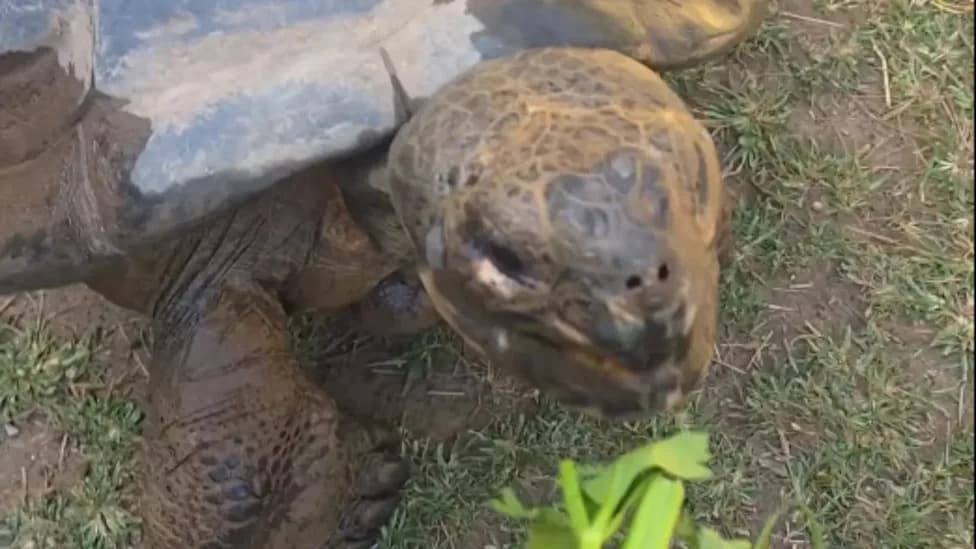
Lonesome George, the last known Pinta Island tortoise, died in 2012 and the species was declared extinct in 2015 after decades of overharvesting and habitat collapse driven by invasive goats. Pinta tortoises were keystone terrestrial grazers dependent on cactus and other native vegetation. Since George’s death, researchers have found hybrid tortoises on Wolf Volcano carrying Pinta ancestry — in 2020 one female carried roughly 16% Pinta genome — and are now using genetic study and managed breeding to preserve and potentially recover much of the Pinta lineage.
Lonesome George Wasn’t Necessarily the End: Hybrid Tortoises May Preserve the Pinta Lineage
Extinct Animals: Pinta Giant Tortoise© evenfh/Shutterstock.com
Each year hundreds of species vanish, but we rarely witness a species' final moments. The story of the Pinta Island tortoise — and its most famous individual, Lonesome George — is one of exploitation, habitat collapse, and a surprising scientific twist that offers a sliver of hope.
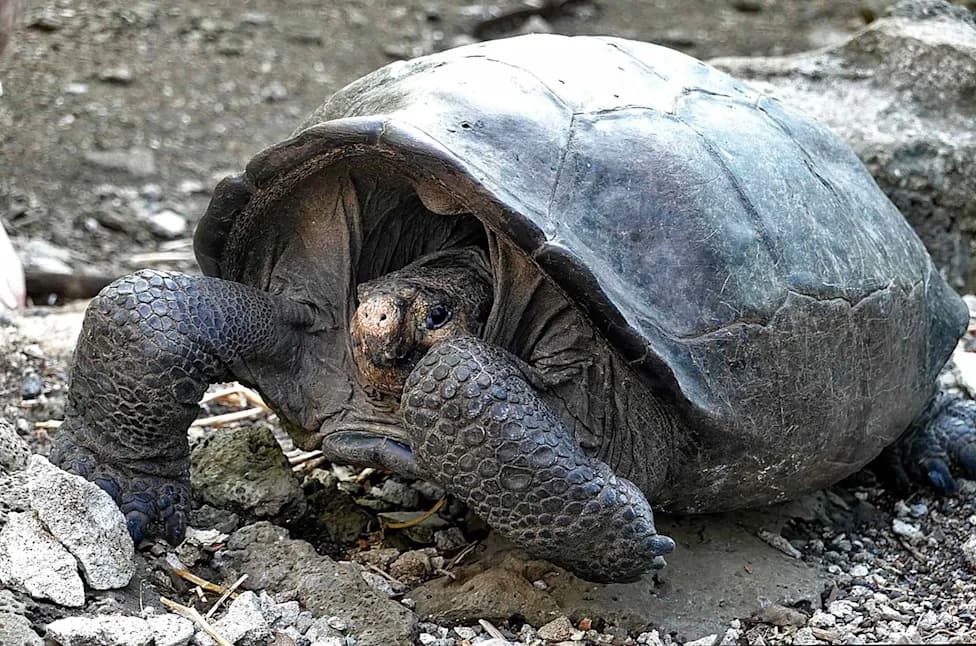
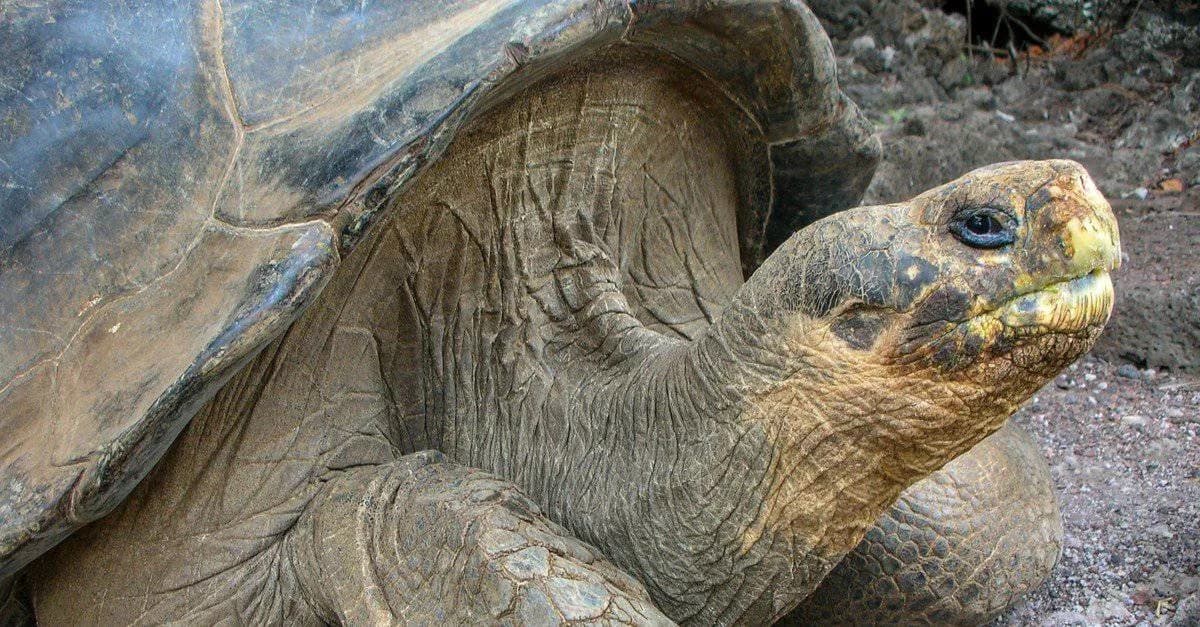
Lonesome George was the last of the Pinta Island tortoises. He passed away in 2012.©Wirestock Creators/Shutterstock.com
From Discovery to Endling
In 1971 Hungarian researcher József Vágvölgyi discovered a lone Pinta Island tortoise on Pinta Island. That individual, later known as Lonesome George and believed to have been born around 1910, was moved to the Tortoise Breeding and Rearing Center in Puerto Ayora on Santa Cruz Island to protect him and search for a mate.
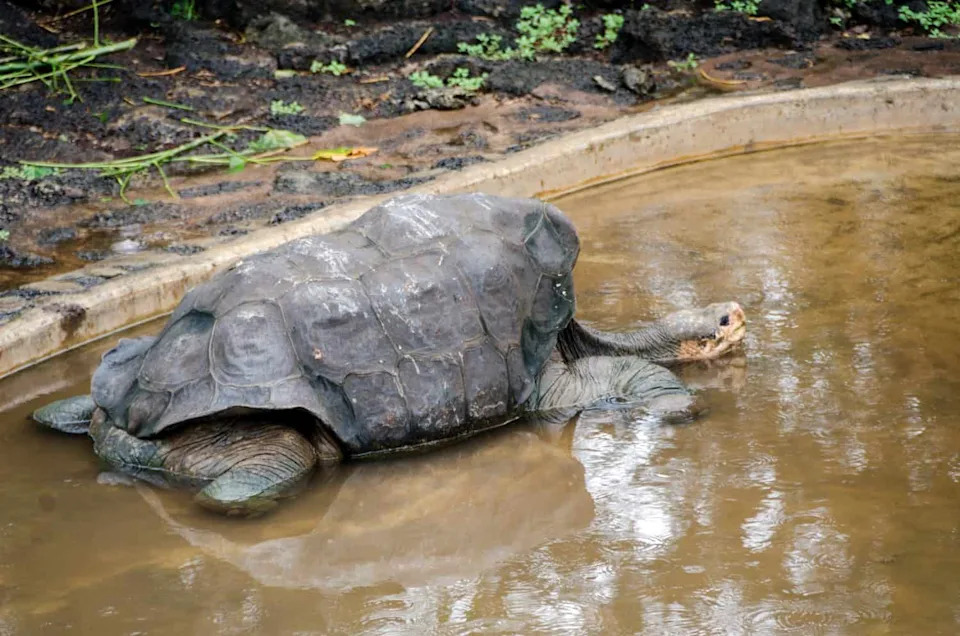
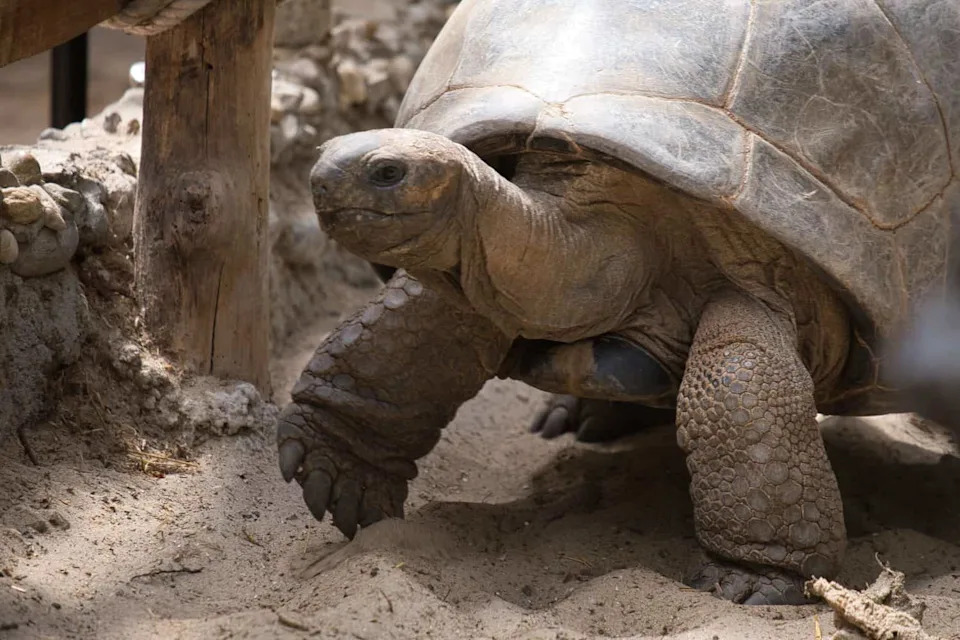
After his death, Lonesome George became a symbol and emblem of biodiversity loss.©Andreas Wolochow/Shutterstock.com
Despite decades of effort, no pure Pinta mate was found. Lonesome George died in 2012 at more than 100 years old, and the Pinta Island tortoise was formally declared extinct in 2015. As an "endling," George became a powerful symbol of irreversible biodiversity loss and the consequences of human actions.
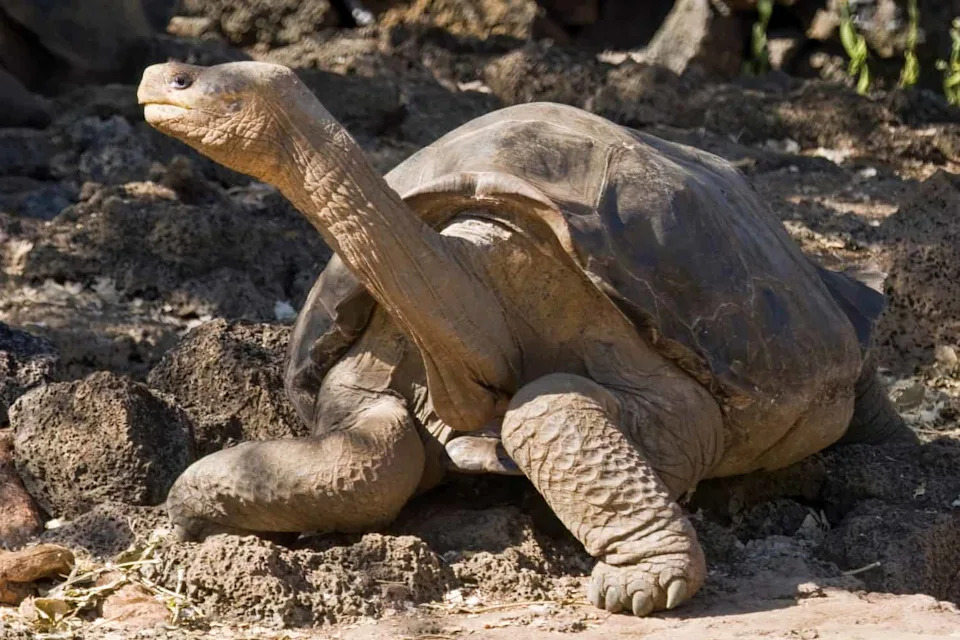
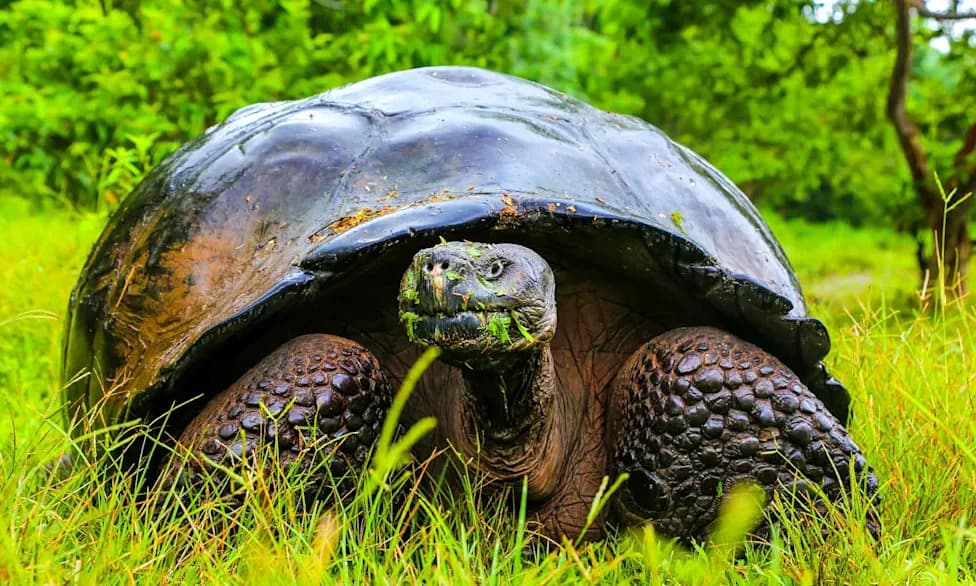
Pinta Island tortoises once thrived in the Galapagos Archipelago.©Mark_Kostich/Shutterstock.com
How the Pinta Tortoises Disappeared
Pinta Island tortoises were long-lived, largely terrestrial grazers that played a keystone role in the island’s ecology through grazing and seed dispersal, depending heavily on native vegetation such as cactus. Historical exploitation drastically reduced their numbers: between 1831 and 1868 more than 460 tortoises were removed from Pinta, hunted by visiting sailors for meat and oil.
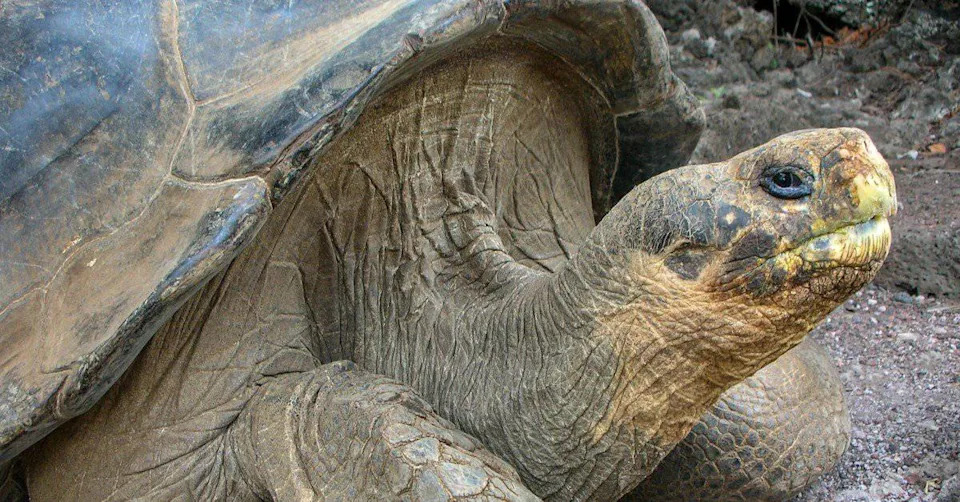
Overhunting and loss of suitable habitat led to the extinction of Pinta Island tortoises.©evenfh/Shutterstock.com
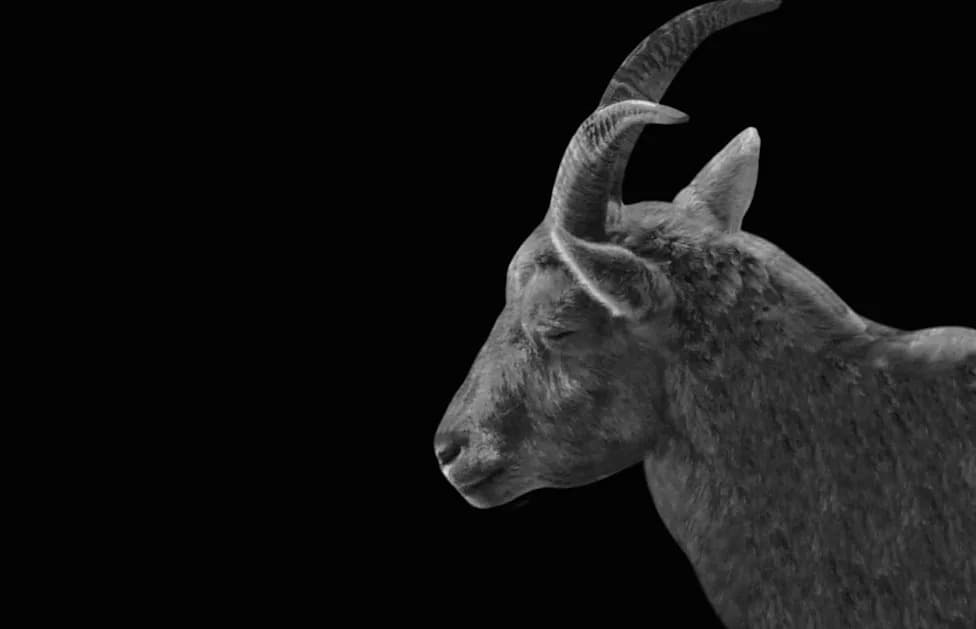
The situation worsened in the mid-20th century. In 1959 fishermen introduced three goats to Pinta Island, and the goat population exploded. By the 1970s there were an estimated 40,000 goats that overgrazed the island, stripping vegetation and destroying the tortoises' food sources and habitat.
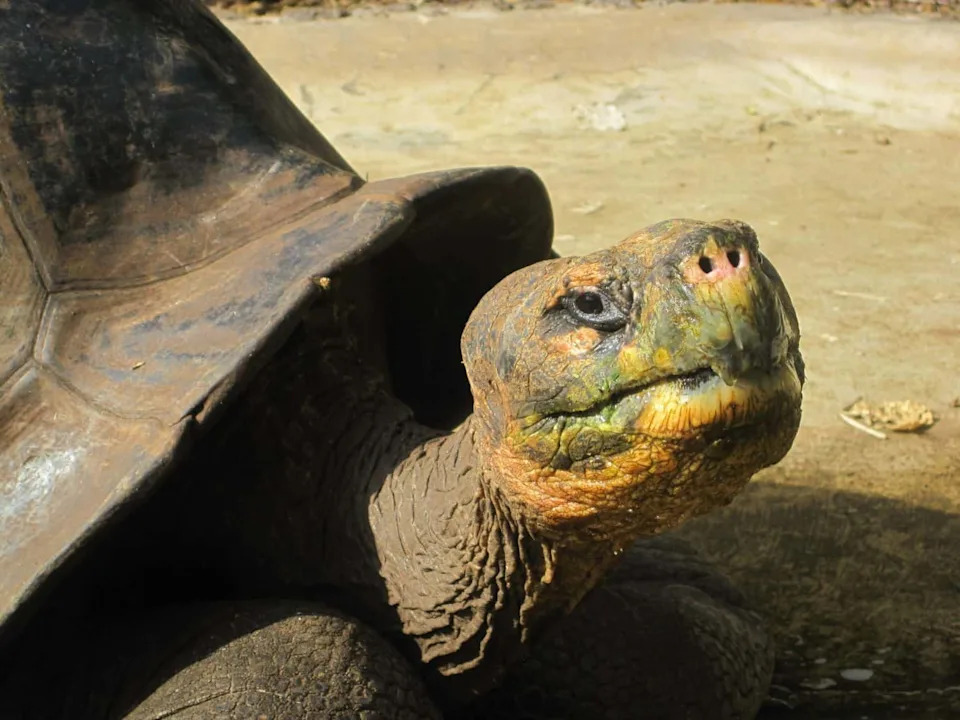
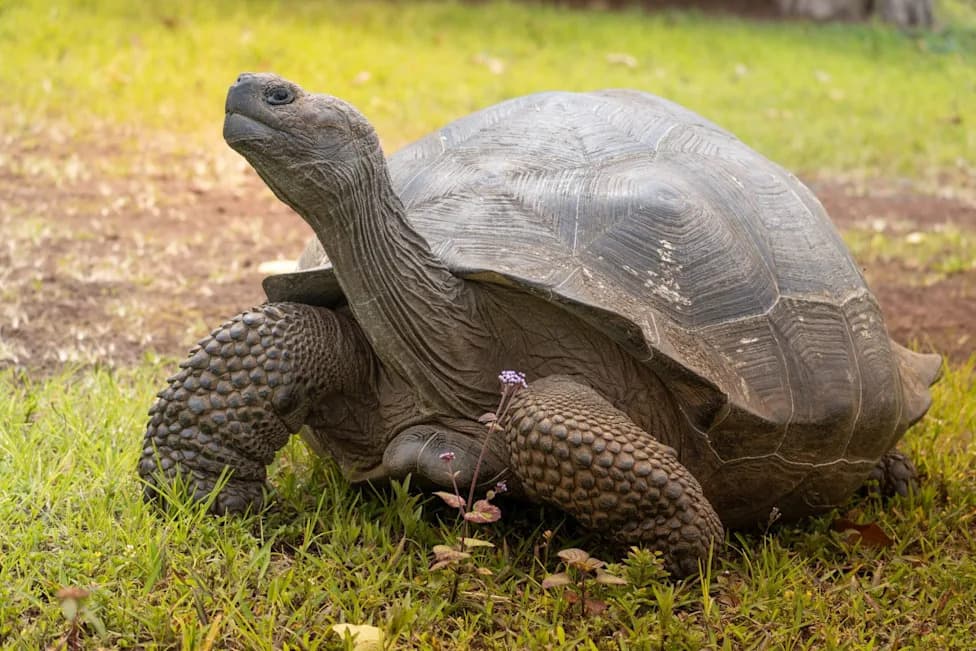
Hybrids of the Pinta Island tortoise may prove to be the key to bringing back tortoises like Lonesome George.©Discodollydiva/Shutterstock.com
A Surprising Genetic Thread
The story did not end completely with George. After his death, researchers discovered groups of tortoises on Wolf Volcano that carried Pinta Island ancestry. Soon after 2012, 17 juveniles with first-generation hybrid markers drew attention, and later fieldwork identified additional individuals. In 2020 scientists reported finding 31 more tortoises on Wolf Volcano with genetic contributions from extinct island lineages, including Pinta and Floreana.
One sequenced female was found to carry roughly 16% Pinta genome, demonstrating that Pinta genetic material persists in the archipelago. These hybrid animals are now the focus of genetic study and managed-breeding programs aimed at preserving and amplifying the Pinta genetic legacy.
What This Means for Conservation
While the birth of a genetically pure Pinta Island tortoise is unlikely, sustained genetic and breeding efforts could recover much of the original population's genetic profile over generations. The Pinta story highlights several enduring conservation lessons: extinction is usually final, invasive species can irreversibly alter habitats, and careful genetic and field work can sometimes reclaim fragments of lost biodiversity.
Bottom line: Lonesome George remains a poignant emblem of extinction, but hybrid descendants carrying Pinta ancestry offer a hopeful — if cautious — path to preserve some of that lost genetic heritage.
Help us improve.