The Pyrenean ibex (bucardo) vanished from the Pyrenees in 2000 after centuries of hunting, habitat loss and competition; the last wild individual, Celia, was crushed beneath a fallen tree. Scientists preserved Celia’s tissue and later used cloning to create nearly 500 embryos, implanting 154 into surrogates. One live birth occurred but the newborn died minutes later from a fatal lung defect, marking the species’ second extinction. The case shows that cloning alone cannot restore a species without dozens to hundreds of genetically diverse individuals and broader conservation measures.
The Ibex That Died Twice: How the Pyrenean Bucardo Was Cloned — And Failed To Survive
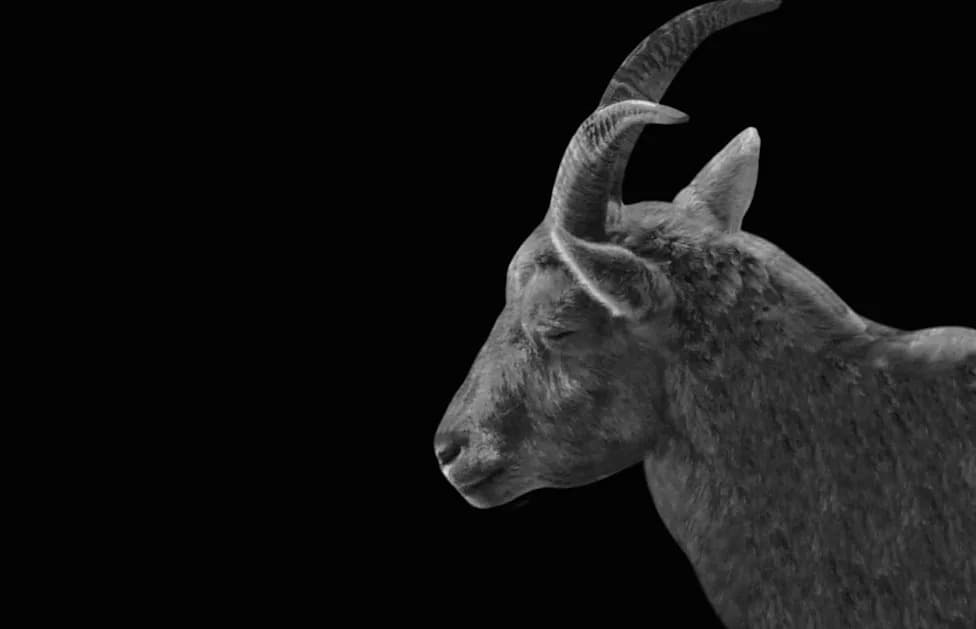
Black And White Pyrenean Ibex Face© R.S.H Photoshoots/Shutterstock.com
The Pyrenean ibex, locally called the bucardo, holds a tragic and unique place in conservation history: it is the only animal known to have gone extinct twice. Modern science briefly reversed its disappearance through cloning, but the newborn survived only minutes. The story highlights both the promise and the limits of de-extinction efforts.
The Bucardo: A Mountain Specialist
The Pyrenean ibex was a subspecies of the Iberian ibex that once ranged across the high slopes and cliffs of the Pyrenees between northern Spain and southern France. Well adapted to steep, rocky terrain, bucardos had sharp hooves with soft inner pads for traction and were expert grazers, feeding on grasses, herbs and young pine shoots. Both sexes bore horns, though males carried larger, heavily ridged horns that could approach 40 inches in length.
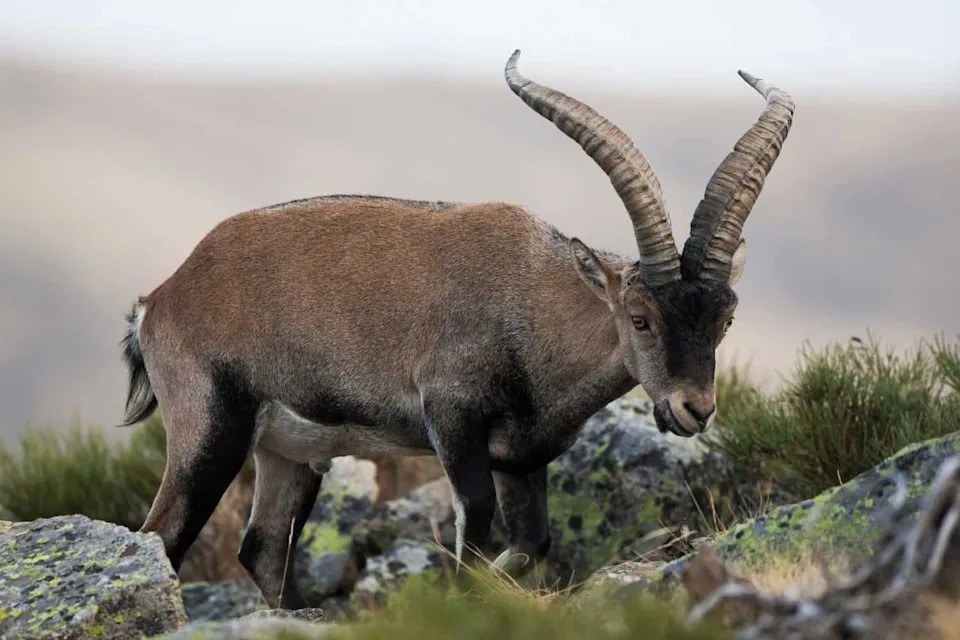
Once abundant in the Pyrenees mountains, Pyrenean ibexes went extinct in 2000 due to centuries of overhunting, habitat fragmentation, and intraspecies competition.©Alexandre Boudet/Shutterstock.com
Decline and the Last Wild Individual
Over centuries, intensive hunting, habitat loss and competition with domestic livestock reduced bucardo numbers. By the turn of the 21st century the only known population survived in Ordesa National Park. Rangers discovered Celia, the last wild Pyrenean ibex, crushed beneath a fallen tree on January 6, 2000. Anticipating the population’s collapse, scientists had taken ear skin biopsies from Celia less than a year earlier and preserved the tissue in cold storage.
Cloning Attempts and a Brief Resurrection
Spanish authorities, researchers and the biotechnology firm Advanced Cell Technology launched a de-extinction effort using Celia’s preserved tissue. The project produced nearly 500 cloned embryos. Scientists implanted 154 of those embryos into surrogate females — domestic goats and ibex–domestic hybrids. Five surrogates became pregnant and only one carried a pregnancy to delivery.
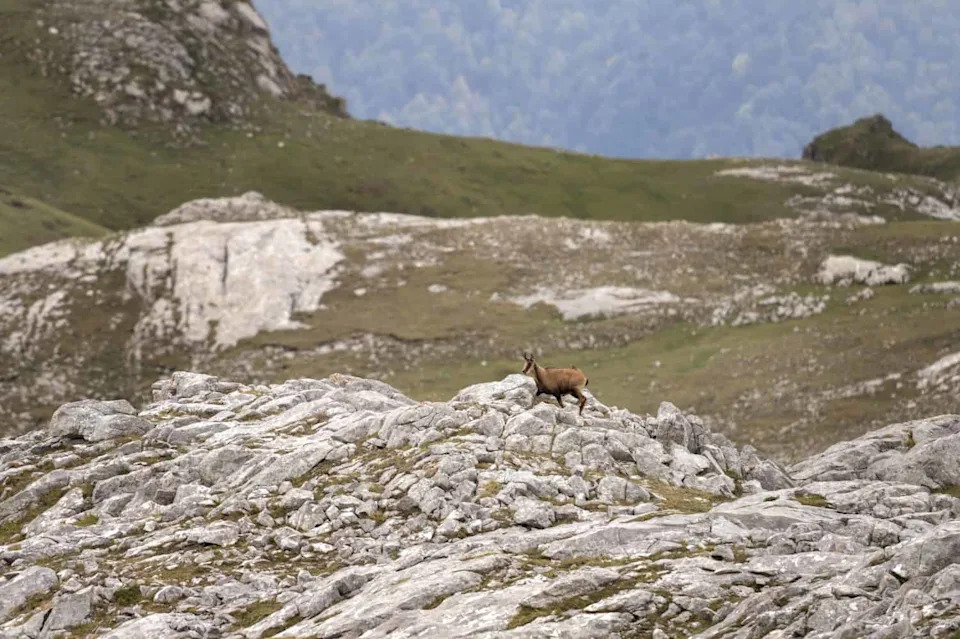
One ibex is not enough. It would take dozens, if not hundreds, of clones to ensure the species survives.©Martin Prochazkacz/Shutterstock.com
Delivered by Caesarean section about three and a half years after Celia’s death, the newborn bucardo initially showed signs of life: it kicked, opened its eyes and had a heartbeat. However, it could not breathe and died within minutes. An autopsy revealed an extra lobe in the left lung, a fatal physical defect. As noted by the research team (including Jose Folch) in a 2009 paper, neonatal clones can exhibit organ defects similar to those seen in cloned sheep.
Why One Clone Couldn’t Restore the Species
Even if the cloned ibex had survived, a single individual cannot restore a species. Conservation biologists estimate that restoring a viable population generally requires tens to hundreds of genetically diverse individuals (commonly cited ranges are about 50–500) to avoid inbreeding depression and maintain long-term adaptability. Practically, a revived bucardo would likely have needed controlled cross-breeding with related ibex populations to preserve some genetic traits while avoiding severe inbreeding—an approach that risks absorbing the subspecies into a broader gene pool.
Lessons and Limits of De-Extinction
The bucardo’s brief reappearance underscores the complexities of de-extinction. Cloning can recreate individuals from preserved tissue, but it does not automatically recover the ecological, genetic and social conditions a species needs to survive. The case raises ethical and practical questions: Should resources go toward cloning recently extinct taxa, or toward preventing extinctions and restoring habitat? The bucardo story suggests both opportunities and hard limits for biotechnology in conservation.
Conclusion: The Pyrenean ibex’s temporary return was a scientific milestone and a cautionary tale. It demonstrated that cloning can bring back an individual, but also that survival of a species requires many more than a single clone, as well as suitable habitat, genetic diversity and long-term management.
Help us improve.