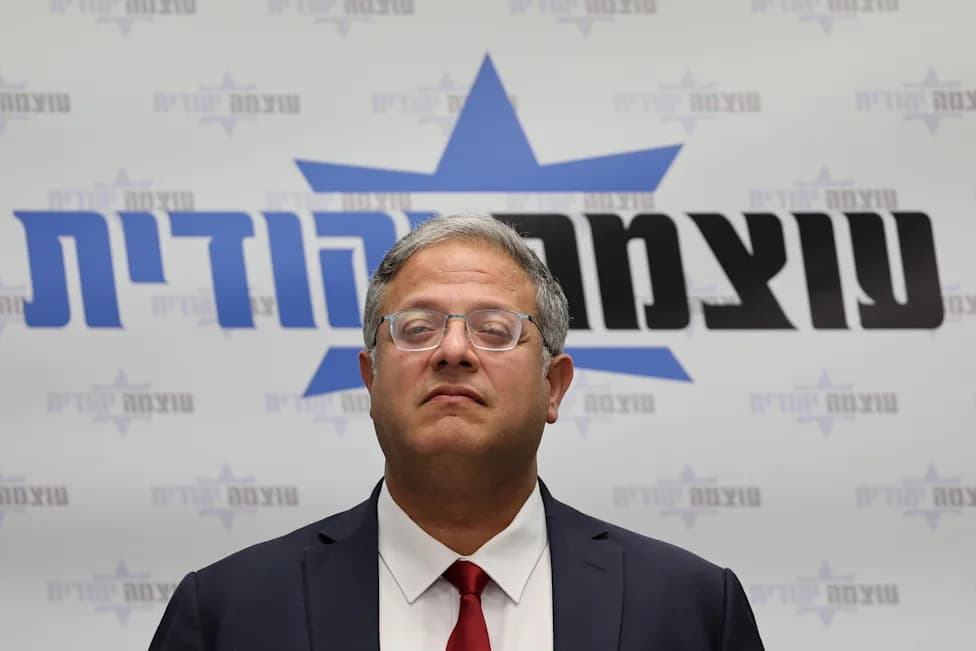
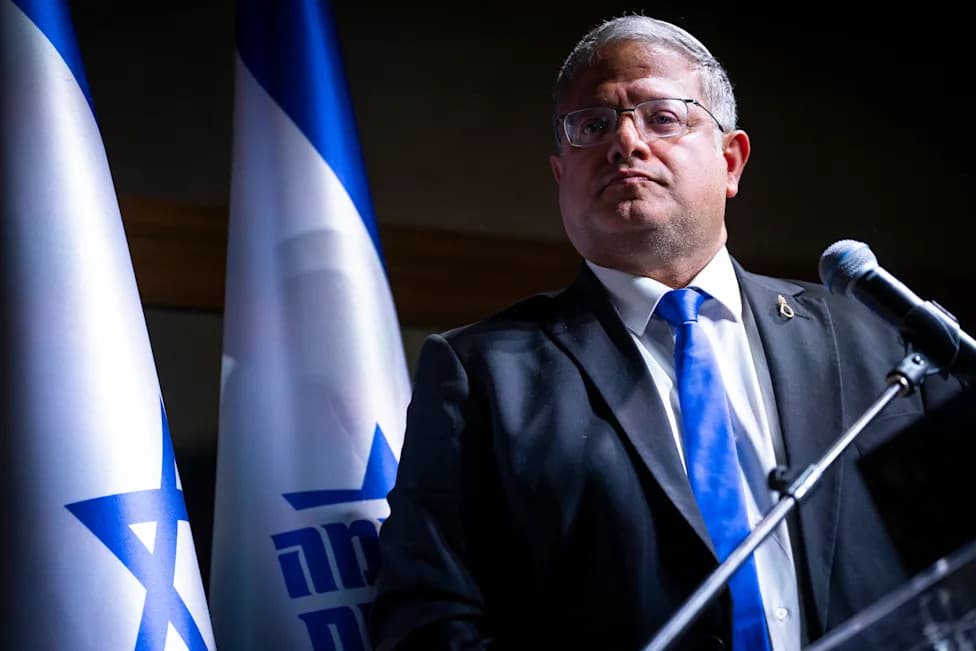
Itamar Ben-Gvir, Israel’s National Security Minister and leader of the Jewish Power party, has become internationally controversial after a series of provocative acts — including televised taunting of flotilla activists and outspoken opposition to perceived concessions to Iran. Since taking office in 2022 he has exercised authority over police and prisons, drawn widespread rebukes from foreign allies, and overseen policies (including expanded settler gun licences) linked to higher violence in the West Bank. Despite global criticism, his domestic support among parts of the right remains sturdy.
Itamar Ben-Gvir: The Face Of Israel’s Ascendant Hard Right
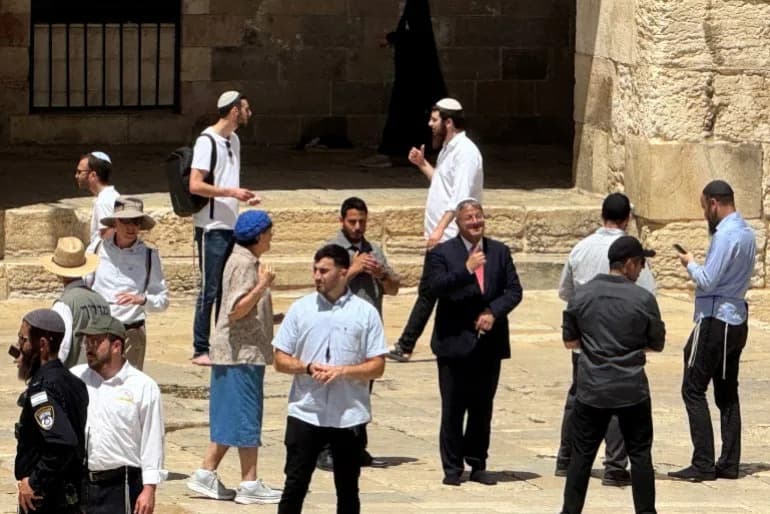
Israeli National Security Minister Itamar Ben-Gvir visits the Al-Aqsa Mosque compound during Jerusalem Day, in Jerusalem’s Old City, on May 26, 2025 [Ammar Awad/Reuters]
In recent weeks Israel’s National Security Minister, Itamar Ben-Gvir, has become a focal point of international attention after a series of provocative actions that many say reveal a harder-edged vision of the state. From publicly opposing a US-proposed ceasefire deal he judged harmful to Israel’s interests, to televised taunting of bound activists from the Global Sumud Flotilla, Ben-Gvir’s conduct has drawn rebukes from allies and critics alike.
Domestic Role and International Backlash
Ben-Gvir leads the Jewish Power party and has held the newly created post of National Security Minister since 2022. That office has given him authority over police and prison services — control critics say he has used to reshape security institutions in line with his far-right agenda. His actions prompted public criticism from the UK, France, Italy, Canada and the United States. Prime Minister Benjamin Netanyahu described one recent episode as “not in line with Israel’s values and norms,” and Foreign Minister Gideon Sa’ar released a statement saying Ben-Gvir is “not the face of Israel.”
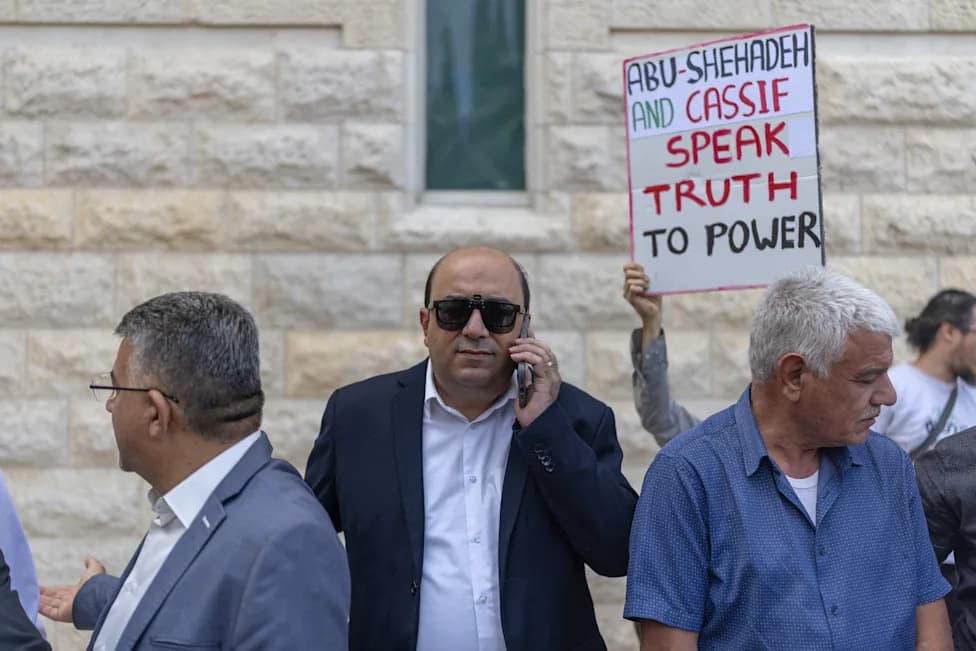
Aida Touma-Sliman, Knesset Member: “Everything he’s doing he’s doing with the help of other politicians and civil servants who share his beliefs.”
Background And Early Activism
Born in 1976 in a Jerusalem suburb, Ben-Gvir became religious in his early teens and has described being radicalised as a young person during the First Intifada. As a teenager he openly supported the extremist Kach movement. He first drew national attention in 1995 after appearing on camera with the hood ornament of Prime Minister Yitzhak Rabin’s car shortly before Rabin’s assassination.
Over the years Ben-Gvir was indicted multiple times for activism; two 2007 indictments led to convictions for incitement to racism and supporting a terrorist organisation. In 2012 he qualified as a lawyer despite opposition from the Israeli Bar Association, and he became known for representing far-right settlers and hardline defendants.
Controversies And Policy Actions
Ben-Gvir’s record includes public admiration for figures associated with extremist violence: Baruch Goldstein’s image featured in his life until campaign advisers recommended its removal. He attended a 2015 wedding where guests celebrated a settler later convicted of a deadly firebombing in the West Bank; Ben-Gvir defended his presence. Critics have also accused him of politicising the police and prison services and of defending abusive treatment of detainees.
Following the Hamas-led attack of October 7, 2023, Ben-Gvir oversaw a rapid expansion in gun licences for settlers in the occupied West Bank — a move linked by observers to a rise in deadly settler violence. In April footage of him celebrating the passage of a bill that could allow the death penalty for certain offences drew further international condemnation.
Political Positioning And Public Support
Ben-Gvir allied with Bezalel Smotrich and other right-wing factions to become a significant force in Netanyahu’s coalition. Analysts note that while his style is theatrical and provocative, many of his policy positions echo views already present in parts of the governing Likud party. Polls and expert commentary suggest his base remains resilient, drawing support from secular, traditional and religious right-wing voters who favour hardline responses to Palestinian threats.
Assessment And Response
Observers such as former Israeli government adviser Daniel Levy emphasize that much criticism focuses on Ben-Gvir’s performative acts — the videos and provocations — rather than on the wider security policies he helps implement. Still, international and domestic concerns about the politicisation of security bodies and the escalation of settler violence have intensified scrutiny of his role.
Ben-Gvir was invited to respond to the criticisms included in this article but had not replied at the time of publication.
Help us improve.