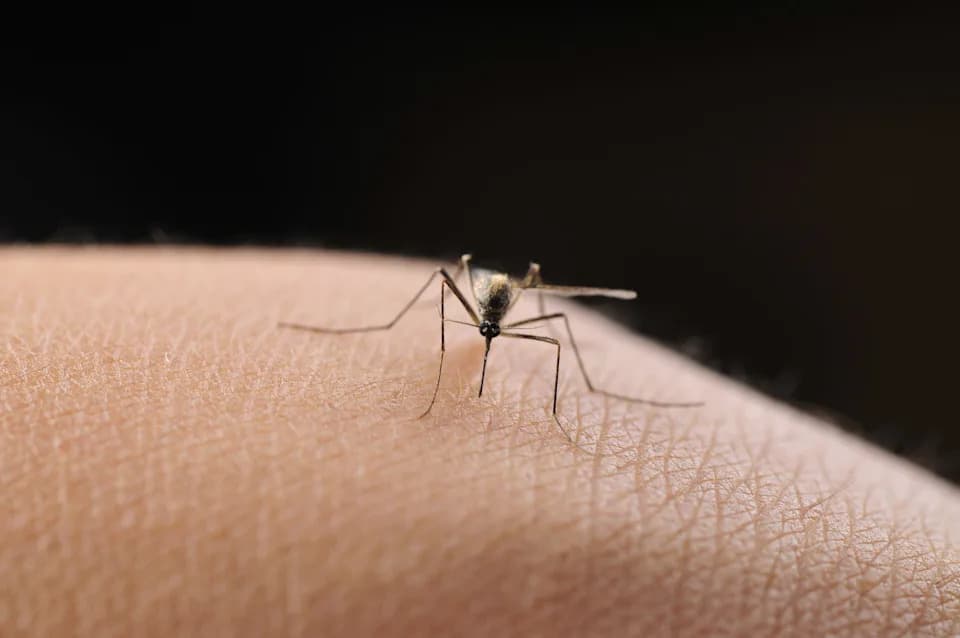
Short summary: Google’s Debug filed two experimental-use permit requests with the EPA in 2025 seeking authorization to release a combined 96 million sterile, wolbachia-infected male mosquitoes across New Jersey, California and Florida from 2026–2028. The claims that 64 million would be released in Florida and California come from one of those applications, but EPA approval was pending at the time of reporting. Wolbachia-carrying males do not bite humans; studies and agency reviews generally regard the technique as safe and effective at reducing disease risk.
What We Know About Google Debug’s Plans To Release Wolbachia-Carrying Mosquitoes In U.S. States
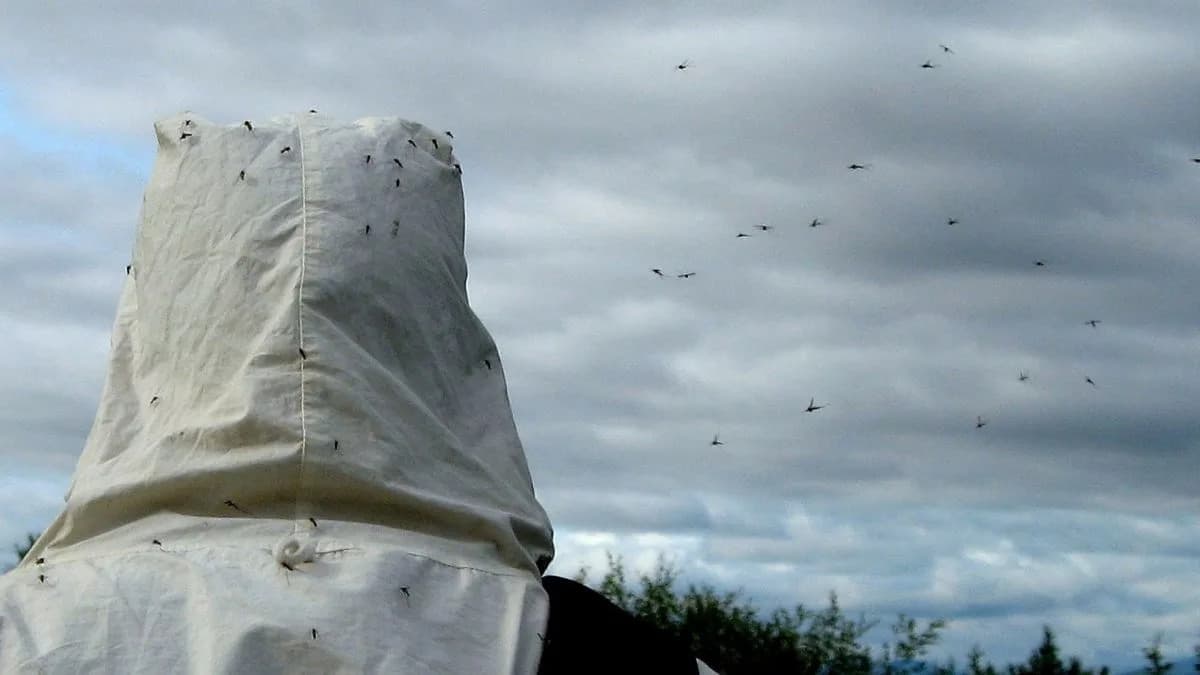
U.S. National Park Service, accessed via WikiCommons
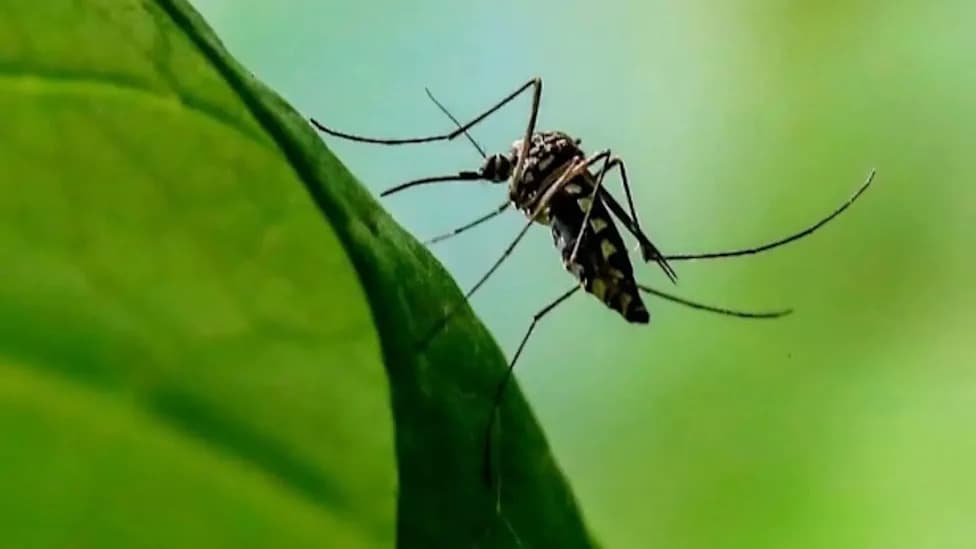
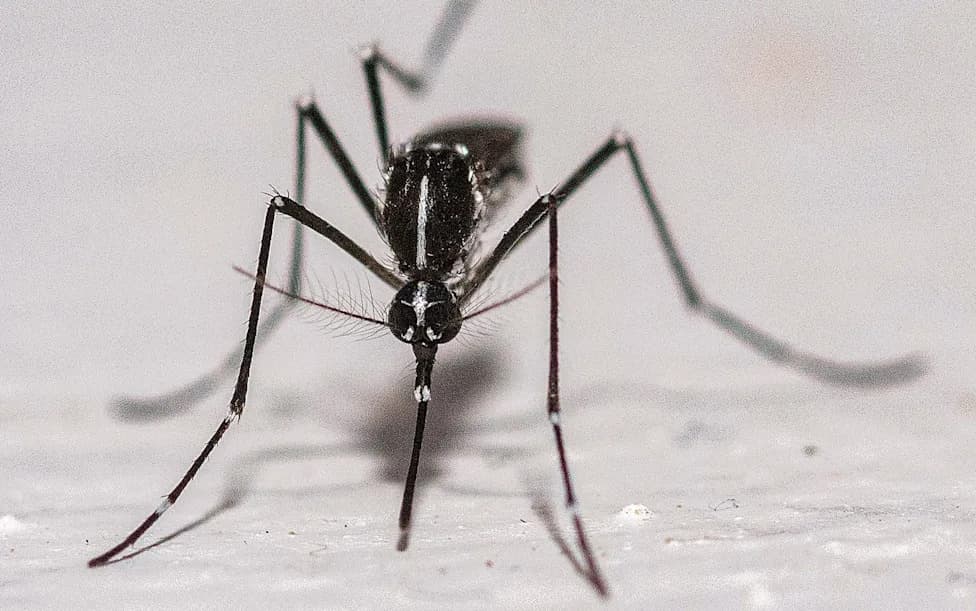
Claims circulated online in May–June 2026 that Google would release tens of millions of bacteria-carrying mosquitoes across U.S. states — most prominently that 64 million would be released in Florida and California. Those posts referred to Debug, a project now associated with Google that rears and releases sterile male mosquitoes infected with wolbachia bacteria to reduce wild mosquito populations and the risk of mosquito-borne disease.
Key Applications and Numbers
Federal Register filings show Google submitted two experimental-use permit applications to the U.S. Environmental Protection Agency in 2025. One application (June 2025 filing) sought authorization to release 64 million sterilized male mosquitoes carrying the wAlbB strain of Wolbachia pipientis in Culex quinquefasciatus across California and Florida (16 million per state per year over two years). A second application (October 2025 filing) requested permission to release 32 million sterilized male Aedes albopictus carrying the wPip strain across New Jersey, Florida and California over three years. Together, the applications asked to release up to 96 million insects between 2026 and 2028.
How The Method Works
Debug proposes releasing only male mosquitoes infected with specific wolbachia strains. When a wolbachia-carrying male mates with a female that lacks the same strain, the female's eggs typically fail to hatch — a phenomenon known as cytoplasmic incompatibility — which reduces local mosquito populations over time. Because only males are released and male mosquitoes do not bite, these releases are not expected to increase human biting or blood-feeding.
Safety, Regulation, And Precedent
Public health agencies, including the U.S. Centers for Disease Control and Prevention, say wolbachia strains used in these control programs do not infect humans or other animals. The EPA treats mosquitoes carrying wolbachia as a pesticide for regulatory purposes; companies must obtain experimental-use permits to deploy unregistered mosquito products.
As of this article, the EPA had not approved Google’s 2025 experimental-use applications. Debug did receive an EPA permit in late April 2026 for releases in Hawaii involving a specific wolbachia strain; it was not clear whether releases under that permit had occurred at the time of writing. Separately, MosquitoMate holds EPA-registered products using wolbachia strains (including wPip and wAlbB) that are registered nationwide through Dec. 31, 2028.
Evidence From Trials
Field trials and public programs using wolbachia-infected males have shown promising results. Debug supported Singapore’s Project Wolbachia, which released male Aedes aegypti in dengue-prone areas. A peer-reviewed New England Journal of Medicine study reported reductions in dengue risk of more than 70% in some trial locations. Regulatory assessments to date have concluded that the risk to human health and the environment is low, and that the accidental release of a small number of biting females would present negligible additional risk.
What To Watch For
Social posts varied in the headline figures — some cited 64 million (California and Florida), others cited 32 million — which contributed to confusion. The central fact is that Debug filed for permission to release a combined total of up to 96 million sterilized, wolbachia-infected male mosquitoes across New Jersey, California and Florida between 2026 and 2028, but EPA approval for those 2025 applications was pending. Journalists and fact-checkers have contacted Google and the EPA for status updates and were awaiting official responses at the time of reporting.
Bottom Line
Google's Debug applied for large-scale experimental releases of wolbachia-carrying male mosquitoes, but regulatory approval for the 2025 applications had not been granted when this story was written. Existing permits and registrations for similar approaches, plus peer-reviewed trial data and agency statements, indicate the method is considered a promising, low-risk tool for suppressing disease-carrying mosquito populations when properly regulated and monitored.
Sources and further reading: EPA permit records and Federal Register filings; CDC guidance on wolbachia and mosquito species; Debug project materials; MosquitoMate product registrations; New England Journal of Medicine study on dengue suppression.
Help us improve.