At ASCO26, BMS’s MeziKd (mezigdomide + carfilzomib + dexamethasone) extended median PFS to 18 months versus 8.3 months with Kd, with higher ORR and CR rates but increased neutropenia and infections. J&J’s Tecvayli cut progression or death by 71% and death by 40% versus standard care and produced strong response rates, though Grade 3–4 TEAEs were notable. An SCRI Phase II study showed outpatient step-up dosing with prophylactic tocilizumab for Tecvayli/Talvey achieved ORR ~69–71%, supporting possible community administration with careful monitoring.
ASCO26: MeziKd and Tecvayli Deliver Major Efficacy Gains in Multiple Myeloma
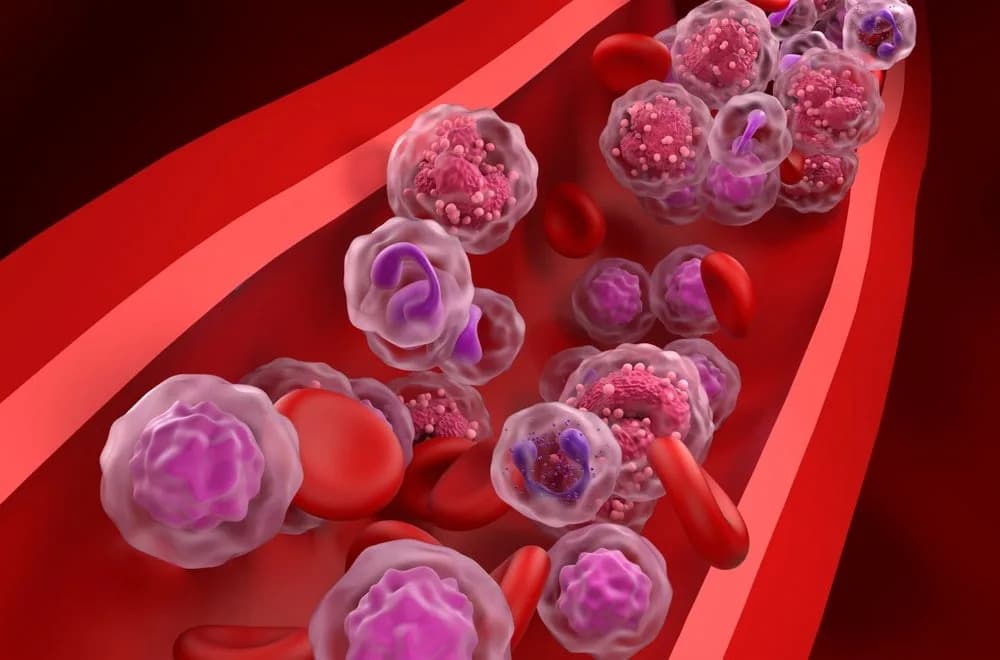
These trials show meaningful progress in RRMM. Credit: Nemes Laszlo / Shutterstock.com(Nemes Laszlo / Shutterstock.com)
At the 2026 American Society of Clinical Oncology (ASCO) meeting, Bristol Myers Squibb (BMS) and Johnson & Johnson (J&J) unveiled compelling multiple myeloma data, alongside an investigator-led study evaluating outpatient administration of bispecific therapies with prophylactic tocilizumab.
BMS — MeziKd (Mezigdomide + Carfilzomib + Dexamethasone)
In the Phase III SUCCESSOR-2 trial (NCT05552976) for relapsed/refractory multiple myeloma (RRMM), MeziKd extended median progression-free survival (PFS) to 18 months versus 8.3 months for carfilzomib + dexamethasone (Kd), a 52% reduction in the risk of progression or death. The regimen produced a higher overall response rate (ORR) of 80.2% versus 53.4% with Kd and a greater rate of complete response or better (26.7% vs 8.9%). Median overall survival had not been reached at the data cutoff.
The safety profile was consistent with expected effects of mezigdomide and the combination. Grade 3–4 treatment-emergent adverse events (TEAEs) occurred in 83.7% of MeziKd patients versus 56.5% with Kd. Notable differences included neutropenia (61.1% vs 9.1%) and infections (34.0% vs 15.6%). BMS indicated it will present these data to regulatory authorities.
“Maintaining durable disease control becomes an increasing challenge with each line of therapy... achieving extended progression-free survival of a year and a half is especially meaningful,” said Dr Paul Richardson, Dana-Farber Cancer Institute.
J&J — Tecvayli (Teclistamab-cqyv), MajesTEC-9 (NCT05572515)
In the Phase III MajesTEC-9 study, Tecvayli reduced the risk of progression or death by 71% and lowered the risk of death by 40% versus investigator-choice standard-of-care (SoC: PVd or Kd) when used as early as second line in RRMM. Nearly two-thirds of patients achieved a complete response or better. Overall TEAE rates were similar between arms (99.7% vs 97.9%), while Grade 3–4 TEAEs were reported in 84.9% with Tecvayli versus 76.3% with SoC.
“These findings further reinforce Tecvayli’s potential to meaningfully improve survival outcomes... offering a steroid-sparing, community-based therapy,” said Dr Roberto Mina, Winship Cancer Institute.
J&J said it is engaging regulatory agencies globally to support consideration of Tecvayli in earlier lines of therapy.
SCRI Investigator-Led Phase II — Outpatient Step-Up Dosing With Tocilizumab (NCT05972135)
The Sarah Cannon Research Institute evaluated outpatient step-up administration of Tecvayli or Talvey (talquetamab) with prophylactic tocilizumab (Actemra). According to the ASCO abstract presented by Dr Peter Forsberg, ORR was 68.9% for Tecvayli and 71.4% for Talvey. Stringent complete response (sCR) rates were 6.7% and 14.3%, respectively; CR rates were 17.8% and 14.3%; VGPR rates were 26.7% and 42.9%; PR rates were 17.8% and 0%.
After a median follow-up of 11.8 months in the Tecvayli cohort, 75.6% remained progression-free; 24.4% (11 patients) experienced progression and ended therapy. Six patients in the Tecvayli arm discontinued treatment and subsequently died of progressive disease (two discontinued for adverse events, three on physician advice, one withdrew consent). No progression events had been reported in the Talvey cohort at cutoff.
Implications for Practice
These results position MeziKd and Tecvayli as promising options for patients with RRMM, offering substantial improvements in PFS and response rates. However, both regimens are associated with higher rates of hematologic toxicity and infections that will require proactive monitoring and management. The SCRI outpatient data suggest that, with step-up dosing and prophylactic tocilizumab, bispecific therapies may be deliverable in community settings under appropriate safety protocols.
Source: Original article by Clinical Trials Arena (GlobalData). This summary is for informational purposes and does not constitute medical advice.
Help us improve.