Abelardo de la Espriella, nicknamed “El Tigre,” surprised voters by leading Colombia’s presidential first round with 44% against Iván Cepeda’s 41%, forcing a run-off. His outsider campaign mixes law-and-order populism, conservative social values, dramatic government cuts and showman-style social media outreach. Critics warn that heavy-handed security measures — including mega-prisons and expanded detention powers — risk ignoring the deeper governance and economic gaps that fuel crime.
‘El Tigre’ Surges Ahead in Colombia: Millionaire Populist Tops First Round, Forcing Run-Off
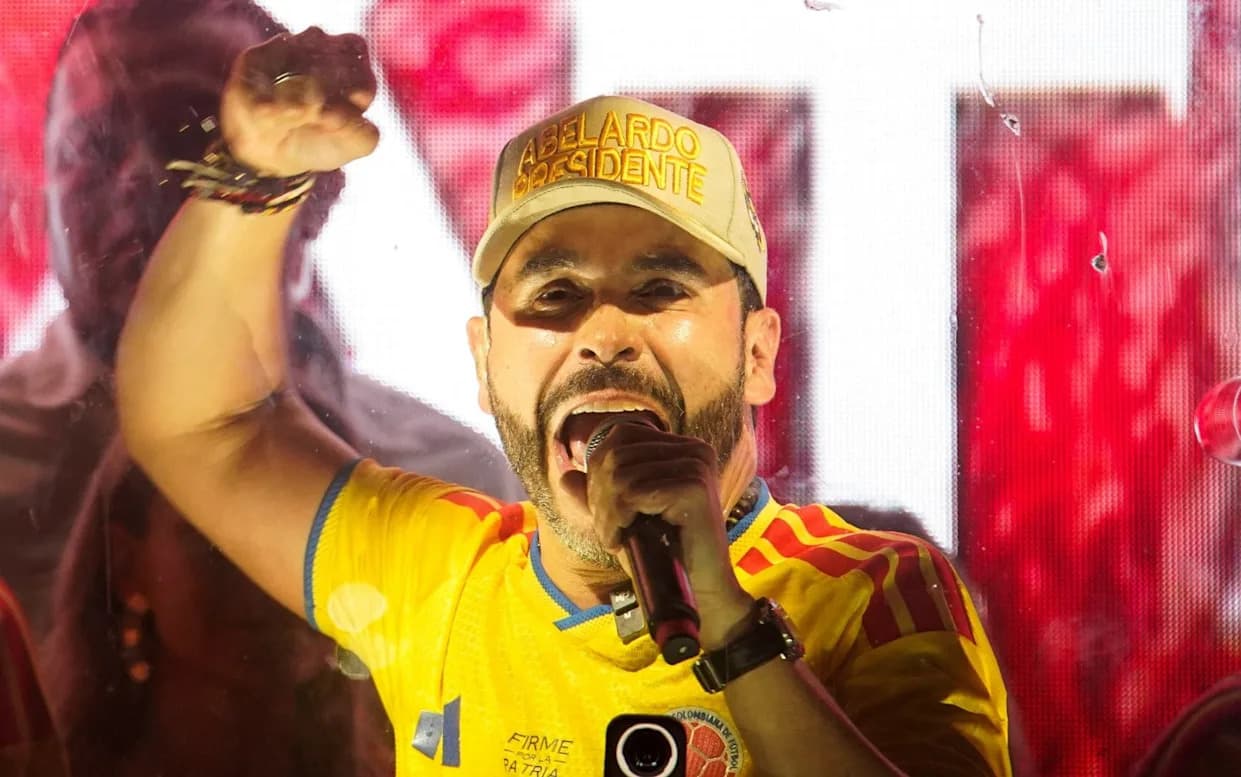
Abelardo de la Espriella had a shock first-round win in the Colombian presidential elections on Sunday - Sergio Acero/Reuters
Abelardo de la Espriella — a wealthy lawyer, entrepreneur and social-media personality who calls himself “El Tigre” — stunned pollsters by leading Colombia’s presidential first round with 44% of the vote, narrowly ahead of Leftist senator Iván Cepeda on 41%, and forcing a run-off later this month.
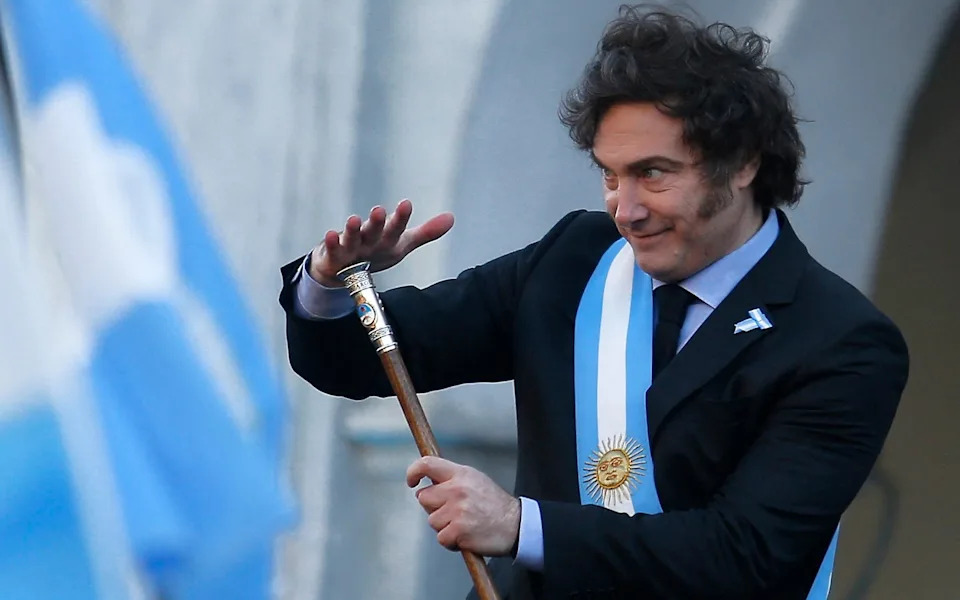
Abelardo de la Espriella is hoping to emulate Javier Milei, Argentina’s Right-wing president - Diego Lima/AFP
Outsider Campaign and Populist Message
With no prior elected office or major party backing, de la Espriella campaigned as a law-and-order outsider under the rallying cry “Firme por la patria!” (“Strong for the homeland”), promising a decisive break with the political establishment. His platform blends tough security measures, conservative social values, sweeping tax cuts and a pledge to shrink the size of government by about 40%.
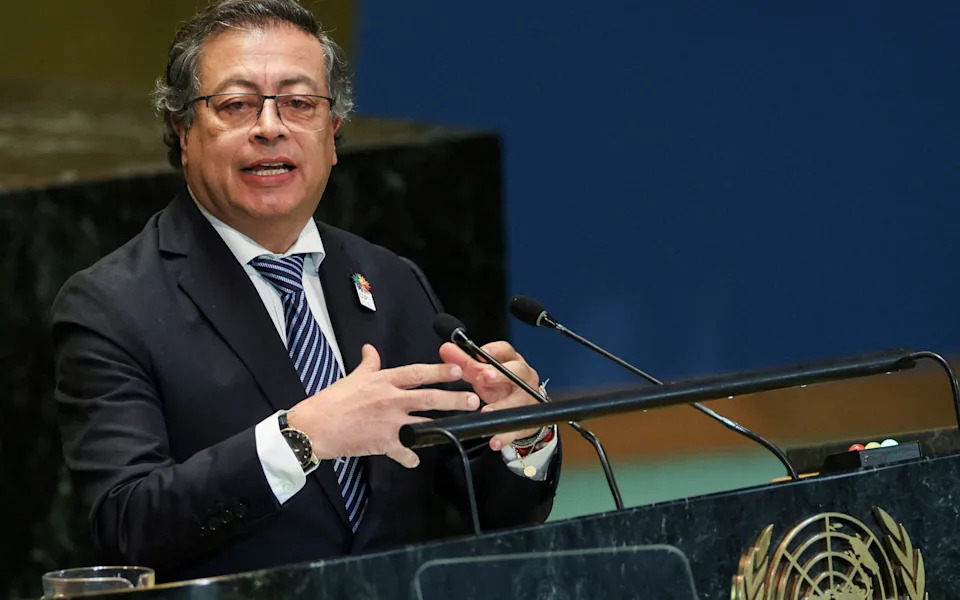
Gustavo Petro, Colombia’s outgoing Left-wing president, traded barbs with Donald Trump over US strikes on alleged drugs boats in the Caribbean and Pacific - Caitlin Ochs/Reuters
Security, Style and Foreign Influences
De la Espriella’s rise has been driven by security concerns: Colombia has seen a marked deterioration in violence since 2022, with the International Committee of the Red Cross reporting a dramatic humanitarian impact in 2025 — mass displacement up 111% and explosive-device casualties increasing by roughly a third.
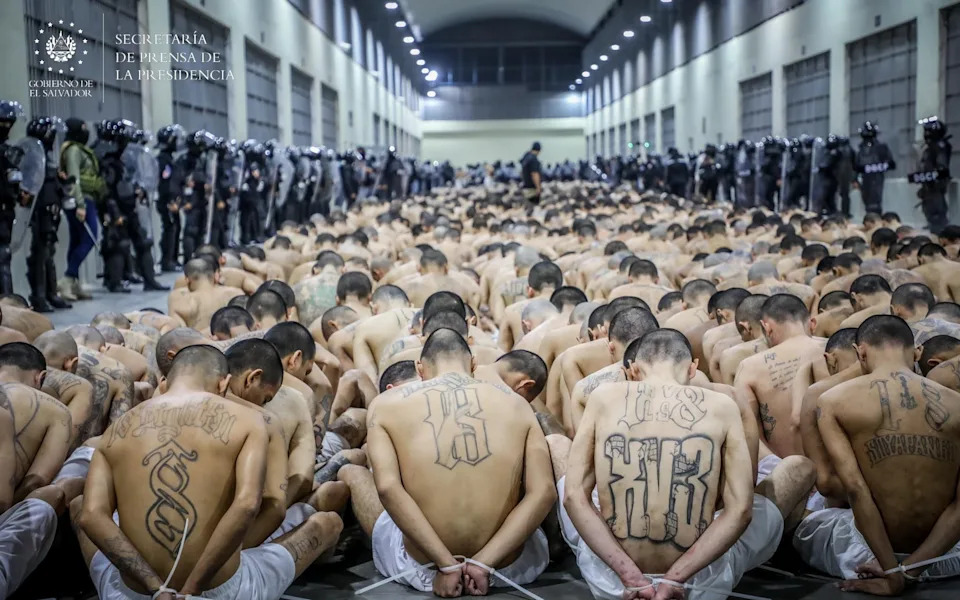
El Salvador has conducted mass trials of thousands of suspected gang members under Nayib Bukele’s instruction - Anadolu/Anadolu Agency
He openly admires polarising international figures such as Nayib Bukele, Donald Trump and Javier Milei, and has proposed measures modelled on Bukele’s approach: mega-prisons in remote regions, expanded detention powers for criminal groups, broader gun rights and closer military cooperation with the United States and Israel.
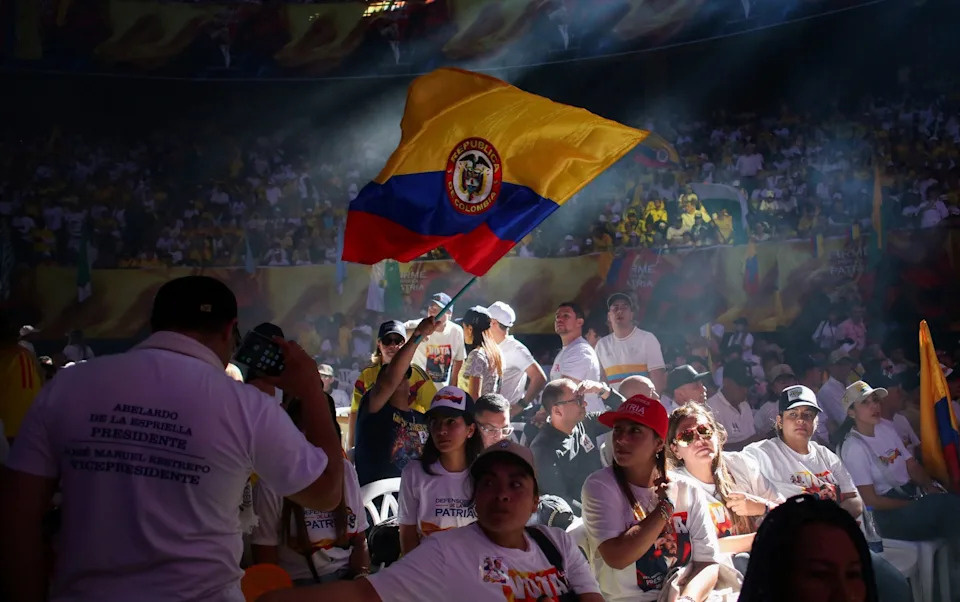
Abelardo de la Espriella’s supporters flock to a campaign rally in Medellin - Juan David Duque/Reuters
Campaign Tactics and Public Persona
Claiming security threats limit public rallies, de la Espriella has relied heavily on social media — he reportedly has more than 1.2 million Instagram followers and over 800,000 on TikTok — cultivating a celebrity-infused image that mixes macho rhetoric with spectacle.
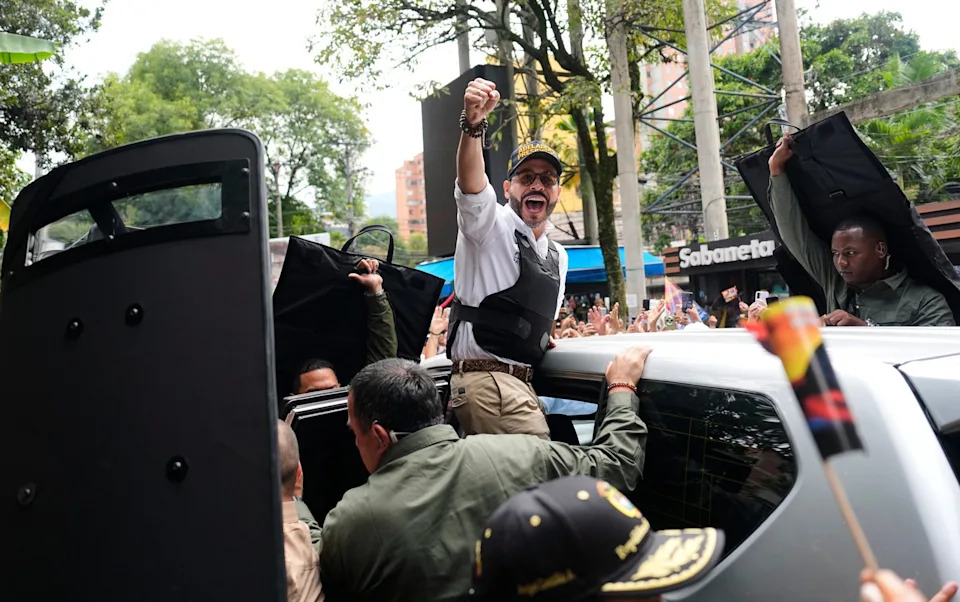
Abelardo de la Espriella raises his fist to supporters at a campaign rally - Fernando Vergara/AP
“I will kill myself for Colombia if I need to,” he declared in an emotional victory address while wearing a Colombia football jersey.
Criticism and Questions
Critics warn that his force-first prescriptions oversimplify complex, long-term problems. Analysts note that criminal groups persist where there is a vacuum of credible state presence, public services and economic opportunity — issues that a purely militarised approach cannot fully resolve.
Concerns have also been raised about his legal career: de la Espriella has represented controversial clients including Alex Saab, David Murcia Guzmán and former president Álvaro Uribe, and between 2008 and 2019 filed more than 100 defamation complaints against journalists, which opponents say chilled critical reporting.
What Comes Next
Cepeda, flanked by running mate Aida Quilcué, who was briefly kidnapped by guerrillas during the campaign, questioned the initial results’ accuracy but stopped short of alleging fraud. He has vowed to defeat what he calls the “fascist extreme Right” in the second-round run-off.
The campaign is expected to intensify online ahead of the run-off, with analysts warning of amplified social-media mobilisation and potential disinformation. The result will test whether Colombians choose a sharp turn toward security-first populism or maintain a different path amid persistent violence and social grievances.
Help us improve.