The San Pedro High School renovation uncovered millions of fossils beginning in 2022, including specimens dating back about nine million years. More than 200 species have been identified so far, from saber-toothed salmon and shorebirds to sea turtles and material possibly linked to a megalodon. The remains — including Miocene deposits preserved in diatomite and a Pleistocene shell bed — suggest a nutrient-rich ancient marine ecosystem. Researchers and local institutions are cataloging and studying the material, a process that may take years.
Millions Of Fossils Discovered Beneath San Pedro High School — Some Date Back 9 Million Years
Fossilized Finds Buried Under L.A. High Schoolshotbydave - Getty Images
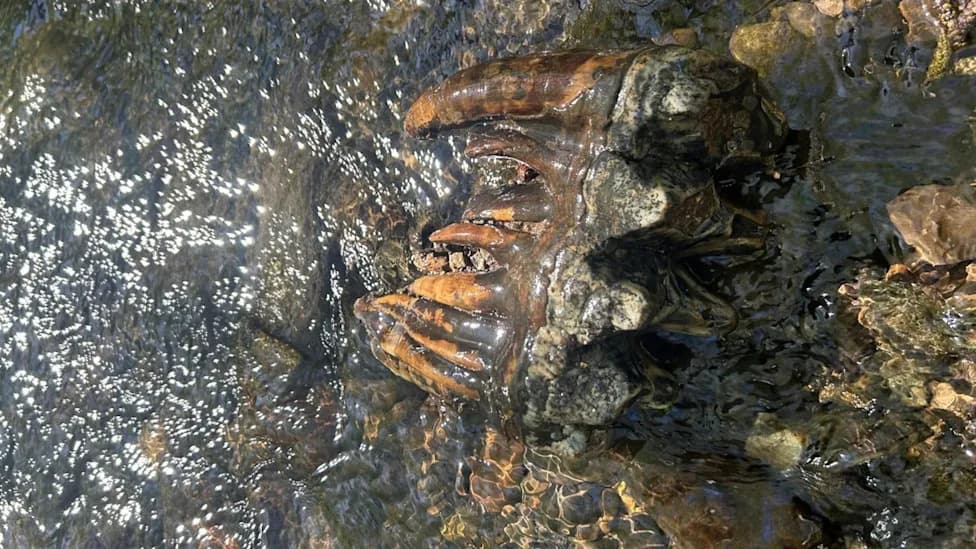
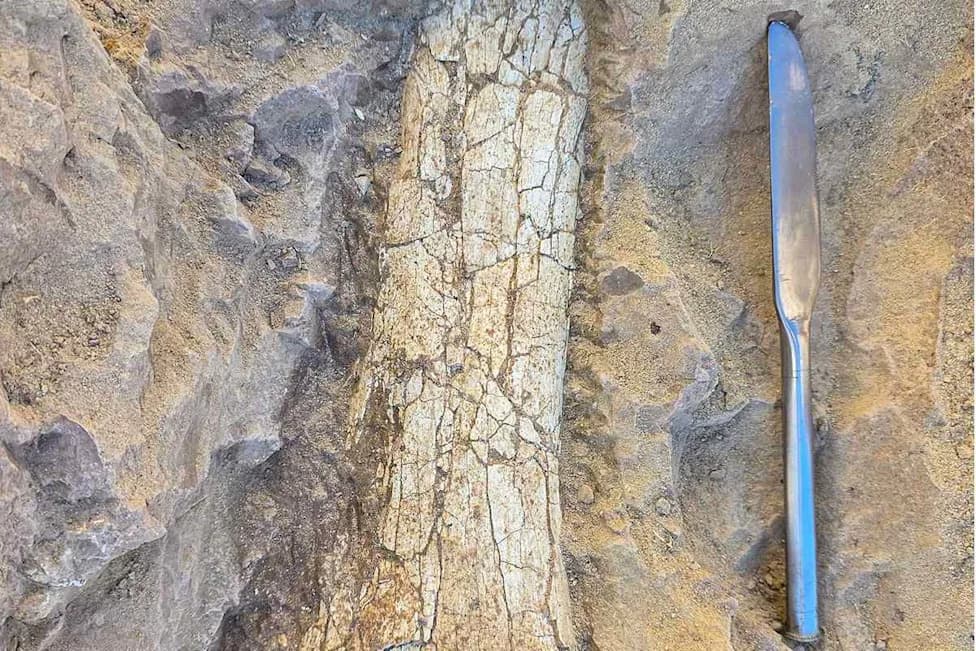
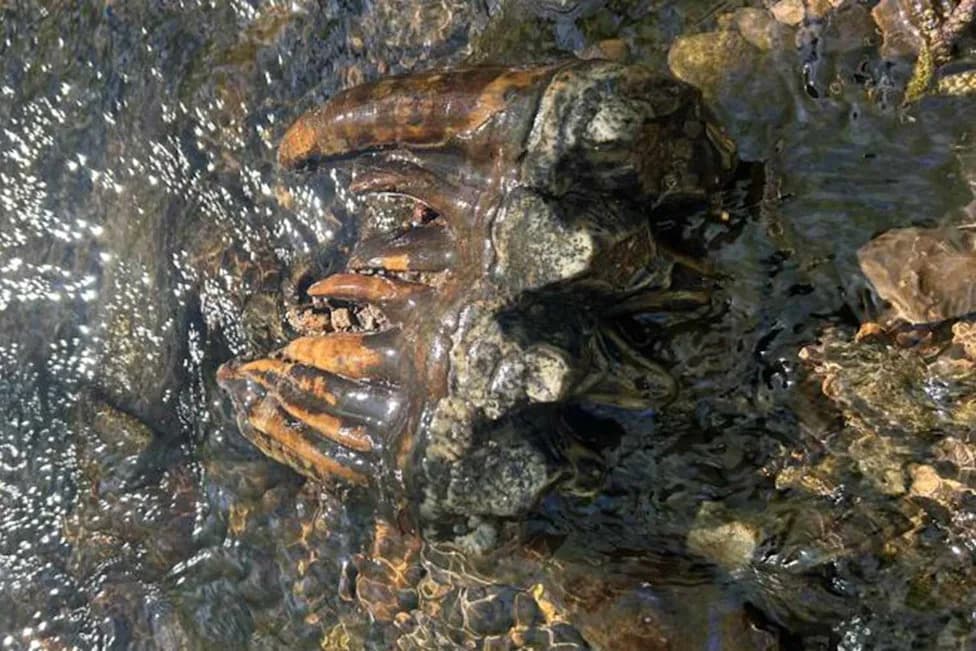
During a campus renovation that began in 2022, contractors working beneath San Pedro High School in Los Angeles uncovered an extraordinary paleontological trove: millions of fossils spanning a range of ages, including material that dates back roughly nine million years.
What Was Found
Excavations rapidly produced a diverse array of remains, from saber-toothed salmon and shorebirds to sea turtles and fragments possibly linked to the prehistoric megalodon. Project updates describe four Late Miocene bone-bed layers, a Pleistocene shell bed dated to about 120,000 years ago, sea-turtle gastroliths, and Miocene marine shells embedded in diatomite.
A Rare Window Into an Ancient Ocean
Wayne Bischoff, director of cultural resources at Envicom Corporation, said the deposit "represents an entire ecology of the ocean nine million years ago." The oldest fossils are preserved in diatomite — a siliceous rock formed from fossilized algae — which points to a nutrient-rich marine environment capable of supporting diverse life, from small invertebrates up to dolphins and whales.
“There’s never been this type of density of fossils ever found at a site like this before in California,” Bischoff told local reporters, noting the finds reinforce the view that parts of ancient Los Angeles were once underwater.
Scope, Study, and Community Impact
Researchers have identified more than 200 species so far, but experts say it will take years of careful analysis to determine the full extent of the assemblage. Alberto Carvalho, superintendent of the Los Angeles Unified School District, said the site could spark concentrated scientific study and bring fresh attention to the community and the high school.
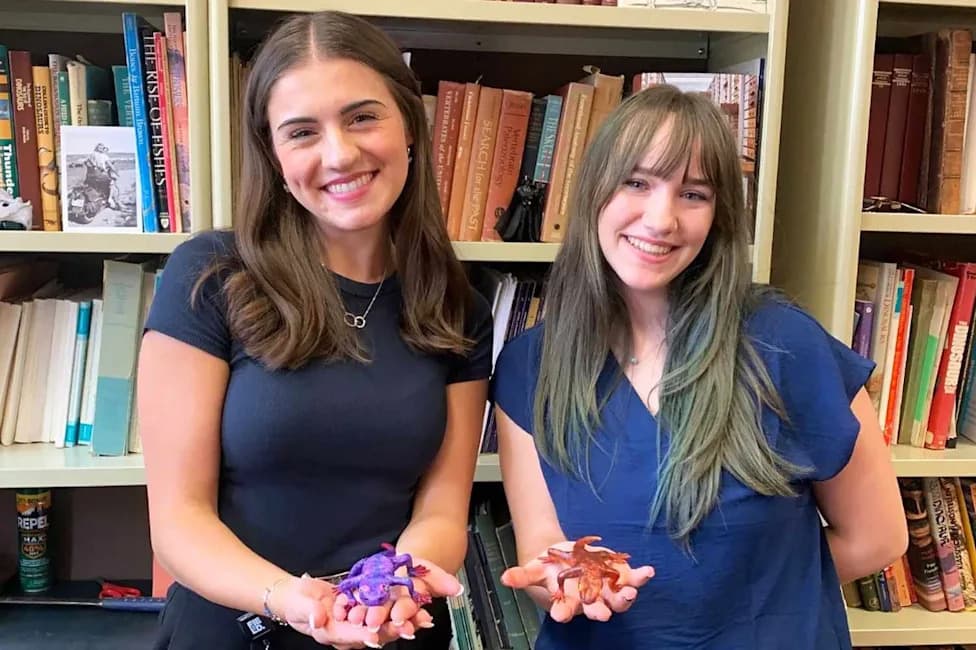
Most of the material is now in the hands of researchers and partner institutions, including LAUSD staff, the Cabrillo Marine Aquarium, Cal State Channel Islands, and the Natural History Museum of Los Angeles County. Students have taken part in processing the finds: San Pedro student Milad Esfahani helped sort fossilized shells at the museum and described the work as "sort of like gold panning," saying the experience inspired him to pursue marine paleontology.
Construction And Next Steps
Construction scheduling was affected by the discoveries. LAUSD’s modernization updates indicated Building 3 would reopen in Spring 2026, with Building 8 vacated for the next phase; magnet programs were to operate at a nearby campus during 2025–2026. Earlier plans had projected construction through the first quarter of 2026, suggesting on-site work extended into later phases as teams documented and recovered fossils.
Although the deposits offer an unusually complete snapshot of a marine ecosystem, formal scientific publications and comprehensive analyses are still limited. Bischoff and other specialists emphasize that the assemblage will provide invaluable evidence for future researchers reconstructing coastal and oceanic life in the region nine million years ago.
Why It Matters
The density and diversity of fossils found under an urban high school make this discovery exceptional for California. Beyond its scientific value, the find has created hands-on educational opportunities for students and has connected local institutions to a long-term research project that could reshape understanding of prehistoric Southern California marine environments.
Help us improve.