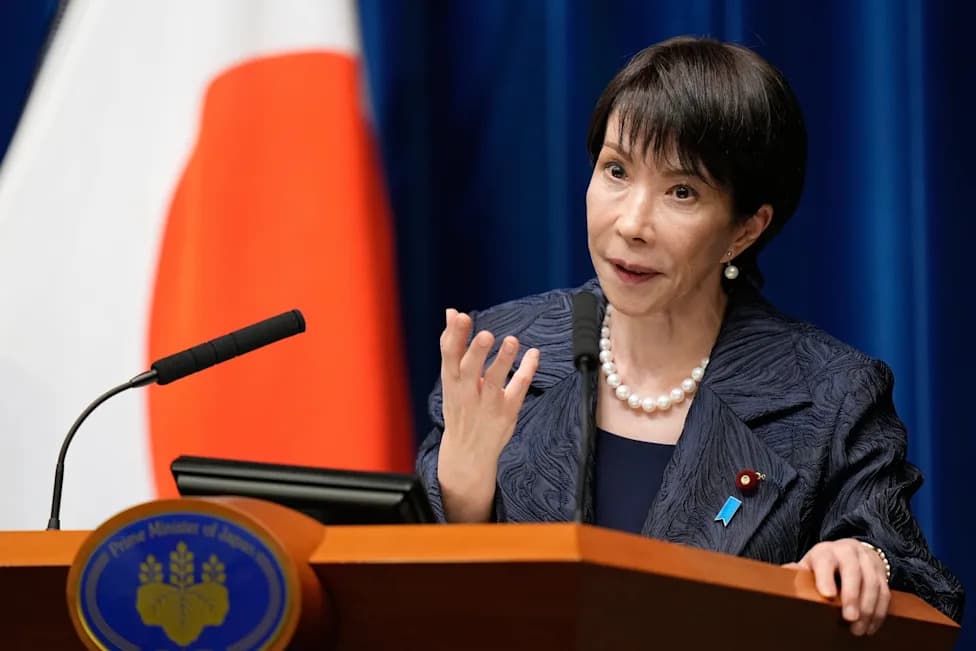
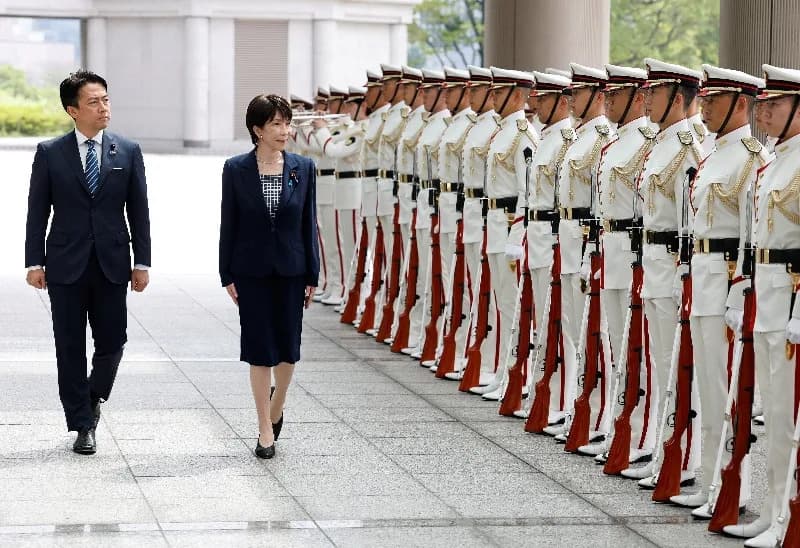
Japan's defence minister, Shinjiro Koizumi, dismissed Chinese accusations that Tokyo is pursuing "new militarism," instead pointing to China's expanding military and lack of transparency as the greater concern. He defended Japan's 12-year rise in defence spending — now over ¥9 trillion — as a defensive, transparent effort and pledged continued dialogue. Prime Minister Sanae Takaichi's sweeping defence reforms, including missile buys, drone programs and relaxed arms-export rules, have provoked heated domestic debate and large anti-war protests.
Koizumi Rejects 'New Militarism' Label, Points to China's Expanding Arsenal
Japan's defence minister, Shinjiro Koizumi, has firmly rejected Beijing's accusation that Tokyo is embracing a "new militarism," instead calling attention to what he described as China's rapid military expansion and limited transparency.
Speaking on the final day of a defence summit in Singapore and at the Shangri-La Dialogue, Koizumi said it was actually China — with its "huge arsenal" of weapons — that posed a "serious concern" to the international community. His comments were among Tokyo's strongest responses to repeated Chinese criticism of Japan's defence buildup under Prime Minister Sanae Takaichi.
Context and Financial Commitments
The two neighbours share a fraught history rooted in Japan's wartime actions during the Second World War, and tensions have resurfaced amid regional security shifts. Tokyo has increased defence spending for 12 consecutive years; the cabinet approved a budget in December that allocates more than ¥9 trillion (about $57bn, £42bn) as Japan moves toward a 2% of GDP defence target.
Koizumi's Message at Shangri-La
At the forum, Koizumi argued it was "only natural" for any nation, including Japan, to modernise its defences to meet evolving challenges and to contribute to regional stability. He sought to reassure delegates — including representatives from countries that suffered under Japanese occupation in WWII — pledging greater openness:
"Japan will proceed with a high degree of transparency and engage in continuous dialogue with other countries. What are we developing these capabilities for? And based on what thinking? Japan will move forward while making a clear explanation to the international community."
He rejected the charge of "new militarism" as "nothing further from the truth," contrasting Japan's posture with what he termed China’s more expansive capabilities: "There's a country that has a huge arsenal of nuclear weapons and strategic bombers. Japan has neither of these weapons. And yet Japan is labelled 'new militarism'. Isn't it strange?"
Apology Question and Diplomatic Tone
Following his speech, a Chinese military representative asked whether Japan would issue another apology to victims in China, South Korea and Southeast Asia from WWII. Koizumi did not offer a new apology; instead he reiterated concerns about China's growing military footprint while saying that "Japan's door is always open" for communication with Beijing.
Policy Changes and Domestic Debate
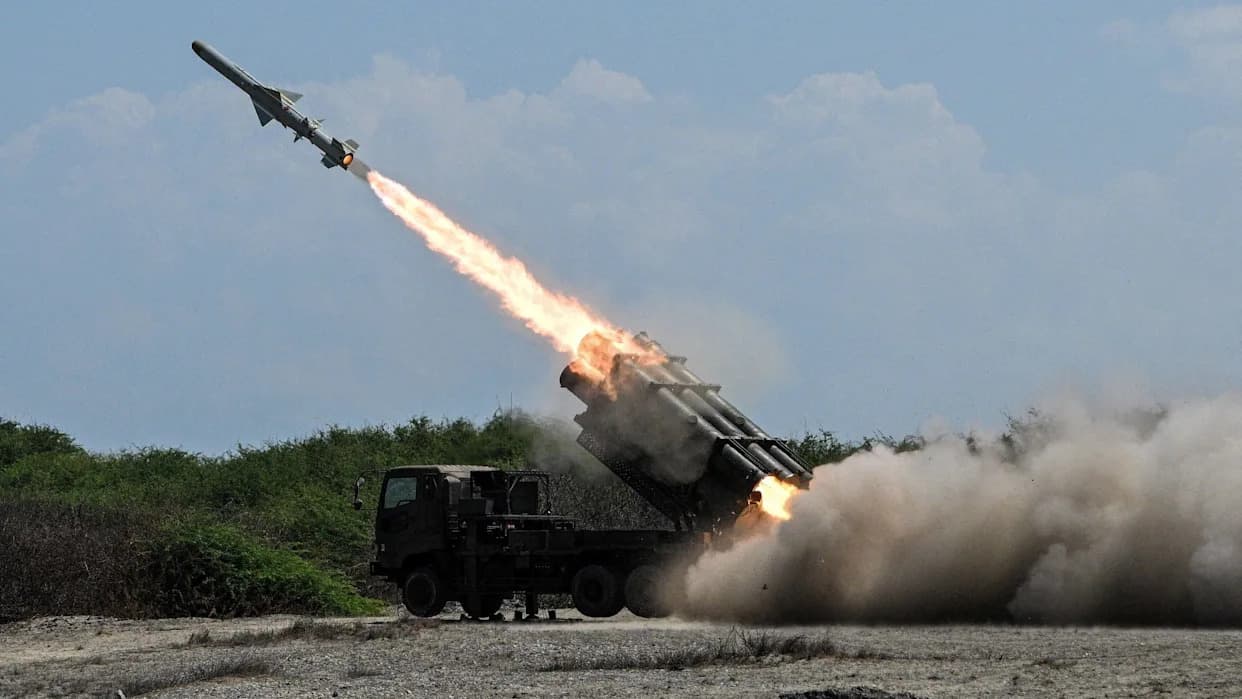
Since taking office in October 2025, Prime Minister Sanae Takaichi has pursued major defence reforms. Plans include purchases of new surface-to-ship missiles, expanded deployment of unmanned drones on land and underwater, relaxed rules to permit exports of lethal weapons to other countries, and a scheduled revision of key security documents by year-end. Takaichi has also proposed amending Article 9 of Japan's constitution, the postwar pacifist clause that renounces war.
Domestically, these moves have been polarising. Supporters say stronger defences are necessary to deter threats, particularly from China; critics warn that a more muscular posture could heighten regional tensions and erode Japan's postwar pacifism. In recent months, large anti-war protests — described by some organisers as the biggest in decades — have underscored the political sensitivity of the shift.
Regional Implications
Tensions with China have periodically spiked, most recently after Beijing criticised comments by Prime Minister Takaichi suggesting Japan could deploy its Self-Defense Forces if China attacked Taiwan. Analysts say the exchange between Tokyo and Beijing reflects broader strategic competition in the region and highlights the challenge of balancing deterrence, transparency and diplomatic engagement.
Outlook: Koizumi's statements signal Tokyo's intent to defend its policy choices while appealing for dialogue. The international community will be watching how Japan balances capability development, transparency, and diplomacy amid an increasingly volatile security environment.
Help us improve.