The Department for Transport is accused by industry insiders of discouraging train operators from hedging diesel purchases ahead of the Iran conflict to avoid "gambling" with public funds. The DfT denies blocking hedging and says it has received no formal requests in the past two years; operators usually must seek permission before hedging fuel. Insiders warn the approach could push up fares or reduce services as fuel costs rise, with TransPennine Express facing a forecast fuel bill increase of up to 75% year-on-year.
DfT Accused Of Blocking Rail Fuel Hedging Ahead Of Iran Conflict — Insiders Say Policy Risked Higher Fares
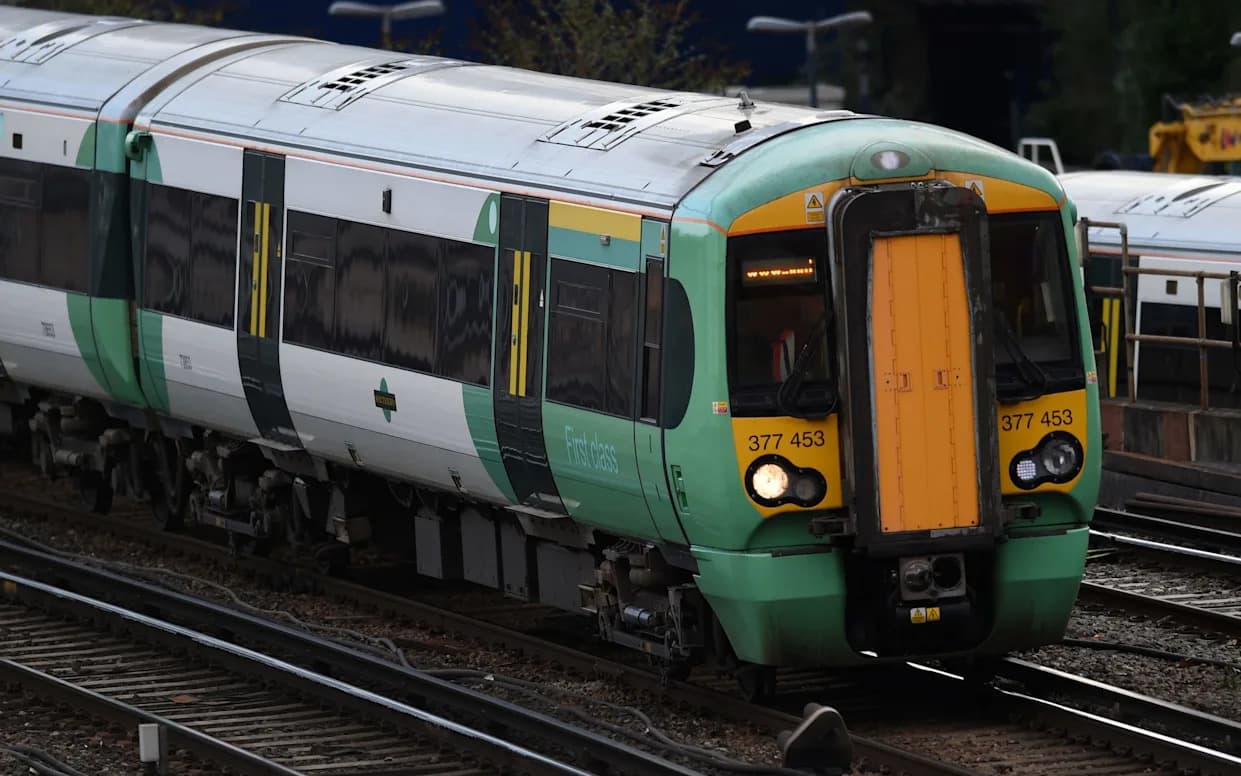
Train operators have faced surging fuel prices since the start of the Iran war - Kirsty O'Connor/PA
Senior railway insiders have told The Telegraph that Labour ministers and officials at the Department for Transport (DfT) discouraged train operators from hedging diesel purchases in the run-up to the Iran conflict. Sources say the policy aimed to avoid the appearance of "gambling with taxpayers' money" after the DfT assumed greater financial risk following the Covid period.
What Insiders Say
Several unnamed industry figures told the newspaper that operators who sought to buy diesel forwards — effectively locking in lower prices — were told not to proceed. One senior industry executive whose company carries tens of millions of passengers per year said:
“When DfT took on the financial cost risk from the Covid era onwards, they told us not to hedge. We’ve challenged that subsequently and always been told no as it’s government policy not to hedge fuel.”
Another source, speaking on condition of anonymity, suggested the restriction stemmed from Treasury concerns:
“The risk is that if the oil price falls, the hedge funds make money at the expense of the taxpayer.”
Timing And Consequences
Wholesale oil prices rose sharply after military strikes on Iran at the end of February, and industry data cited in reports showed the wholesale price of UK red diesel climbing by nearly two-thirds to about 117.56p per litre between February and April. Insiders warn that if operators were prevented from hedging, the result could be higher fares next year, fewer services, or increased public subsidy as services are brought under state control.
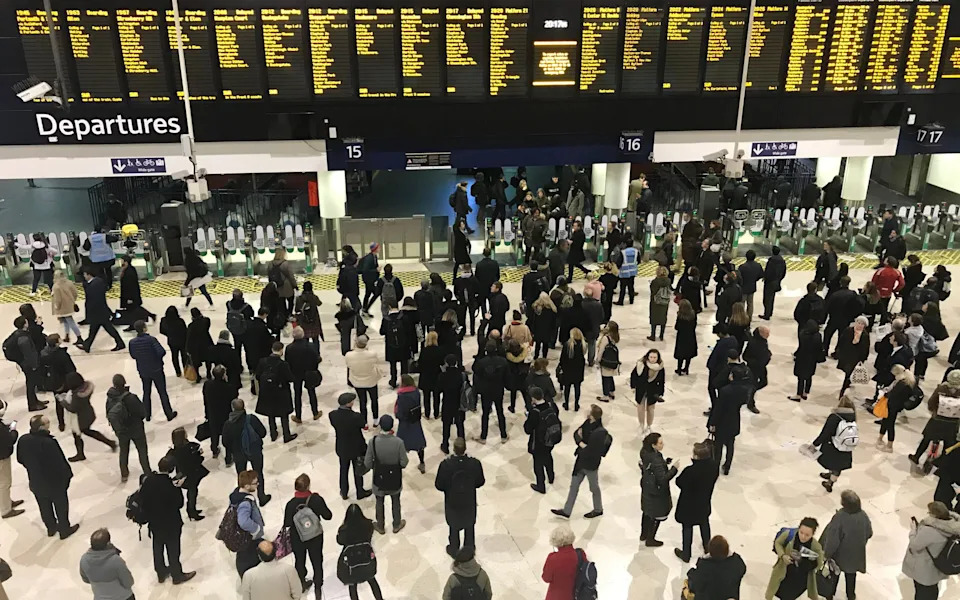
Passengers will bear the brunt of rising fuel prices - Isabel Infantes/PA
Operators Named And Historical Practice
The operators reportedly affected include Thameslink, Avanti West Coast, Great Western Railway (GWR) and TransPennine Express (TPE); the latter three are, or were, part of FirstGroup’s businesses. Historically, large transport groups such as FirstGroup and Arriva purchased diesel in bulk for both trains and buses — a practice insiders say reduced exposure to sudden price spikes.
DfT Response And Process
A DfT spokesman described the allegations as misleading, saying the department had not received any formal hedging requests from operators in the past two years and that it had not blocked operators from hedging. The department confirmed that operators are required to seek permission from the Transport Secretary before hedging fuel in most cases, and that requests are assessed on their merits. Electricity hedging for traction power is commonly treated differently and is typically permitted.
The DfT also noted that Northern Trains, which was nationalised in 2020, made a board-level decision to hedge fuel in 2023. A departmental source added:
“We have a pretty fearsome set of questions for train companies entering the public sector. 'What are you doing about fuel hedging?' isn't high up on that list of due diligence. I think we're reasonably sanguine about this.”
Industry Views On Options
Rail historian and broadcaster Christian Wolmar told The Telegraph that operators have limited immediate options when fuel costs spike:
“Either you raise ticket prices or cut back on the number of services to save the cost of running them. But cutting trains tends to put people off and lead to falling ticket sales over time. Under a nationalised railway the taxpayer can absorb higher costs through increased subsidies — if the political will is there.”
At present, the DfT says it is not aware of any operator facing diesel shortages.
Help us improve.