WASHINGTON, May 30 (Reuters) - A federal judge in Florida has ordered a review of the Justice Department's settlement with President Donald Trump that would resolve his $10 billion lawsuit against the Internal Revenue Service, intensifying scrutiny of a deal that has drawn bipartisan criticism.
The proposed agreement would create a nearly $1.8 billion 'Anti-Weaponization Fund' meant to compensate people alleged to be victims of political 'weaponization' of federal agencies. It would also bar the IRS from pursuing audits into certain past tax claims involving Trump, his relatives and his businesses for returns filed before May 18 or for any matters 'that were raised or could have been raised.'
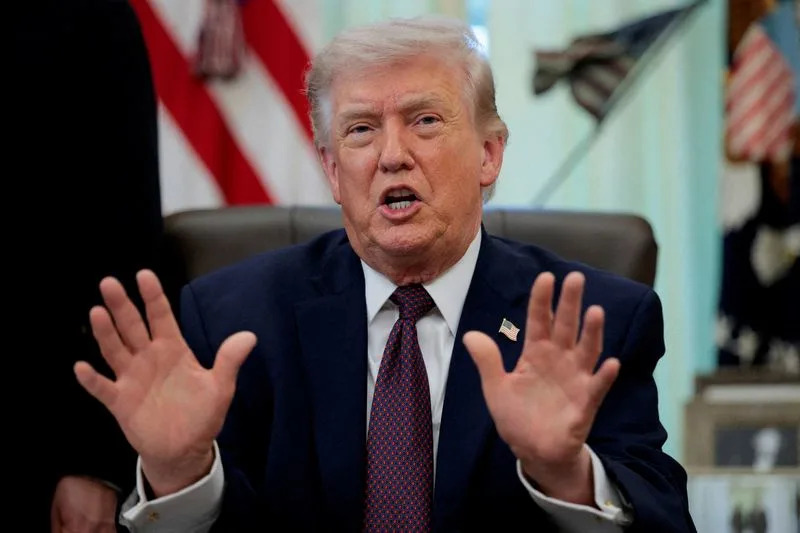
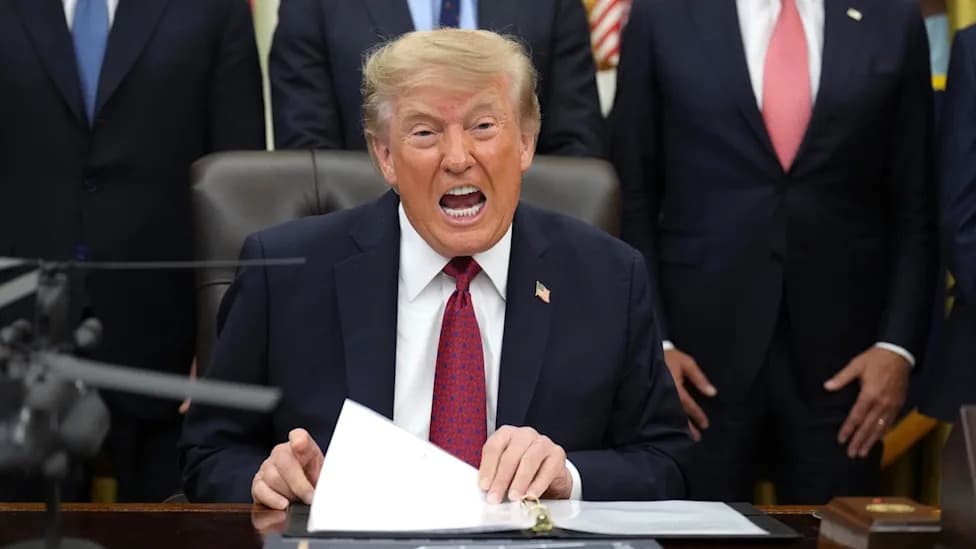
FILE PHOTO: U.S. President Donald Trump speaks during the signing ceremony for an executive order on mail ballots, in the Oval Office of the White House in Washington, D.C., March 31, 2026. REUTERS/Evan Vucci/File Photo
Court Order Forces New Review
U.S. District Judge Kathleen Williams ordered lawyers for Mr. Trump to respond by June 12 to a motion filed by 35 retired federal judges. The retirees contend the settlement 'is a product of collusion and is itself a fraud on the court' and urge the court to consider reopening the case amid allegations that the suit was the result of 'deception' by both Trump and government officials.
"The court is empowered to investigate serious misconduct," Judge Williams wrote in her new order, after having initially granted a dismissal of the case on May 18.
Following the announced settlement, Trump moved to dismiss the lawsuit — a step critics say was intended to prevent further judicial scrutiny of the agreement. It is uncommon for a judge to require the government to answer a motion after a case has been dismissed; if Williams reopens the matter, she could schedule hearings or take other actions.
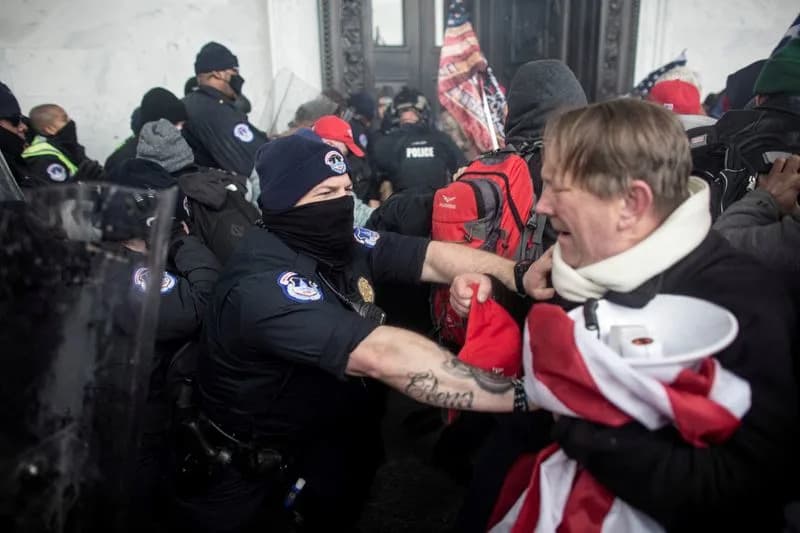
FILE PHOTO: A U.S. Capitol window is seen smashed a day after supporters of U.S. President Donald Trump stormed the Capitol in Washington, U.S., January 7, 2021. REUTERS/Erin Scott/File Photo
Separate Blocking Order In Virginia
Separately, U.S. District Judge Leonie Brinkema in Virginia issued a temporary order on Friday blocking the administration from establishing the fund, with the injunction set to remain in place at least through June 12.
The fund sparked backlash from lawmakers across the political spectrum, including some Republicans who objected that it could result in taxpayer-funded payouts to certain people involved in the Jan. 6, 2021, attack on the U.S. Capitol. Critics derided the proposal as a potential 'slush fund.'
Legal experts described the settlement as highly unusual both because of the nature of Trump's lawsuit against the IRS and because funds of this size are typically created by Congress or established and supervised by a court. The retired judges' motion and the Virginia injunction add new legal hurdles and political controversy to a settlement that has already prompted intense public debate.
Reporting by David Shepardson; Editing by Nia Williams.