Brazil has sharply criticized the U.S. decision to list Primeiro Comando da Capital (PCC) and Comando Vermelho (CV) as foreign terrorist organizations, calling the move an infringement on national sovereignty. Brasília stressed the gangs' activities are profit-driven criminality rather than ideologically motivated terrorism and warned unilateral measures could weaken intelligence-sharing and harm the economy. The government also noted it has proposed closer U.S.-Brazil cooperation on money laundering and arms trafficking.
Brazil Condemns U.S. Terror Designation of PCC and Comando Vermelho, Warns of Sovereignty Risks
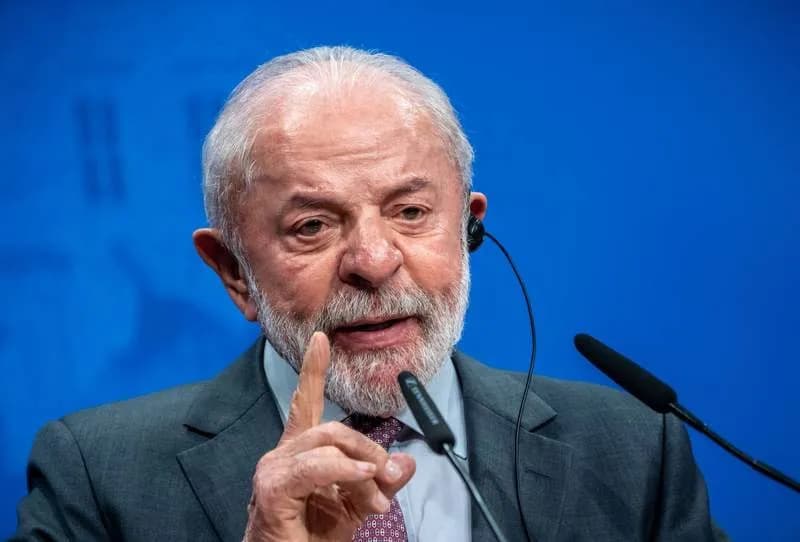
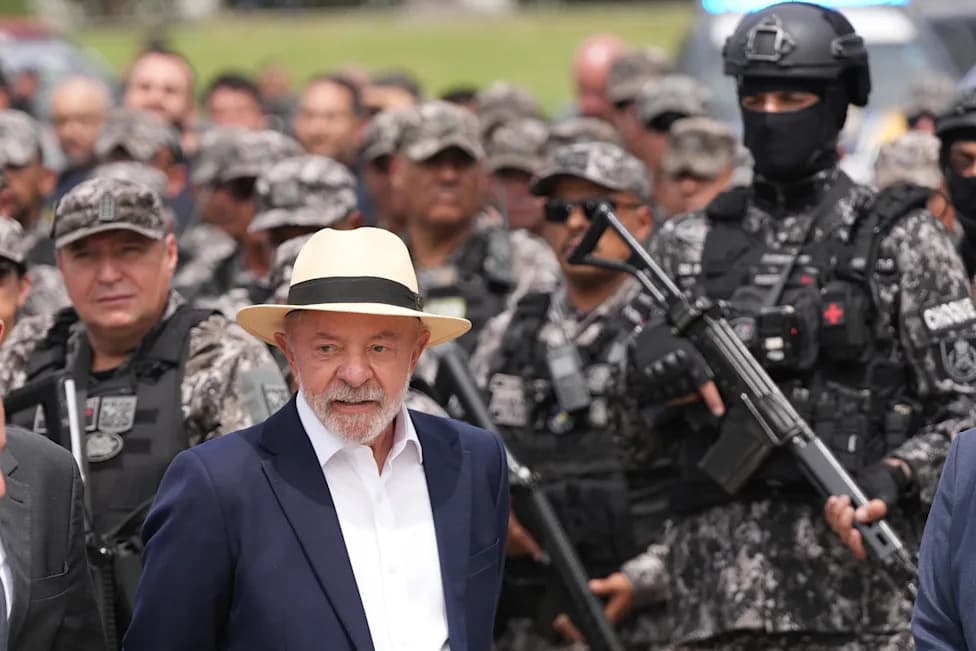
FILE PHOTO - Brazil's President Lula da Silva speaks during a joint press conference with German Chancellor Friedrich Merz (not pictured) at the Herrenhausen Palace in Hanover. (is associated with: «Brazilian government criticizes US move against drug gangs») Michael Kappeler/dpa
The Brazilian government has strongly criticized the United States' decision to classify two Brazilian criminal groups as foreign terrorist organizations, warning the move could undermine national sovereignty and damage bilateral security cooperation.
"National sovereignty is non-negotiable," the government of President Luiz Inácio Lula da Silva said in an official statement.
On Thursday, the U.S. State Department announced it would designate Primeiro Comando da Capital (PCC) and Comando Vermelho (CV) as foreign terrorist organizations effective June 5. Washington said the designation reflects the groups' extreme violence in Brazil and the reach of their influence into the United States.
In response, Brasília argued that the violence inflicted by these groups is primarily profit-driven criminality — notably drug and arms trafficking — and "cannot be confused with the kind of action motivated by ideological, political, and religious reasons seen in international terrorism." The government also cautioned against "arbitrary measures from abroad" that could be used as a pretext to attack Brazil's sovereignty and economy.
Brazil highlighted ongoing cooperation with U.S. authorities in combating organized crime and said it has recently submitted proposals to Washington for closer collaboration on money laundering and arms trafficking. Officials warned that unilateral designations could weaken intelligence-sharing between security agencies, disrupt operational cooperation, and cause economic harm.
Brasília expressed particular concern that the U.S. designation might be interpreted as a legal basis for tougher measures, potentially including actions on Brazilian territory — a development the government says would infringe on national sovereignty and complicate joint efforts against organized crime.
Both countries face the challenge of balancing pressure against violent criminal networks with respect for sovereignty and established channels of security cooperation.
Help us improve.