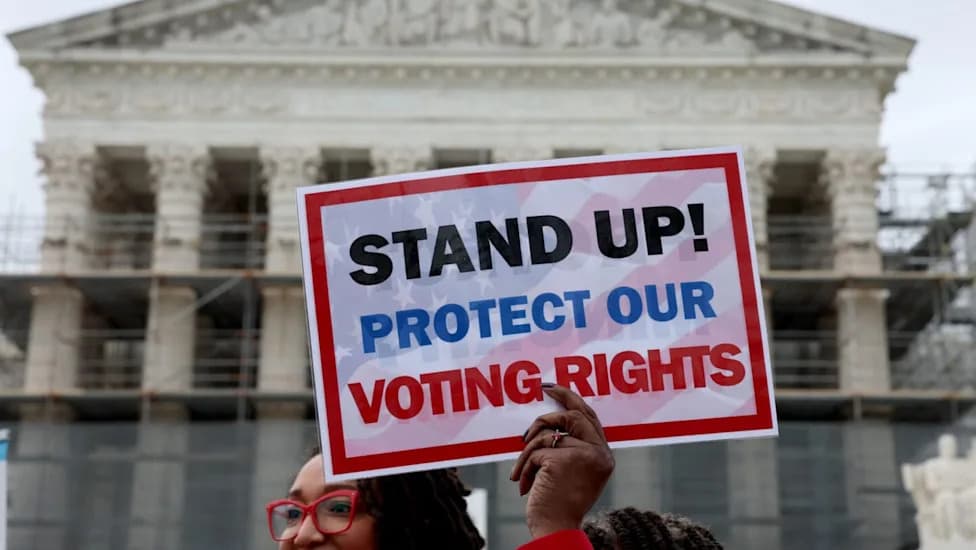
Democrats are pressuring major companies to oppose moves they say would weaken majority‑Black voting districts following the Supreme Court’s Callais v. Louisiana ruling. The Congressional Black Caucus sent letters to over 200 firms asking them to condemn efforts to dilute Black voting power and disclose political spending. Separately, 16 Democratic attorneys general urged donor‑advised funds to lift restrictions on donations to the Southern Poverty Law Center. Activists warn corporations that aligning with policies seen as undermining racial equity could bring political and reputational consequences.
Democrats Put Corporations On Notice After Callais Ruling, Warn Of 'Jim Crow' Resurgence
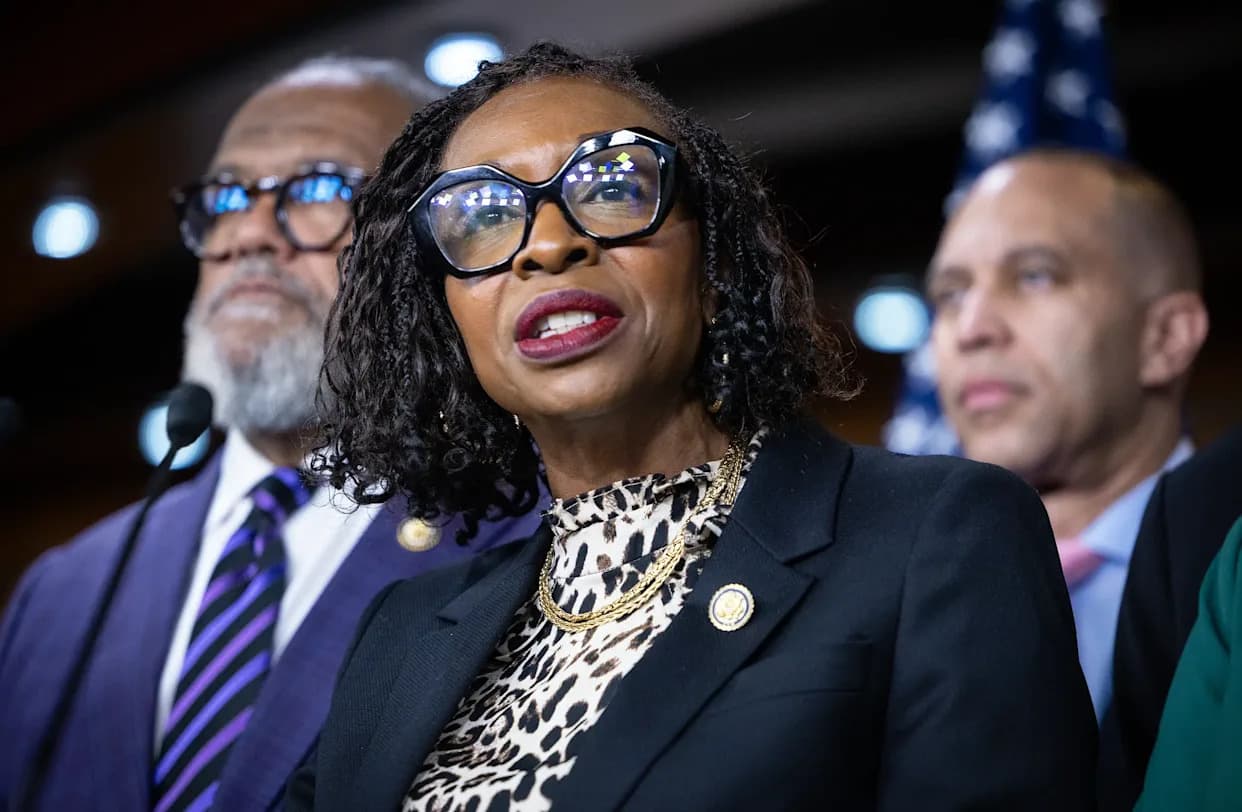
Congressional Black Caucus Chair Congresswoman Yvette Clarke speaks at a press conference with other members of the CBC on April 29, 2026 at the U.S. Capitol.(Nathan Posner / Anadolu via Getty Images)
Democratic lawmakers and civil‑rights advocates are pressing corporate America to take a public stand after the Supreme Court’s Callais v. Louisiana decision, which critics say opens the door to racially discriminatory gerrymandering.
Congressional Black Caucus Sends Corporate Letter
On Tuesday, the Congressional Black Caucus (CBC) said it sent a letter to more than 200 companies and trade groups urging them to oppose efforts to eliminate majority‑Black districts. The CBC asked firms to publicly condemn measures that would dilute Black voting power and to disclose their political spending and contributions.
“Many corporations spoke clearly during that moment about the importance of protecting democratic participation, defending civil rights, and advancing racial equity,” the CBC’s letter reads. “Today, those commitments are being tested.”
Context: Corporate Promises and Past Advocacy
The letter recalls that in 2021 a coalition of corporations wrote to Congress in support of the John Lewis Voting Rights Advancement Act, warning that federal safeguards were needed to prevent racial discrimination and voter suppression. Signatories at the time included major firms such as Apple, Dell and Google. The CBC notes that some executives have since shown varying levels of alignment with President Donald Trump’s political agenda.
Broader Democratic Pressure Campaign
The CBC’s outreach is part of a broader push: it has publicly urged student‑athletes to consider boycotting public universities in states where lawmakers have acted to dismantle or redraw majority‑Black districts. Separately, 16 Democratic state attorneys general last week sent a letter to three donor‑advised funds asking them to lift restrictions on contributions to the Southern Poverty Law Center (SPLC).
The charity arms of Fidelity and Vanguard, along with an entity called Donor Advised Charitable Giving, imposed limits on donations to the SPLC after an indictment brought by the Justice Department during the Trump administration that critics called baseless. Democratic officials argue the SPLC plays a vital role in tracking and helping dismantle white‑supremacist networks.
Reputational and Political Stakes
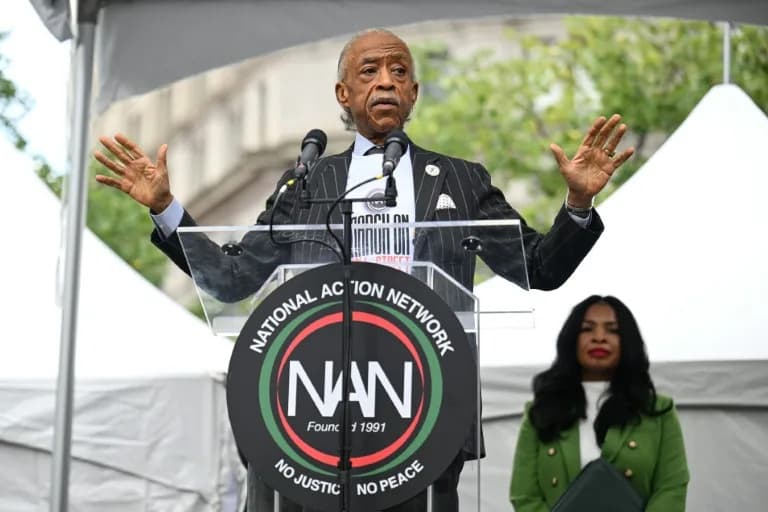
In a recent conversation with the Rev. Al Sharpton and the hosts of Morning Joe, Sharpton warned that companies perceived to be aligning with efforts that reduce workplace or civic diversity could face political and reputational consequences from Democrats, activists and consumers. CBC leaders and allied officials are signaling they may hold corporations accountable through public pressure, disclosure demands and targeted campaigns.
What This Means: Corporations that previously supported federal voting‑rights reforms now face renewed scrutiny to demonstrate consistent commitments to racial equity and democratic participation. The debate highlights the growing role of corporate political activity and public accountability in contested fights over voting maps and civil rights.
Help us improve.