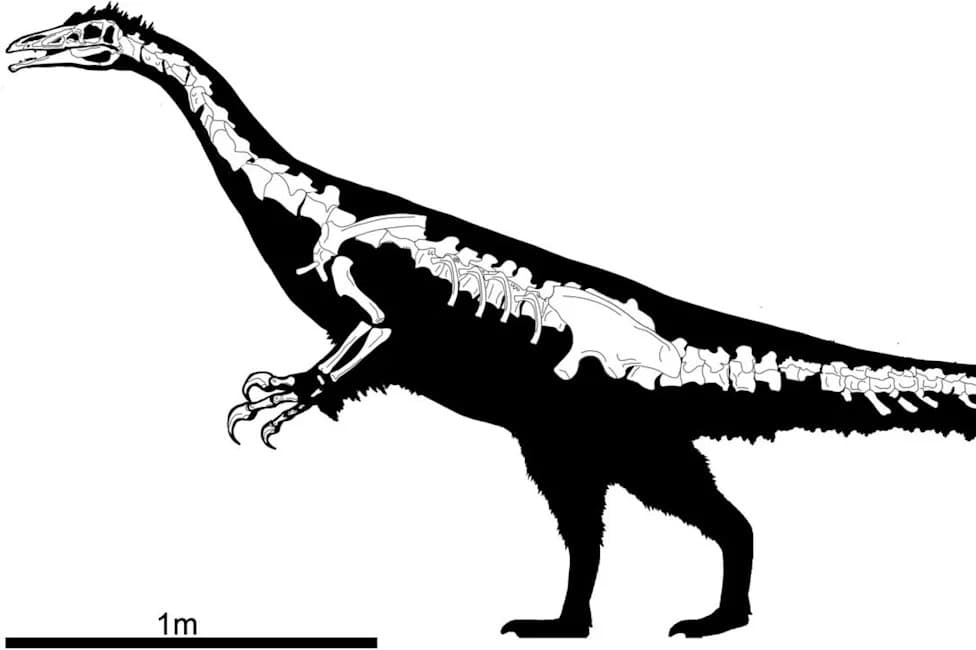
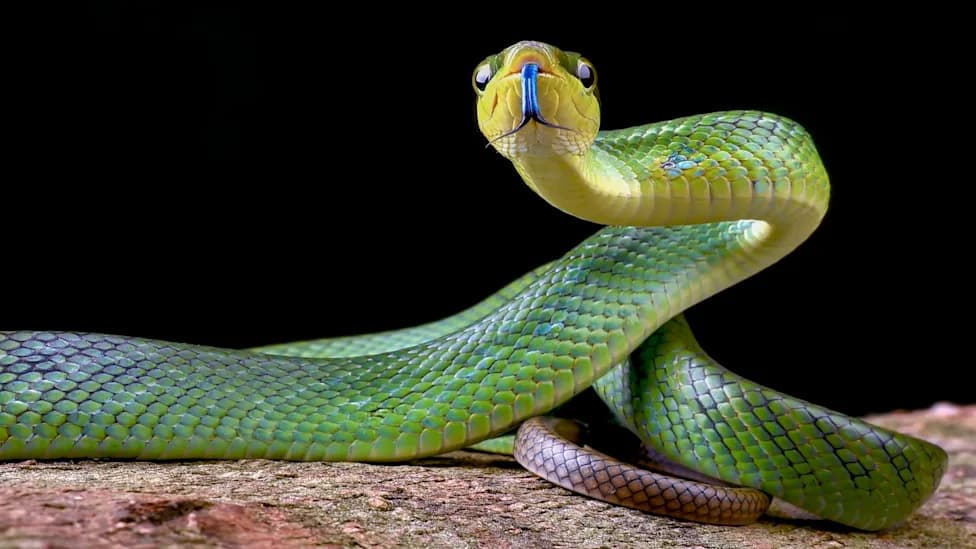
A partial upper jaw excavated near Villeveyrac, France, has been identified as a new pan-shinisaur species, Acutodon villeveyracensis, from the Campanian stage about 83 million years ago. The 2.8 cm jaw suggests these crocodile-lizard relatives occupied Europe some 30 million years earlier than previously known and may have exceeded 1 m in length. The find fills a major gap in pan-shinisaur history and highlights conservation concerns for the lineage's sole modern survivor, the endangered Chinese crocodile lizard.
Single Fossil Jaw Rewrites History — Crocodile-Lizard Relative in Europe 30 Million Years Earlier
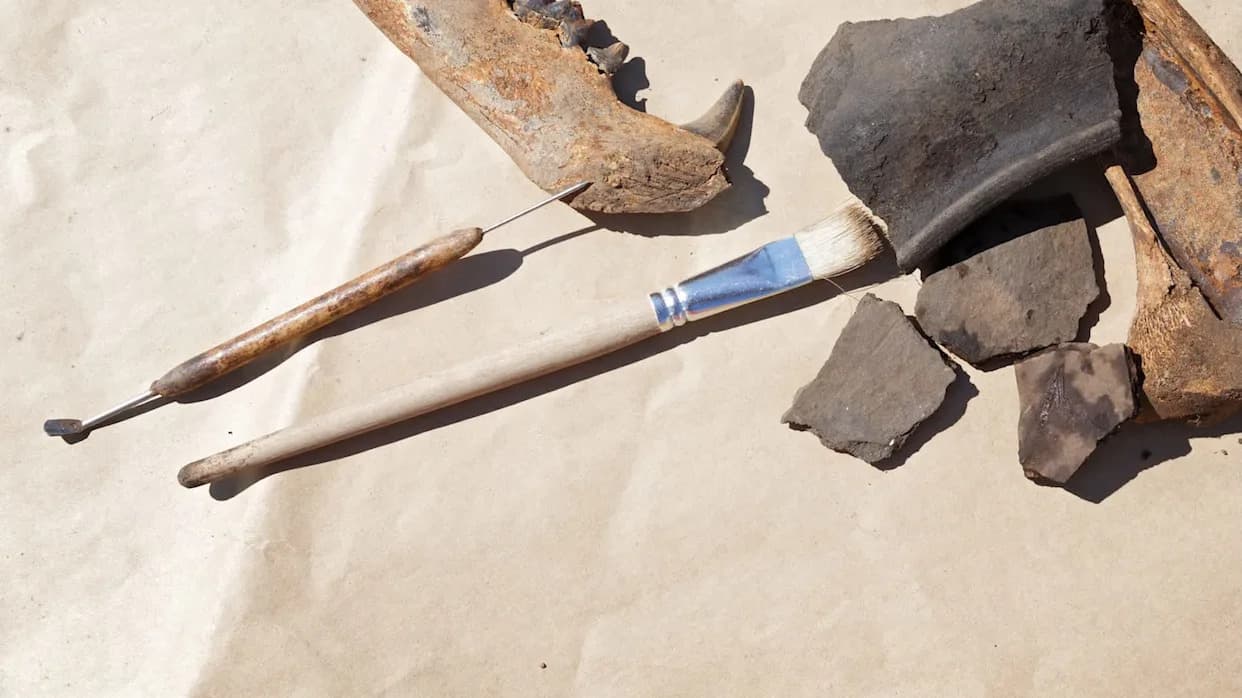
Photo Credit: iStock
A small fossilized upper jaw discovered near Villeveyrac in southern France is changing scientists' view of reptile evolution. Paleontologists identify the specimen as a new pan-shinisaur genus and species, Acutodon villeveyracensis, and date it to the Campanian stage of the Late Cretaceous, about 83 million years ago.
What Was Found
The only preserved element is an upper jaw approximately 2.8 cm (about 1 in) long. Despite its size, the jaw's overall shape and narrow, recurved teeth provided enough detail for researchers to diagnose it as a pan-shinisaur and to infer biology and size from comparisons with living relatives.
Size and Lifestyle Inferred From the Jaw
Using skull-to-body proportions from the modern Chinese crocodile lizard (Shinisaurus crocodilurus), the team estimates the animal may have exceeded 1 m (about 3 ft) in total length. The recurved, blade-like teeth indicate a predatory diet and suggest this species likely competed with other large squamates of its time for prey and habitat.
Significance for Pan-Shinisaur Evolution
This fossil represents the oldest known European record of the pan-shinisaur clade, predating previous European occurrences by roughly 30 million years. The find fills an important gap in the fossil record of an anguimorph lineage that extends back to the Early Cretaceous.
"The specimen pre-dates the occurrence of this clade in Europe by around 30 million years," the authors note in the Journal of Vertebrate Paleontology.
Conservation Context
Today the pan-shinisaur lineage survives as a single endangered species, the Chinese crocodile lizard, confined to forest streams in southeastern China and northern Vietnam. Only a few hundred individuals are believed to remain in the wild. The fossil underscores how biodiversity loss can erase living links that help scientists untangle deep evolutionary histories.
Why This Matters
Beyond pushing back the timeline for pan-shinisaurs in Europe, the discovery highlights the value of protecting fossil sites and continuing fieldwork: even a single jaw fragment can overturn long-held assumptions about when a lineage arrived in a region and how large or diverse it could be. The authors warn that threats to extant relatives — habitat destruction, poaching, and climate pressures — could erase the opportunity to better understand these reptiles' origins.
References: Description published in the Journal of Vertebrate Paleontology; initial reporting by Sci.News.
Help us improve.