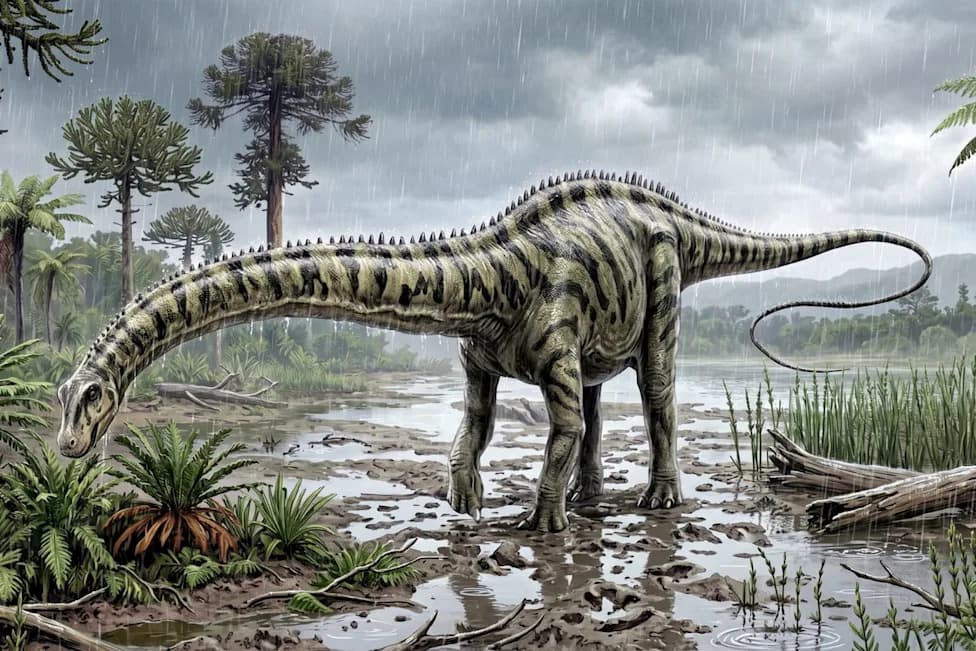
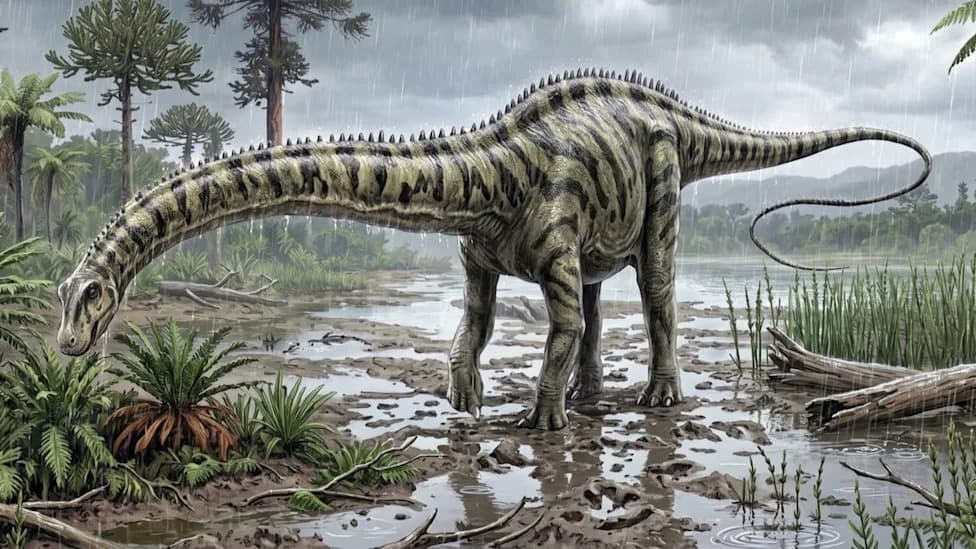
A previously unrecognised 240‑million‑year‑old dicynodont, Dinodontosaurus isiyavamanda, has been identified from fossils collected in Tanzania in the 1960s and stored at the Natural History Museum. The genus was previously known only from South America, so this East African record links distant fossil-bearing rocks and suggests South American specimens may be up to 10 million years younger. The discovery refines Triassic timelines and highlights the scientific value of museum collections and modern techniques like micro-CT scanning.
240-Million-Year-Old Dicynodont Rediscovered After 60 Years in Museum Drawer
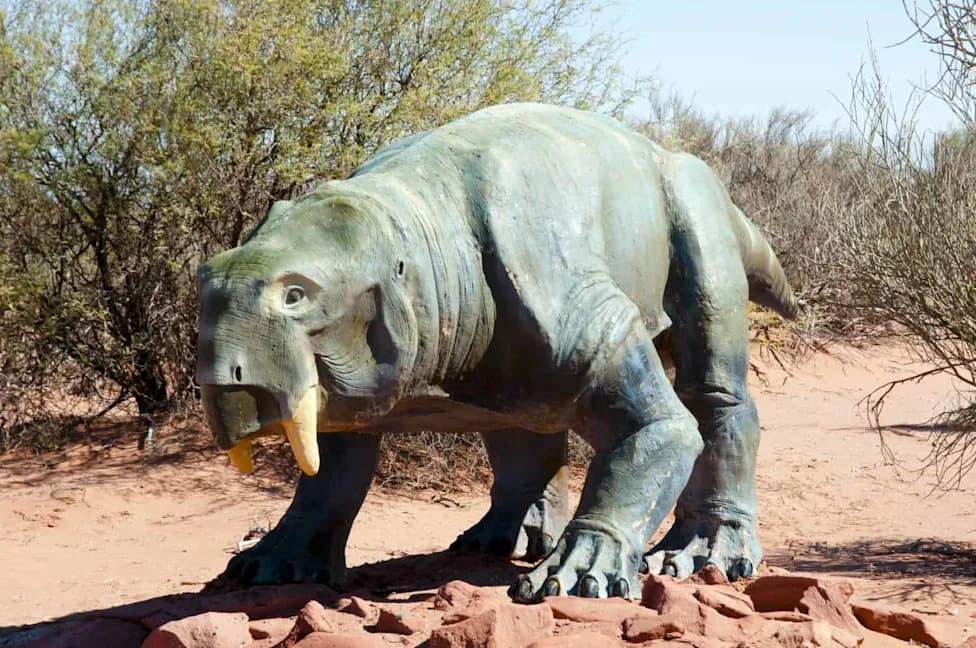
Dinodontosaurus Dinosaur Replica - Argentina© Adwo/Shutterstock.com
Museum collections continue to yield major scientific surprises. Fossils collected in Tanzania in the early 1960s and stored at the Natural History Museum in London have now revealed a previously unknown species: Dinodontosaurus isiyavamanda. The discovery refines our understanding of Triassic faunas and shows how revisiting archived material can rewrite paleontological timelines.
From Fieldwork to a Museum Drawer
A British expedition in the early 1960s collected an extensive assemblage of synapsid fossils—members of the proto-mammal lineage that lived alongside the earliest dinosaurs. Most of those specimens were catalogued and shelved, with only a handful studied at the time. Decades later, renewed study of the collection uncovered bones that had been overlooked for generations.
The newly discovered species came from a fossil deposit found in the 1960s in what is now Tanzania.©Nick Greaves/Shutterstock.com
Recognition of a New Species
Paleontologist Nigel Larkin first examined the specimen while completing his MSc at University College London in 1994 and suspected it represented a species new to science. Limited resources delayed a formal description, but later reanalysis by an international team confirmed the specimen as a new species and assigned it the name Dinodontosaurus isiyavamanda, honouring the land of the Wamanda people where the fossil originated.
“Our discovery marks the first confirmed record of the genus Dinodontosaurus outside South America,” said lead author Hady George. “The finding links the Tanzanian and South American fossil-bearing rocks, showing they are of equivalent age.”
Why This Matters
Until now, fossils of the genus Dinodontosaurus had been known only from South America. Finding the genus in East Africa indicates a wider geographic spread and suggests that some South American samples may be up to 10 million years younger than the Tanzanian material. That age difference requires reassessment of how geologists correlate Triassic rock units and refines estimates for the timing of early dinosaur-bearing faunas.
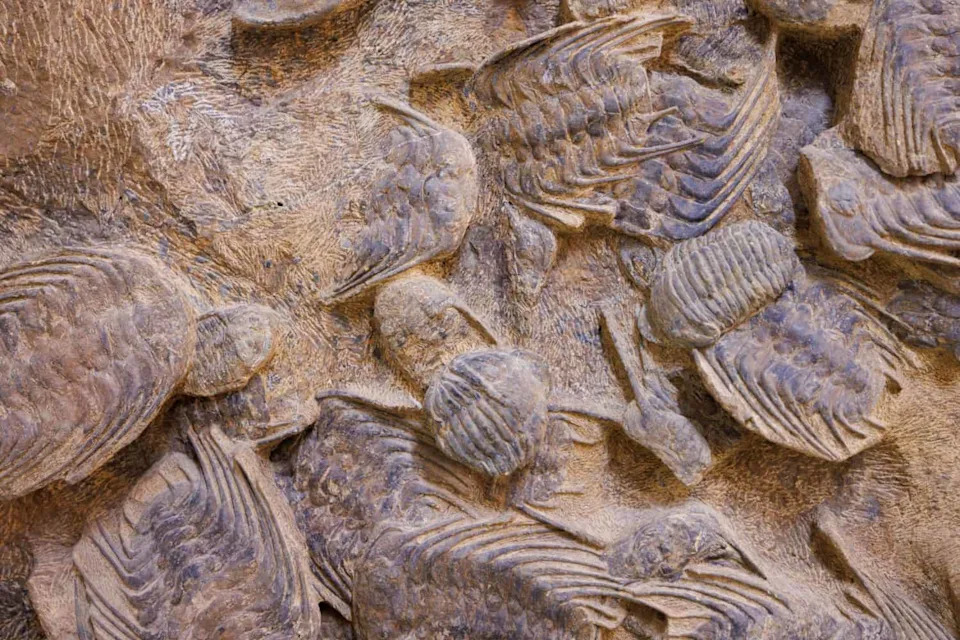
The researchers anticipate more discoveries hiding in theDinodontosaurusmaterial from Tanzania housed at the Museum of Natural History.©Hyserb/Shutterstock.com
New Tools, New Insights
Researchers also note that advances in technology and international collaboration have made this kind of reanalysis far more powerful than it would have been in the 1990s. As Nigel Larkin observed, modern micro-CT scanning and other techniques allow scientists to examine internal anatomy and subtle features that were previously inaccessible.
More Specimens to Study
A substantial portion of the Tanzanian Dinodontosaurus material in the Natural History Museum remains unstudied, including a postcranial skeleton. Curator Dr. Mike Day emphasised the value of museum collections: revisiting archived material can change our understanding of the past just as much as new field discoveries. The team plans further work on biomechanics, ecology, and the remaining fossils from the collection.
Help us improve.