Paleontologists excavating the Abu-Tartur plateau in Egypt recovered teeth from five shark species not previously recorded there, bringing the regional total to seven. The fossils come from phosphorite-rich layers of the Duwi Formation and date to the Cretaceous (about 145–66 million years ago). Varied tooth shapes—from serrated blades to long, fang-like crowns—indicate diverse diets and ecological roles among lamniform sharks. One Scapanorhynchus raphiodon specimen may be the youngest known occurrence of that species.
Ancient Shark Teeth Unearthed in Egypt’s Desert Reveal Diverse Cretaceous Predators
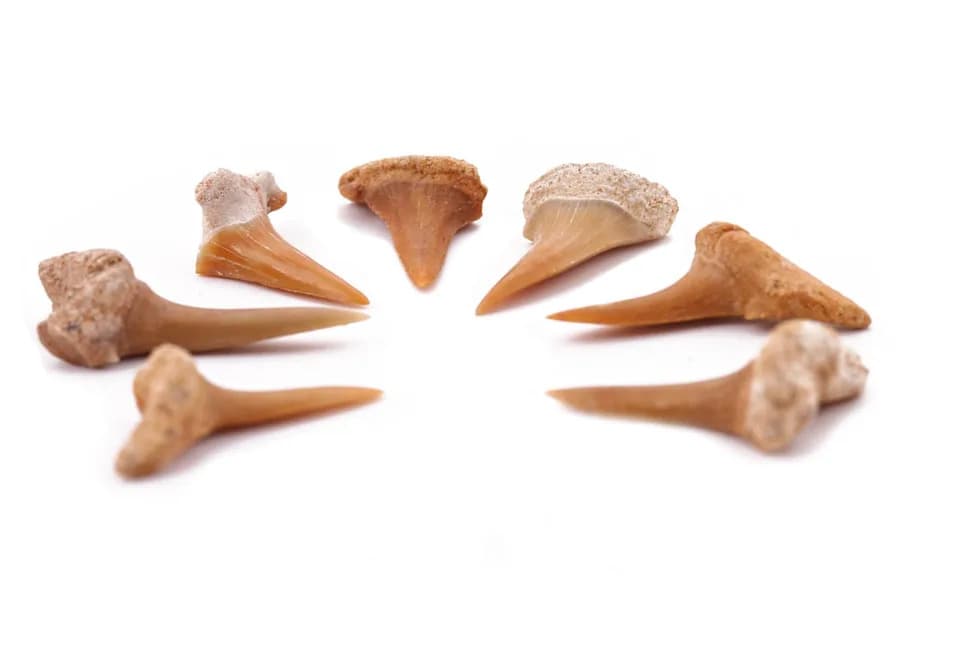
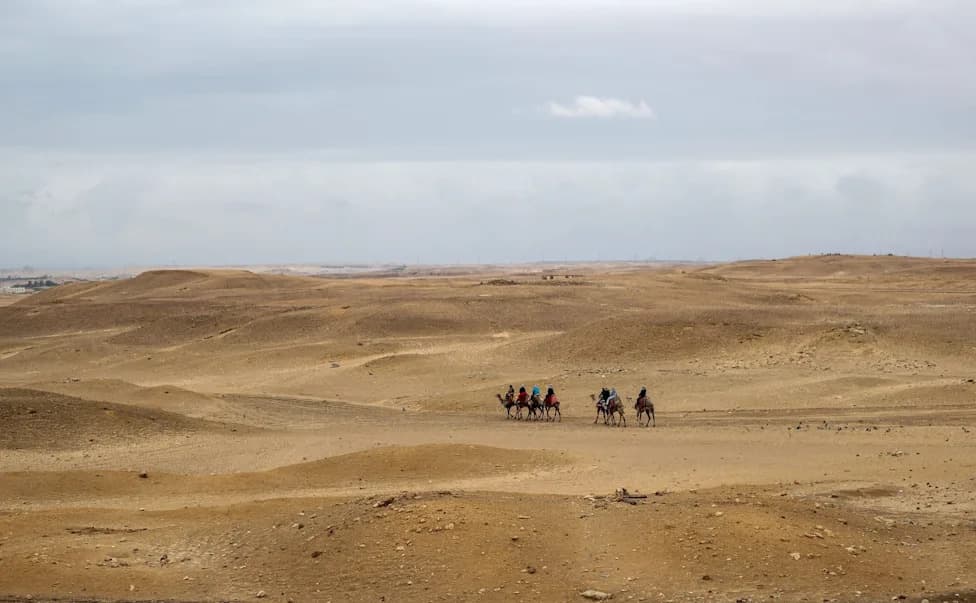
The Egyptian Desert Is an Ancient Shark Graveyardfeyyazalacam - Getty Images
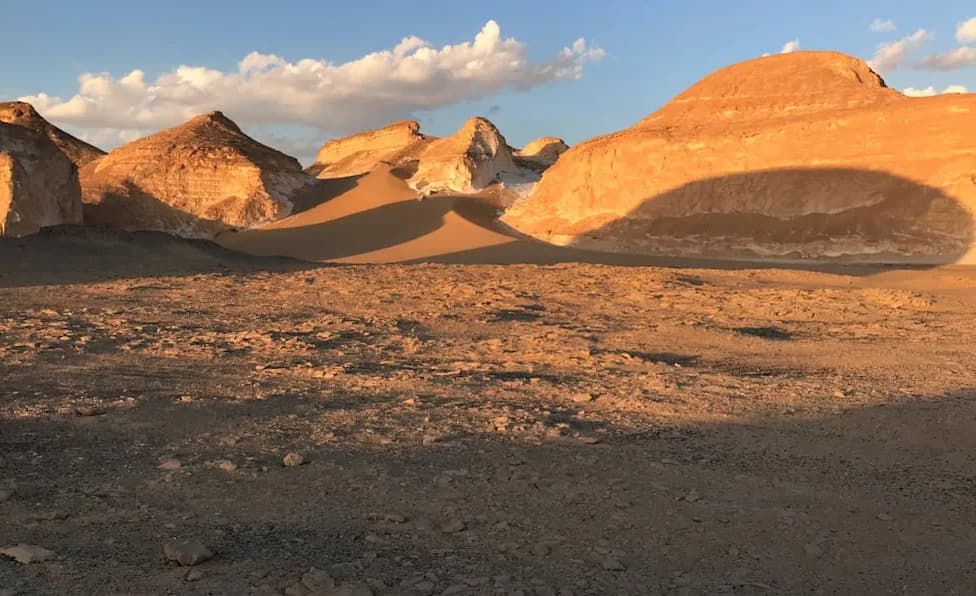
Paleontologists working on Egypt’s Abu-Tartur plateau have uncovered fossilized teeth from five shark species not previously recorded at the site, bringing the total number of Cretaceous-era sharks known from the region to seven. The discoveries come from phosphorite-rich layers of the Duwi Formation and provide a vivid snapshot of a once-tropical seafloor that covered much of northern Africa between about 145 and 66 million years ago.
A Rich, Fossil-Rich Seafloor
During the Cretaceous, northern Africa was submerged beneath warm seas. Repeated upwellings in the Duwi Formation concentrated phosphate minerals and supported intense primary productivity, producing abundant food for a complex marine ecosystem. As the seas retreated and the region turned to desert, many remains were preserved in the marine sediments that later became exposed on the plateau.
What the Teeth Reveal
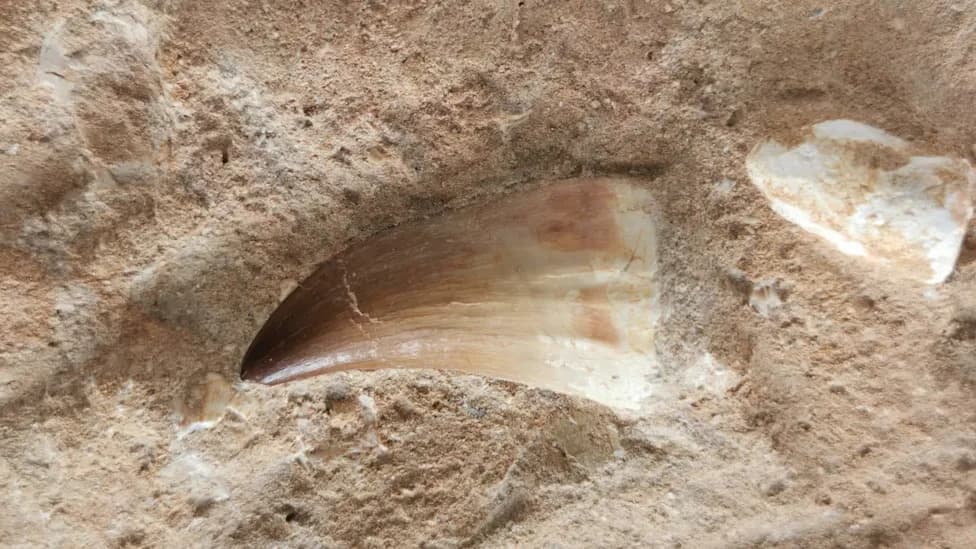
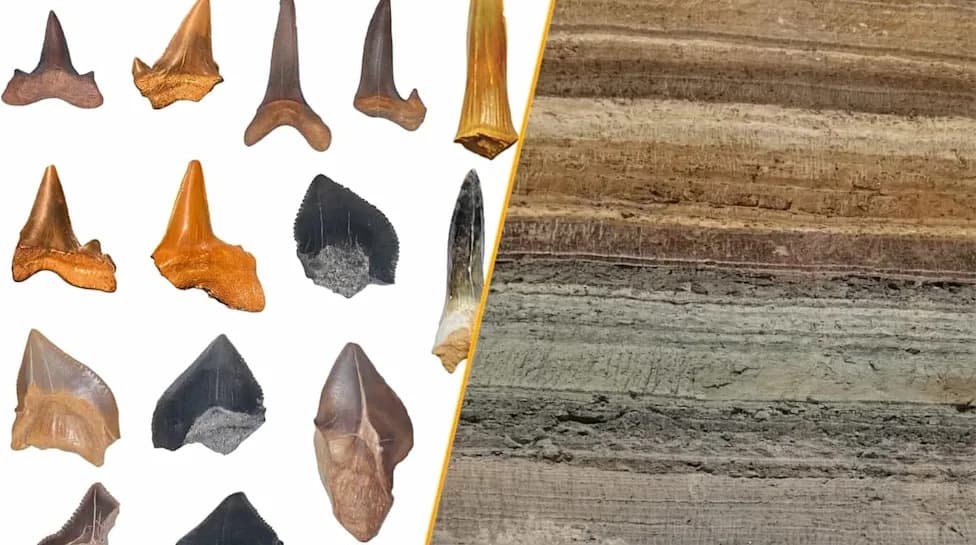
The team led by Tarek Yassin (Cairo University) reported the finds in Cretaceous Research. The recovered teeth display striking variety—short and broad to long and slender, smooth-edged to heavily serrated—indicating multiple feeding strategies and ecological niches among lamniform sharks (the group that includes modern mackerel sharks). Colors range from sandy yellow and brown to gray and black, a testament to differing burial and mineralization histories.
“[Phosphates drove] intense primary productivity that sustained a diverse trophic web,” the researchers note, citing evidence for small fishes and invertebrates at the base of the system, mid-level predators, larger apex predators, and even predatory marine reptiles in some areas.
Species Identified
In addition to the two species previously known from Abu-Tartur, Yassin and colleagues identified five more: Cretalamna maroccana, Scapanorhynchus raphiodon, Serratolamna serrata, Squalicorax bassanii, and Squalicorax pristodontus. Some notable details:
- Scapanorhynchus raphiodon — The specimen may represent the youngest known occurrence of this species in the fossil record and displays long, slender, fang-like crowns.
- Cretalamna maroccana — Curved teeth so similar to Cretalamna biauriculata that it might represent a morphological variant rather than a distinct species.
- Serratolamna serrata — Known from a wide geographic range; teeth show short, sharp crowns with asymmetric roots.
- Squalicorax bassanii and Squalicorax pristodontus — Serrated blades of varying degrees; some reduced serration likely reflects erosion over millions of years.
Site Context and Preservation
The Abu-Tartur plateau is an active phosphate-mining area that has produced one of Egypt’s most diverse assemblages of fossil shark teeth. Unfortunately, heavy machinery at the mine has fractured many specimens, but enough complete and diagnostic teeth remain to broaden our understanding of lamniform diversity and paleoecology in Late Cretaceous North Africa.
Why It Matters
These finds enrich the fossil record for North African marine ecosystems and illuminate how multiple shark species partitioned resources in productive, shallow tropical seas. They also offer new stratigraphic and chronological data that can help refine regional correlations and paleoenvironmental reconstructions for the Late Cretaceous.
Help us improve.