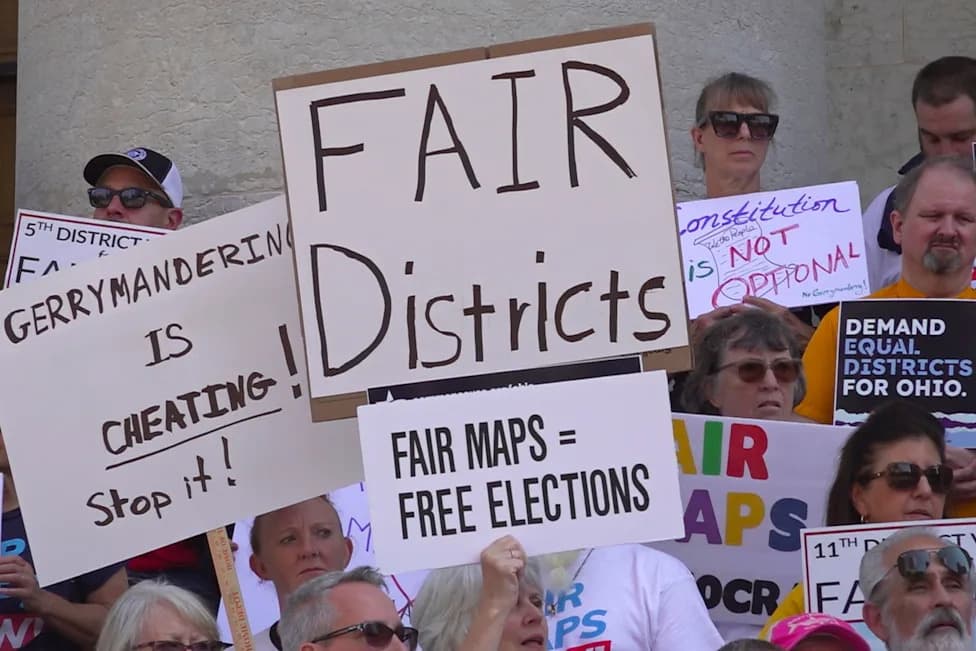
The mid-decade redistricting wave has redrawn congressional boundaries for millions and remains a live fight in multiple states. Republicans — encouraged by former President Trump — have enacted maps that could gain them seats, while Democrats see opportunities in new lines in California and Utah. Major legal battles over racial and partisan gerrymandering are playing out in Louisiana, Missouri, Florida, Tennessee and Alabama, and several states are racing to finalize maps before legislative deadlines.
Millions Shifted Into New Congressional Districts — Where Redistricting Stands Ahead Of The Midterms
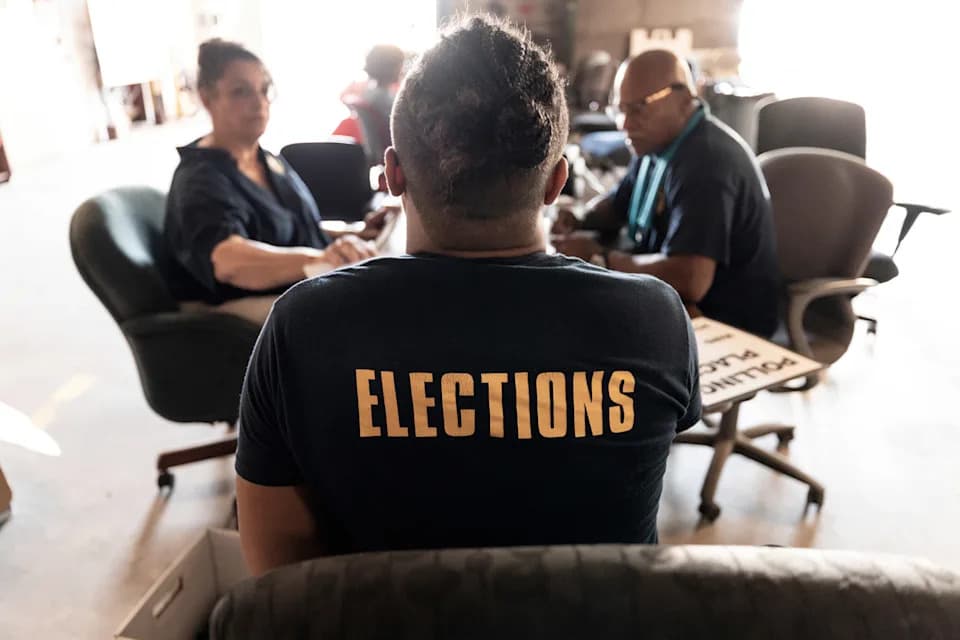
State election staff get voting machines ready on Thursday, May 14, 2026 for Saturday's election in New Orleans. /The Times-Picayune/The New Orleans Advocate via AP)(Chris Granger/The Times-Picayune/The New Orleans Advocate via AP)
A fast-moving mid-decade redistricting campaign has redrawn congressional maps for millions of Americans and remains an active, high-stakes fight ahead of November's midterm elections. Spurred in part by former President Donald Trump's call for new lines, Republican lawmakers in several states have enacted or proposed maps that could shift the balance in the U.S. House — while voting rights advocates and courts press back over claims of racial and partisan gerrymandering.
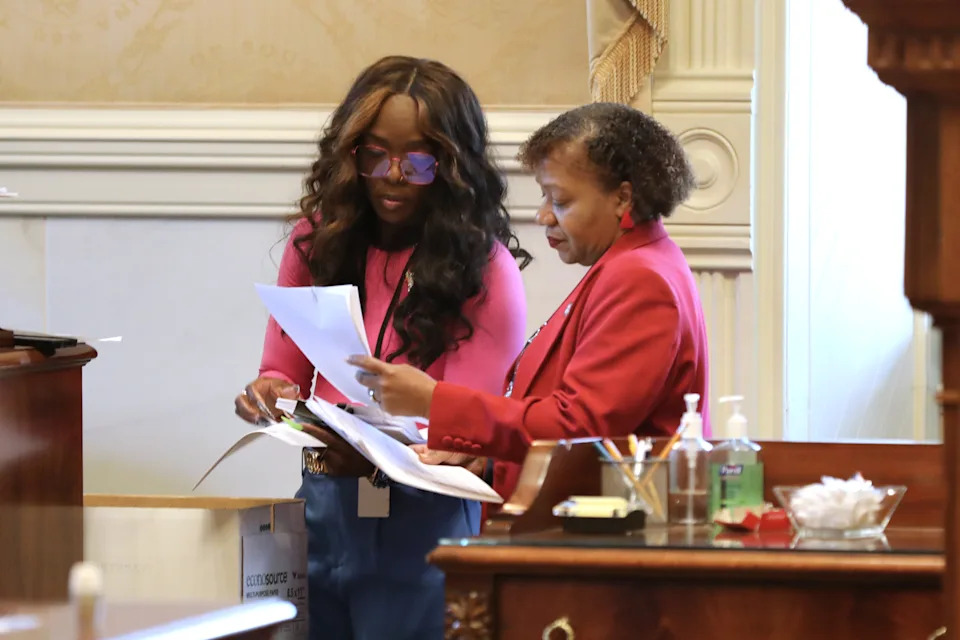
Democratic South Carolina Sen. Tameika Isaac Devine, left, reviews amendments before the Senate's redistricting session on Thursday, May 21, 2026, in Columbia, S.C. (AP Photo/Jeffrey Collins)(AP Photo/Jeffrey Collins)
Latest developments
Louisiana
In April, the U.S. Supreme Court struck down Louisiana's congressional map as an unlawful racial gerrymander. The map had reduced two majority-Black districts currently held by Democrats. In response, Republican Gov. Jeff Landry postponed the state's May 16 congressional primary to allow time for redrawing maps. The state House and Senate have passed different proposals, and lawmakers are racing to reach agreement before the legislative session ends June 1.
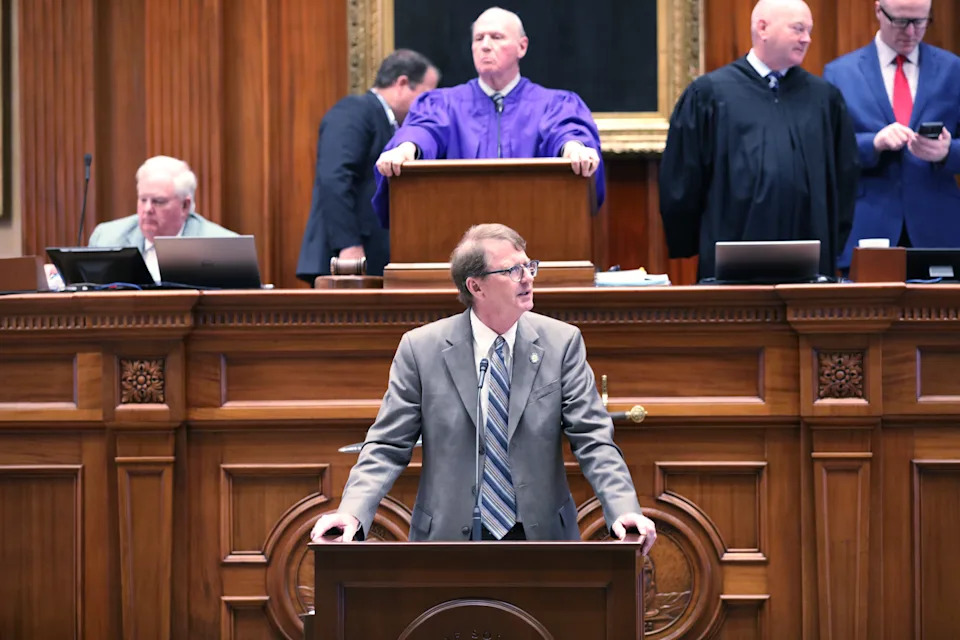
Republican South Carolina Sen. Richard Cash speaks during a session on redistricting on Tuesday, May 26, 2026, in Columbia, S.C. (AP Photo/Jeffrey Collins)(AP Photo/Jeffrey Collins)
Missouri
The Missouri Supreme Court rejected two legal challenges to a new U.S. House map that reshapes a Kansas City-based Democratic district, improving Republican odds there. A third challenge will be argued in court over whether the governor had valid reasons to call a special redistricting session.
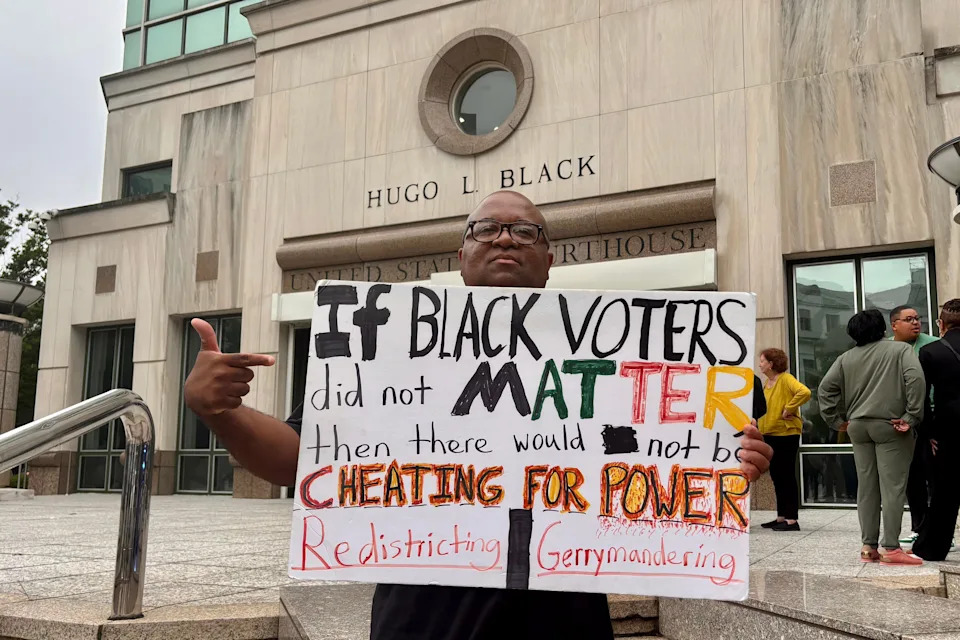
Travis Jackson stands outside the federal courthouse on Friday, May 22, 2026, in Birmingham, Ala. after a court hearing related to redistricting litigation. (AP Photo/Kim Chandler)(AP Photo/Kim Chandler)
South Carolina
As early in-person voting began for the June 9 primaries, the Republican-led state Senate halted efforts to redraw congressional districts this year. The House had passed a plan that would have targeted the state's only Democratic-held district, but senators cited timing concerns and the risk that changes could unintentionally add Democratic voters to Republican-held districts.
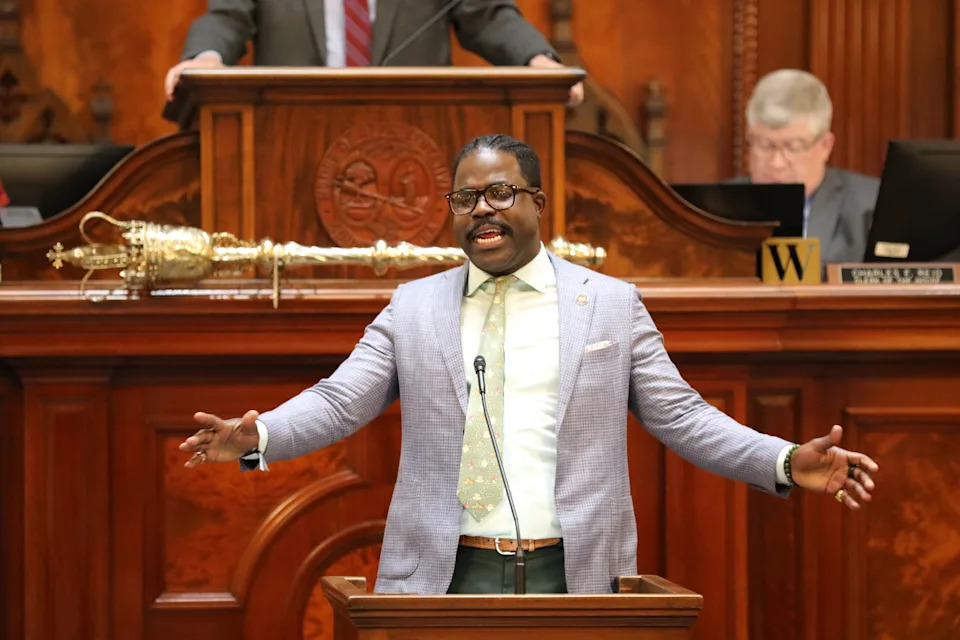
Democratic South Carolina Rep. JA Moore speaks during the redistricting debate on Tuesday. May 19, 2026, in Columbia, S.C. (AP Photo/Jeffrey Collins)(AP Photo/Jeffrey Collins)
Florida
Voting rights groups sued to block Florida's new congressional map, arguing it violates a state ban on intentional partisan gerrymandering. A state judge declined to issue a preliminary injunction, finding the plaintiffs had not shown they were likely to prevail. Plaintiffs immediately signaled plans to appeal to higher courts, including the state Supreme Court if necessary.
Tennessee
A federal court declined to issue a temporary restraining order in a lawsuit challenging Tennessee's new U.S. House map as racially discriminatory. The Republican-drawn plan splits a majority-Black district in Memphis, increasing Republican chances of winning the state's lone Democratic-held seat. Multiple legal challenges to the map are pending.
Alabama And Other States
Alabama Republicans are appealing a court ruling that blocked a map they support. Meanwhile, Republican-drawn maps in North Carolina, Ohio and other states remain the subject of ongoing litigation and political debate.
National Stakes
Republican strategists estimate mid-decade redistricting could net as many as 14 House seats for their party. Democrats counter that they could pick up roughly six seats, largely tied to new maps in California and Utah. The overall effort is part legal battle, part legislative maneuvering — and part political strategy aimed at preserving control of a narrowly divided House despite historical challenges for the president's party in midterm elections.
Bottom line: Redistricting will continue to shape the 2024 midterms, with courts, state legislatures and voting rights groups all playing decisive roles in which maps are used this fall.
Help us improve.